
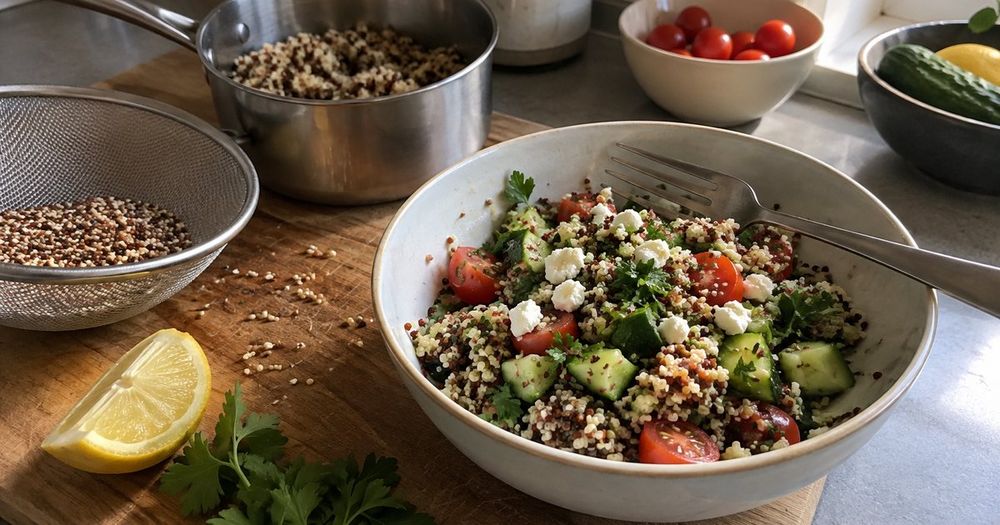
Quinoa cooks in about 15 minutes and works in place of rice in salads, tabbouleh and stuffings. Here is what it actually offers, using USDA figures, plus the truth about "complete protein", whether it is safe for coeliac disease, and how to rinse, cook and store it.
In short: One cup of cooked quinoa (185 g) has about 222 kcal, 8 g protein, 5 g fibre and roughly a quarter to a third of an adult's daily magnesium (USDA). Its protein contains all nine essential amino acids, but the amount per serving is moderate. Quinoa is naturally gluten-free, and a small study found 50 g a day was well tolerated by 19 people with coeliac disease, but cross-contact is possible, so choose packs labelled gluten-free. It is still a starch, so watch portions if you have diabetes.
What is quinoa?
Quinoa is the seed of a South American plant, often called a pseudo-cereal because it is not related to wheat or barley but is cooked like a grain. Harvard's Nutrition Source notes more than 120 known varieties; white, red and black are the most common. The seed is naturally coated in bitter saponins, which are usually removed during processing.
Quinoa nutrition in numbers
Nutrient | Per 100 g cooked | Per cup cooked (185 g) |
|---|---|---|
Calories | ≈120 | 222 |
Protein | ≈4.4 g | 8.1 g |
Carbohydrate | ≈21.3 g | 39.4 g |
Fibre | ≈2.8 g | 5.2 g |
Fat | ≈1.9 g | 3.6 g |
Sugars | ≈0.9 g | 1.6 g |
Magnesium | ≈64 mg | 118 mg |
Iron | ≈1.5 mg | 2.8 mg |
Folate | ≈42 µg | 78 µg |
Potassium | ≈172 mg | 318 mg |
Adults need 310–420 mg of magnesium a day, 8 mg (men) or 18 mg (women before menopause) of iron, and 400 µg of folate (NIH). Quinoa's iron is non-haem, so pair it with vitamin C foods such as lemon, tomato or peppers.
Is quinoa a complete protein?
Yes: Harvard notes quinoa contains all nine essential amino acids, unlike some plant proteins. But "complete" does not mean "high": a cup has about 8 g protein for 222 kcal. Treat it as a better starch and add a protein source such as lentils, chickpeas, chicken, fish, eggs or yoghurt.
Quinoa and coeliac disease
- A 2014 study (Am J Gastroenterol) gave 19 treated coeliac patients 50 g quinoa daily for 6 weeks; blood tests and gut biopsies did not worsen. It was small and uncontrolled, and longer studies are needed.
- A 2012 lab study of 15 varieties found most had no meaningful coeliac-toxic epitopes, but two (Ayacuchana and Pasankalla) triggered immune responses in coeliac cells in vitro.
The bigger practical risk is cross-contact during milling and packing, so people with coeliac disease should choose packs labelled gluten-free. See our guide: Gluten-free labels and coeliac safety.
Note: If you have coeliac disease and react to quinoa, see your gastroenterologist or dietitian and check the product source. If you are new to high-fibre foods, increase portions gradually with enough water.
Rinsing, colours and cooking
- Rinse: packaged quinoa is usually pre-rinsed, but rinsing in a fine sieve under cool water removes any remaining saponins (Harvard).
- Colours: white is softest and quickest; red holds its shape for salads; black is the crunchiest; tricolour is a good all-rounder. The differences are mainly texture.
- Cook: 1 part quinoa to 2 parts water or low-salt stock; boil, cover and simmer about 15 minutes, rest 5 minutes and fluff. One cup dry gives about 3 cups cooked.
Tip: Cook a three-day batch, cool it quickly in shallow containers, and use it in salads and bowls through the week.
Diabetes and portions
A cooked cup has about 39 g carbohydrate (USDA). The WHO (2023) recommends carbohydrates come mainly from whole grains, vegetables, fruit and pulses, with at least 25 g fibre a day. With diabetes, count quinoa as the starch on your plate (about a quarter) rather than adding it on top of rice or bread. Compare other whole grains in our healthy bread guide.
How to choose and store
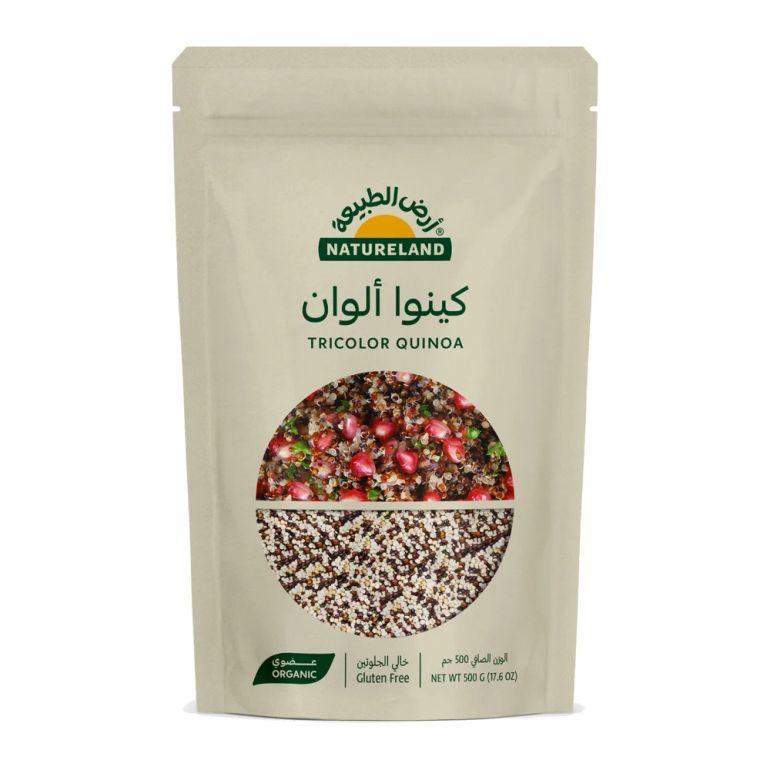
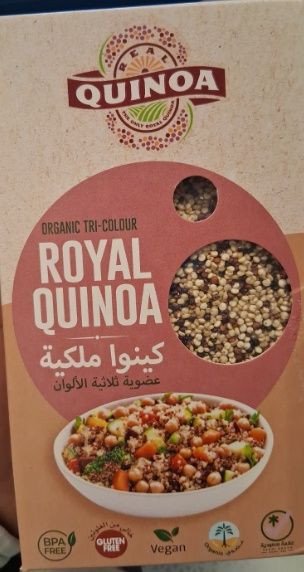
- Everyday rice swap: white or tricolour, such as Natureland organic tricolour quinoa or Wholesome royal mixed quinoa.
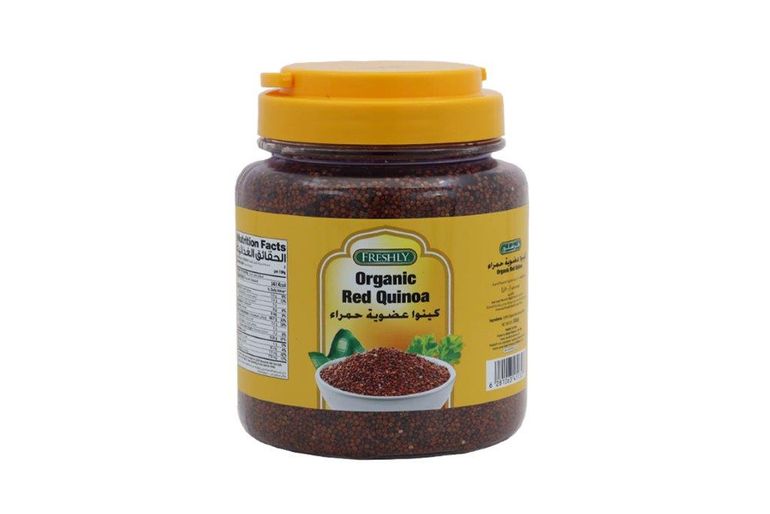
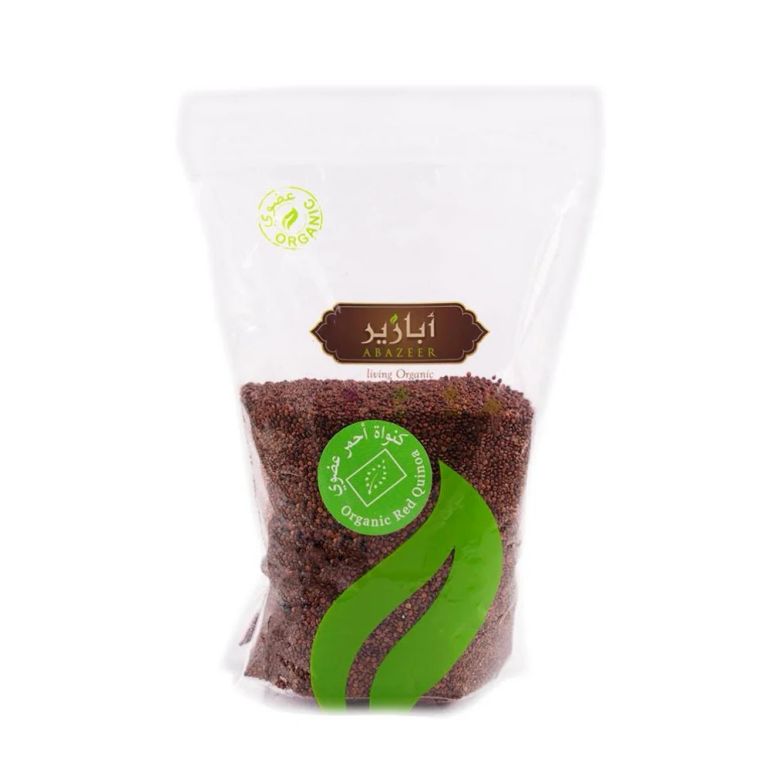
- Salads: red quinoa, such as Freshly organic red quinoa.
- Quinoa snacks and mixes often contain rice, salt or sugar, so compare labels.
- Store dry quinoa sealed in a cool, dry place. Refrigerate cooked quinoa within 2 hours and use within 3–4 days (USDA FSIS), or freeze it.
Browse the rice, grains and seeds section at Green Spot.
FAQs
Is quinoa better than rice?
Compared with white rice it has more protein and fibre and a complete amino-acid profile, but calories are similar for the same volume. The benefit comes from swapping it for refined rice, not adding it on top.
How much quinoa per meal?
For most adults, half to one cup cooked, about a quarter of the plate alongside vegetables and protein. People with diabetes should count it within their carbohydrate plan.
Does quinoa help with weight loss?
No single food causes weight loss. Its fibre and protein can help fullness within a balanced diet; weight depends on total intake and activity.
Is quinoa suitable for children?
Well-cooked quinoa suits most children as part of a varied diet. For babies, follow your paediatrician's weaning advice and do not rely on it as the only iron source.
References
- USDA FoodData Central — Quinoa, cooked (FDC 168917)
- Harvard T.H. Chan School of Public Health, The Nutrition Source — Quinoa (updated 2024)
- Zevallos VF et al. Gastrointestinal effects of eating quinoa in celiac patients. Am J Gastroenterol 2014;109(2):270–8. doi:10.1038/ajg.2013.431
- Zevallos VF et al. Variable activation of immune response by quinoa prolamins in celiac disease. Am J Clin Nutr 2012;96(2):337–44. doi:10.3945/ajcn.111.030684
- NIH Office of Dietary Supplements — Magnesium fact sheet
- NIH Office of Dietary Supplements — Iron fact sheet
- NIH Office of Dietary Supplements — Folate fact sheet
- WHO — Carbohydrate intake for adults and children: WHO guideline (2023)
- USDA FSIS — Leftovers and Food Safety
This article is for general education and does not replace advice from your doctor.