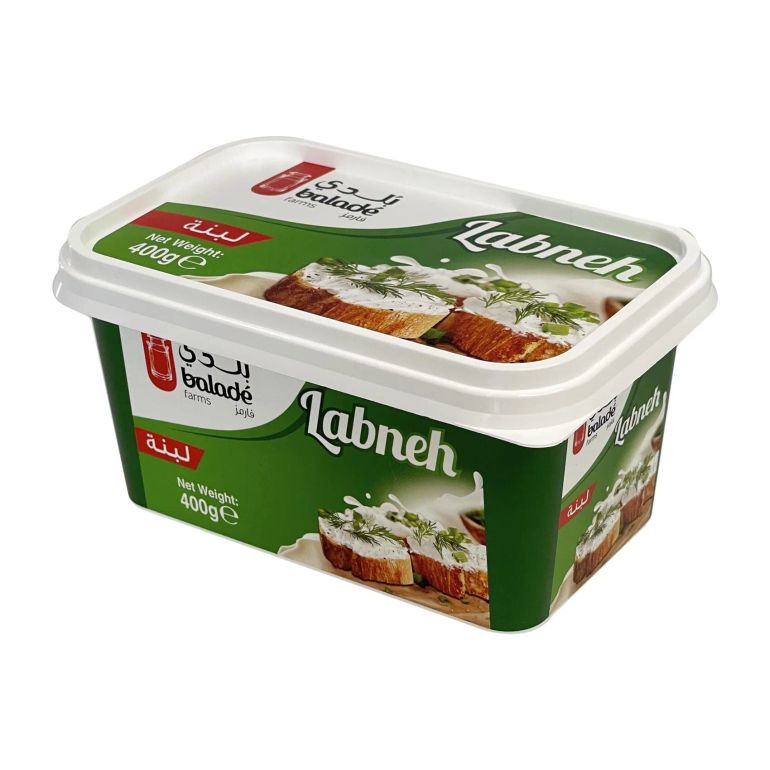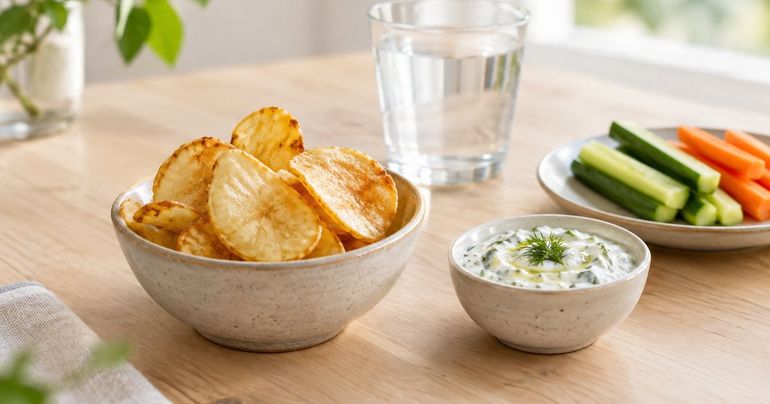

In short: Labneh is strained yoghurt: much of the watery whey is removed, so it is thicker, higher in protein and fat per 100 g, and lower in lactose than milk. Nutrition varies a lot between products: fat ranges from about 6 to 20 g per 100 g, and sodium is usually 200–300 mg. A sensible portion is two tablespoons (about 30–40 g); compare labels for fat and salt. If you make it at home, start with pasteurised yoghurt and strain it in the fridge, and keep labneh balls in oil refrigerated.
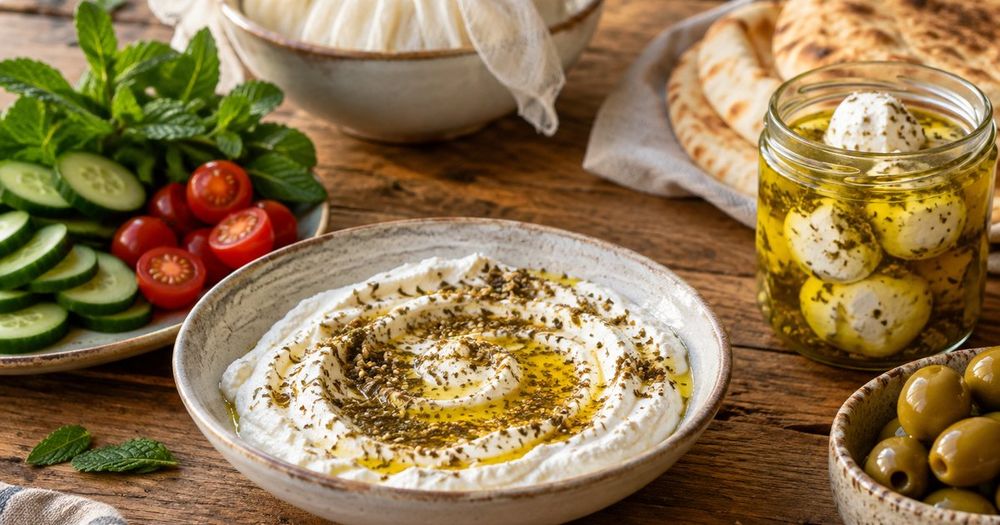
Labneh is a breakfast staple: with olive oil and za'atar, in a quick sandwich, or next to cucumber and tomato. On the shelf you'll find full-fat, low-fat, Greek, Turkish and Lebanese styles, lactose-free labneh and labneh balls in oil. This guide explains what each means, what the nutrition really looks like, who it suits, and how to make and store it safely.
What labneh is
Labneh is made by straining yoghurt through cloth or a fine sieve for hours until the whey drains and a thick curd remains; strained long enough, it can be rolled into balls. Greek yoghurt is similar but strained for less time. Straining concentrates protein and fat, while a large part of the lactose, some calcium, potassium and water-soluble B vitamins leave with the whey.
Nutrition: the label decides
Per 100 g (approx.) | Low-fat | Full-fat |
|---|---|---|
Calories | 110–130 | 200–250 |
Fat | 5–7 g | 15–20 g |
Protein | 8–10 g | 5–9 g |
Sodium | 250–300 mg | 200–300 mg |
Most of labneh's fat is saturated, and the WHO advises keeping saturated fat under 10% of daily energy. Salt adds up fast with olives, cheese and bread; the WHO recommends adults eat less than 5 g of salt a day.
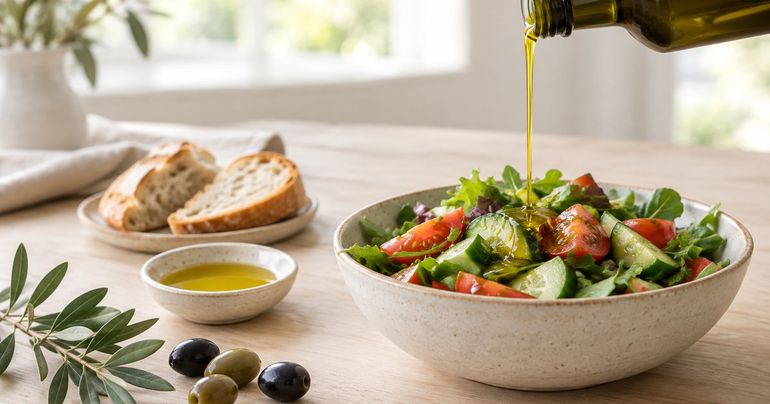
Tip: Make labneh part of the plate, not all of it: two spoons with a drizzle of olive oil, cucumber, tomato and mint, and wholegrain bread or oats.
Types on the shelf
- Full-fat: richer and creamier, more calories.
- Low-fat: fewer calories, similar or higher protein.
- Greek, Turkish, Lebanese: differ in thickness, tang and salt; the label matters more than the name.
- Lactose-free: lactase enzyme breaks down milk sugar.
- Labneh balls in oil: more calories from the oil; drain the excess.
- Plant-based: made from nuts or legumes, with very different protein and calcium.
Lactose intolerance and live cultures
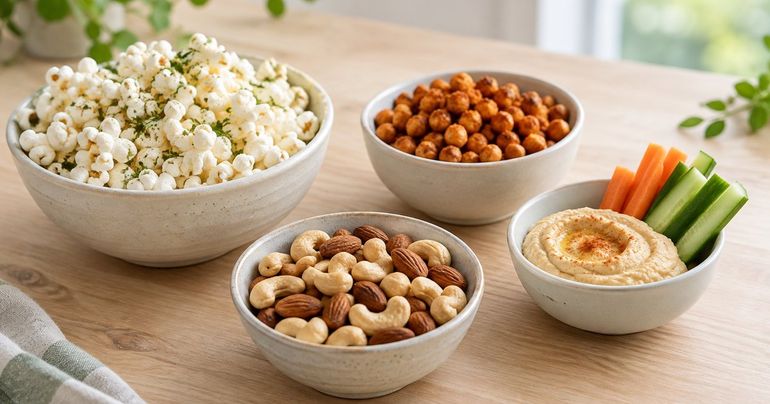
Fermentation and straining both lower lactose, and in a small older study people with lactose intolerance had symptoms after milk but not after the same amount of yoghurt. Start with a spoon or two; choose lactose-free labneh if symptoms are strong. Milk-protein allergy is different: dairy labneh is unsuitable. Labneh may contain live cultures if not heat-treated after fermentation; look for "live cultures" on the label. See our fermented foods guide and our protein snacks guide; two or three spoons of labneh give only about 3–4 g of protein.
Making it at home safely
- Use plain pasteurised yoghurt (1 kg gives roughly 400–500 g labneh).
- Add up to half a teaspoon of salt, or none.
- Strain in clean cloth or a fine sieve, covered, in the fridge for 12–24 hours.
- Store in a clean closed container in the fridge and eat within a few days.
Storage and safety
- Keep at 4°C or below; don't leave out more than two hours.
- Use a clean, dry spoon; discard the whole tub if mould appears.
- Foods preserved in oil have been linked to botulism, especially home-made ones: keep labneh balls refrigerated and discard bulging or off-smelling jars.
Note: Pregnant women, older adults and people with weak immunity should avoid labneh made from unpasteurised milk because of Listeria. Babies over 6 months can have pasteurised full-fat dairy, but give salted labneh only in very small amounts or choose unsalted, as babies' kidneys can't handle much salt. People with high blood pressure or kidney disease should compare sodium and ask their doctor.
FAQ
Is labneh good for weight loss?
Low-fat labneh in small portions can fit a weight-loss diet, but no food "burns" weight.
How long does it keep after opening?
Follow the pack; usually a few days to a week in the fridge, tightly closed.
References
- Alm L. Effect of fermentation on lactose, glucose, and galactose content in milk. J Dairy Sci. 1982;65(3):346-352.
- WHO. Sodium reduction.
- WHO. Healthy diet.
- UKHSA. Botulism (Clostridium botulinum).
- CDC. Preventing Listeria infection.
- NHS. Foods to avoid giving babies and young children.
- Arla Foods. Is Greek yoghurt lactose-free?
This article is for general education and does not replace medical or dietetic advice.