
"Brown", "multigrain" or the Saudi term "burr" on a loaf does not always mean whole grain. A genuinely wholegrain bread lists a whole grain flour first, has more fibre and not too much salt. This guide explains whole wheat, burr, rye and spelt, what the research says, and how to read a bread label in thirty seconds.
In short: A whole grain keeps the bran, germ and endosperm; white flour loses most of the bran and germ. Observational studies link about 90 g of whole grains a day with lower risk of heart disease and death (Aune 2016), but this is association, not proof. When shopping, check the first ingredient, aim for a carbohydrate-to-fibre ratio of 10:1 or less, and watch the salt. People with coeliac disease must avoid wheat, rye, barley and spelt.
What does "whole grain" mean?
A grain kernel has three parts: the fibre-rich bran, the germ with healthy fats, B vitamins and minerals, and the starchy endosperm. White flour is mostly endosperm, while whole grain flour keeps all three parts in their natural proportions (Harvard Nutrition Source). Colour alone is not a guide: some breads are brown because of molasses, caramel or a little added bran.
Whole wheat, burr, rye and spelt
On the pack | Usually means | Whole grain? |
|---|---|---|
Whole wheat / whole grain | Flour milled from the entire wheat kernel | Yes, if listed first |
Burr | Local name for wheat, used for brown bread | Not always; check ingredients |
Rye | A different grain with a stronger taste and denser crumb | Only if it says whole rye |
Spelt | An ancient type of wheat | Yes, if whole grain or wholemeal |
Multigrain | More than one type of grain | Not necessarily; may all be refined |
Wheat flour / stone-ground | Often refined flour or just a milling method | No, unless it says whole |
The US FDA's guidance on whole grain labelling notes that terms such as multigrain, stone-ground, 100% wheat, seven-grain and bran do not usually indicate a whole grain product. Rye bread can also be mostly white wheat flour with a little rye, and rye contains gluten (Coeliac UK).
What the research says
A meta-analysis of 45 prospective studies (Aune, BMJ 2016) found that 90 g of whole grains a day was associated with about 19% lower risk of coronary heart disease, 22% lower risk of cardiovascular disease and 17% lower all-cause mortality. A WHO-commissioned review (Reynolds, Lancet 2019) found similar results for fibre and whole grains, with the clearest benefit at 25–29 g of fibre a day. These are observational findings, so whole grains are best seen as part of a healthy eating pattern rather than a treatment.
Tip: Start small. Switch your breakfast bread first, then swap pasta or rice for a whole grain option once a week.
How to read a bread label
- First ingredient: whole wheat or whole grain flour is a good base. "Wheat flour", "high-protein flour" or "white flour" first means the bread is mostly refined.
- The 10:1 rule: divide total carbohydrate by fibre. Mozaffarian and colleagues (2013) compared five methods across 545 grain products and found a ratio of 10:1 or less best identified products with more fibre and less sugar and sodium.
- Salt: NHS labels treat more than 1.5 g salt per 100 g as high and 0.3 g or less as low. Multiply sodium by 2.5 to get salt.
- Added sugar: some brown breads are sweetened with honey, molasses or malt syrup.
Product | First ingredient | Carbs / fibre | Ratio |
|---|---|---|---|
Zaadana Whole Wheat Toast (per slice) | Whole wheat flour | 13.4 / 2 | 6.7:1 |
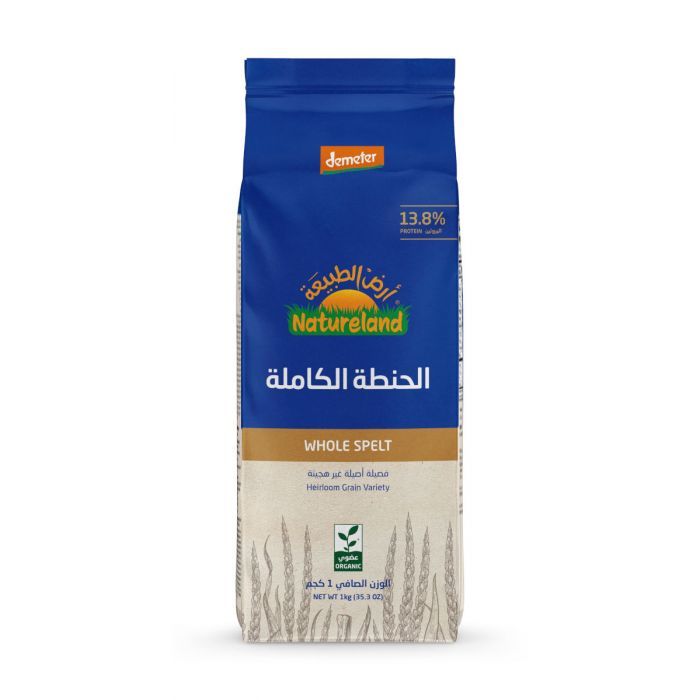
Natureland Whole Spelt grain (per 100 g) | Whole spelt | 68.1 / 10.6 | 6.4:1 |
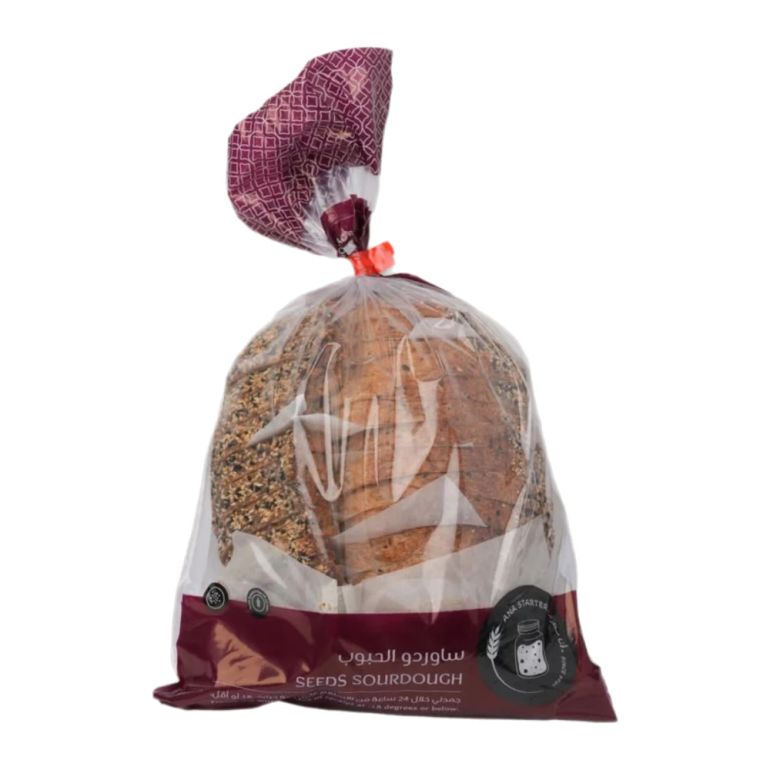
Ana Starter Whole Wheat & Rye Sourdough (per 54 g) | High-protein flour | 21.2 / 1.6 | 13.3:1 |
Zaadana Whole Wheat Toast and Natureland Whole Spelt come in under 10:1. The Ana Starter whole wheat and rye sourdough lists high-protein flour first, so it is a blended loaf rather than fully whole grain, although it has no added sugar and little fat.
Note: Wheat, rye, barley and spelt all contain gluten, so they are not suitable for coeliac disease or wheat allergy. If you have IBS or are not used to fibre, increase it gradually and drink water.
Sourdough and multigrain
Sourdough is a fermentation method, not a flour; read more in Sourdough bread: what it is and is it healthier?. Multigrain loaves may be white dough with seeds. The Ana Starter multigrain sourdough page does not yet list ingredients, so check the pack.
Choosing and storing
- For daily breakfast, pick bread with whole grain flour first and a ratio of 10:1 or less.
- Whole grain bread is still a starchy food; portion size matters, especially with diabetes, so ask your doctor or dietitian.
- The NHS advises not giving under-2s only wholegrain starchy foods, as fibre can fill small stomachs quickly.
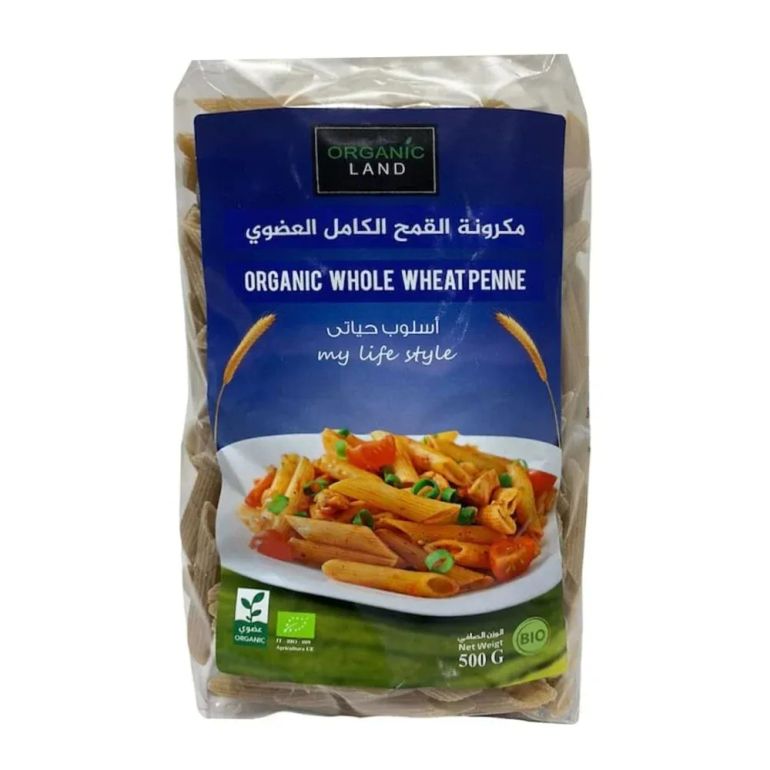
- Swap other grains too, such as Organic Land whole wheat penne (whole wheat flour and water).
- Whole grain flour goes rancid faster because of the oils in the germ; keep it airtight and cool. Keep frozen loaves in the freezer and toast slices from frozen. Discard mouldy bread.
Browse pasta, bakery and baking supplies at Green Spot, and on a gluten-free diet see our guide Gluten-free: how to make sure a product is safe for coeliac disease.
FAQ
Is burr bread the same as whole wheat bread?
Not always. Check the first ingredient: whole wheat flour means a whole grain loaf.
Is rye better than whole wheat?
Both are good when whole. The main differences are taste and texture.
How much whole grain do I need?
Studies link benefits with about 90 g a day (around three servings), and WHO advises getting carbohydrates mainly from whole grains, vegetables, fruit and pulses.
Is whole grain bread safe for coeliac disease?
No. Choose products labelled gluten-free.
References
- Harvard T.H. Chan School of Public Health. Whole Grains. nutritionsource.hsph.harvard.edu
- Aune D, et al. BMJ 2016;353:i2716. doi:10.1136/bmj.i2716
- Reynolds A, et al. Lancet 2019;393:434–445. doi:10.1016/S0140-6736(18)31809-9
- Mozaffarian RS, et al. Public Health Nutr 2013;16(12):2255–2264. PubMed 23286205
- U.S. FDA. Draft Guidance: Whole Grain Label Statements (2006). fda.gov
- Harvard Health Publishing. Whole grains or no grains? Food labels can be misleading (2020). health.harvard.edu
- NHS. Food labels. nhs.uk
- Coeliac UK. The gluten-free diet. coeliac.org.uk
- NHS. Young children and food: common questions. nhs.uk
- WHO. Carbohydrate intake for adults and children (2023). who.int
This article is for general education and does not replace advice from your doctor.