
In short: Acai is a palm fruit from the Amazon, sold frozen or as a powder because it spoils quickly. Unsweetened acai pulp is light: about 80 kcal, 5 g fat, 3 g fibre and 0 g sugar per 100 g for the unsweetened Sambazon version. But the US National Center for Complementary and Integrative Health (NCCIH) says human research is very limited, and there is no reliable evidence that it helps weight loss or treats anything. An acai bowl can be a good breakfast or a sugar-heavy dessert, and the toppings make the difference.
The purple acai bowl has become a café and social-media favourite, often labelled a "superfood". Here we look at what acai actually contains, what research says about its benefits without hype, and how to make a bowl at home that stays light.
What is acai?
Acai (Euterpe oleracea) is a small dark fruit from a palm tree native to tropical Central and South America, especially Brazil. It has a large seed and little pulp and spoils fast after harvest, so it reaches us as frozen pulp packs, freeze-dried powder, ready-to-scoop sorbet or blended drinks.
Nutrition per 100 g
Form | What it contains | What to watch |
|---|---|---|
Unsweetened frozen pulp pack (100 g) | About 80 kcal, 5 g fat (1 g saturated), 6 g carbohydrate including 3 g fibre, 0 g sugar, 1 g protein | Very little protein; the tart, earthy taste tempts people to add sugar |
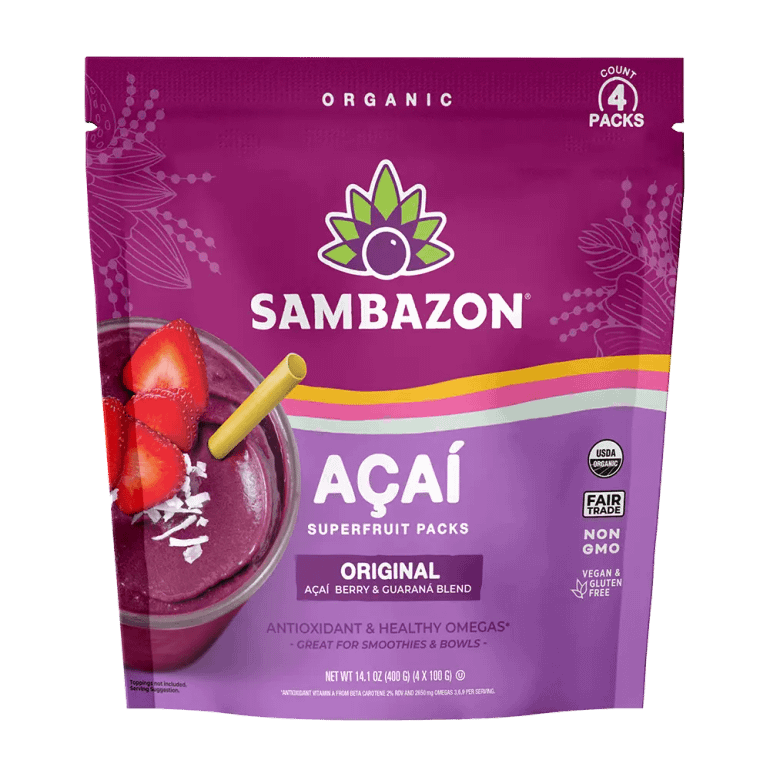
Original blend with guaraná packs (100 g) | About 92 kcal, 3.4 g fat, 13.4 g carbohydrate including about 13 g added sugar, 2.6 g fibre, and a little caffeine (about 5 mg) from guaraná | Added sugar of roughly 3 teaspoons per pack; do not add honey or juice on top |
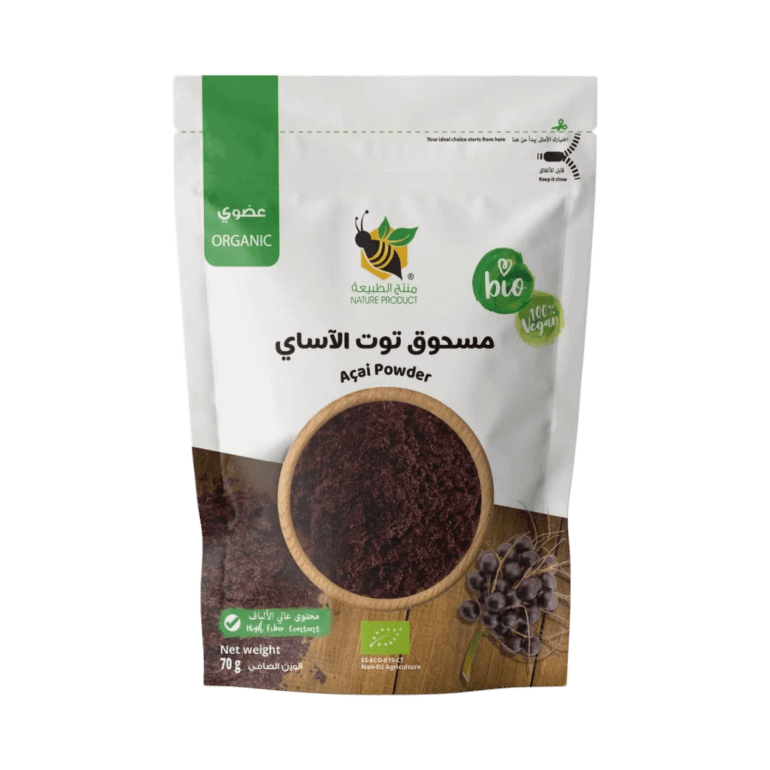
Freeze-dried powder | Concentrated acai without water; a teaspoon goes into a smoothie | Check the serving size on the pack |
Acai sorbet | Acai plus other ingredients for texture and taste | Often contains added sugar or juice; compare sugar per 100 g |
Blended acai drink | Acai with fruit, milk and juice | Example: the acai drink made at the Green Spot Health Bar (355 ml) has 120 kcal and 12 g sugar per its product page, mostly from fruit and juice |
Tip: For a filling breakfast, start with unsweetened packs or powder and add your own protein and sweetness, rather than buying a sweetened ready mix.
What does research say?
NCCIH (updated November 2024) says very little research has been done in people and there is not enough reliable information to say acai helps any health purpose. Lab studies show antioxidant and anti-inflammatory activity, and some small studies found improved antioxidant markers in blood. A 2011 pilot study gave 10 overweight adults 100 g of acai pulp twice a day for a month; fasting glucose, insulin and total cholesterol fell compared with baseline, while blood pressure and inflammation did not change. It had no control group, so it cannot show that acai caused the changes. Memorial Sloan Kettering notes acai has antioxidant effects but has not been shown to treat or prevent cancer, and human data on heart health are lacking.
Beware of acai weight-loss pills
In January 2012 the US Federal Trade Commission settled with six marketers who used fake news websites to sell acai weight-loss supplements, falsely claiming media coverage and dramatic weight loss. A capsule promising quick weight loss is advertising, not science.
Who should be careful?
Note: Raw, unpasteurised acai juice in the Amazon has been linked to outbreaks of Chagas disease, a parasitic infection. A 2019 study in the CDC journal Emerging Infectious Diseases found the same strain in the juice and in patients' blood, and the authors suggested requiring pasteurisation. WHO notes that foodborne transmission typically causes outbreaks.
- Buy commercial frozen products and powders from known sources and read how they are processed.
- Acai may affect MRI results of the digestive tract (NCCIH); tell your doctor before an abdominal MRI.
- It may interfere with blood sugar control in people on diabetes medicines (NCCIH); ask your doctor before concentrated supplements.
- Little is known about concentrated acai supplements in pregnancy and breastfeeding.
- In theory acai may interact with some chemotherapy drugs (MSK).
How to make a healthier acai bowl
The problem is usually the toppings: sweetened sorbet, juice for blending, sweet granola, honey and large spoons of nut butter. WHO recommends keeping free sugars under 10% of daily energy, ideally under 5% (about 25 g for an adult); honey and juice count as free sugars.
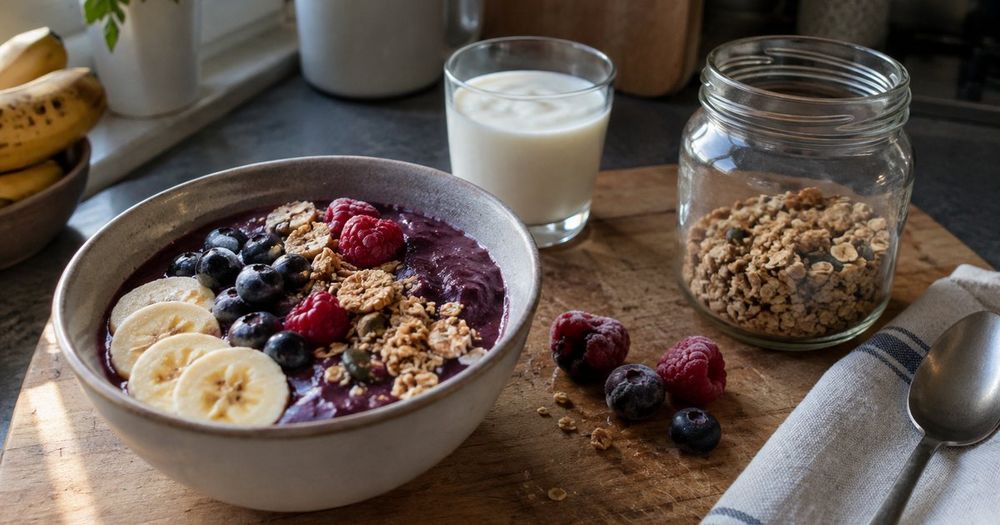
- Break one unsweetened 100 g acai pack while frozen.
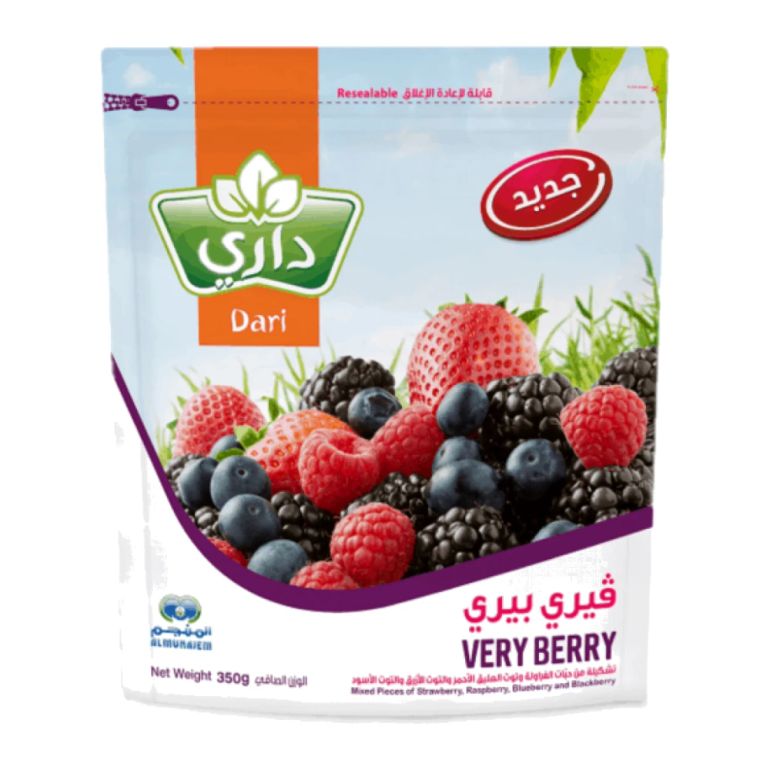
- Add half a frozen banana and a handful of frozen mixed berries for sweetness and texture.
- Add only 3–4 tablespoons of milk, unsweetened soy drink or water. See our plant milk comparison.
- Blend on low, stirring, until it looks like soft ice cream.
- Top with plain Greek yoghurt or a scoop of protein, fresh fruit, two tablespoons of granola (see our granola guide) and a spoon of nuts or seeds.
Choosing an acai product
- For bowls: frozen packs are easiest. We currently stock Sambazon frozen acai packs 4×100 g, which, per published product data, are the Original blend with guaraná and added sugar; check the label and blend with unsweetened frozen berries instead of honey or juice.
- For smoothies and yoghurt: freeze-dried organic acai powder with no added sugar.
- For sweetness: frozen mixed berries, and more in our frozen foods section.
- On the label: acai first, "unsweetened" or "no added sugar", and compare sugar per 100 g.
Storage
Keep packs and sorbet frozen until use and do not refreeze a thawed pack; use it the same day. Keep powder tightly closed in a cool, dry place.
Frequently asked questions
Does acai help weight loss?
There is no evidence it does. NCCIH says no recent peer-reviewed human studies support this claim.
How many calories are in an acai bowl?
Unsweetened pulp is about 80 kcal per 100 g; the full bowl depends on toppings, which can easily double it.
Is acai suitable for children?
Yes, as fruit in a balanced bowl with few sweet toppings. For under-4s, cut small fruit and avoid whole nuts because of choking risk.
Is acai powder better than frozen packs?
Not necessarily. Powder is easier to store; packs give a better bowl texture. Choose either without added sugar.
References
- NCCIH (2024). Acai: Usefulness and Safety.
- Memorial Sloan Kettering Cancer Center (2025). Acai Berry — Integrative Medicine.
- Udani JK et al. (2011). Nutrition Journal 10:45. doi:10.1186/1475-2891-10-45. Effects of Açai berry preparation on metabolic parameters in a healthy overweight population: a pilot study.
- Santana RAG et al. (2019). Emerging Infectious Diseases 25(1). doi:10.3201/eid2501.180646. Oral Transmission of Trypanosoma cruzi, Brazilian Amazon.
- WHO (2026). Chagas disease (American trypanosomiasis) — fact sheet.
- U.S. FTC (2012). FTC permanently stops six operators using fake news sites to sell acai berry products.
- WHO (2015). Guideline: Sugars intake for adults and children.
- Open Food Facts. Sambazon Unsweetened Açaí Superfruit Packs — nutrition per 100 g.
- Open Food Facts. Sambazon Original Açaí & Guaraná Blend Packs — nutrition per 100 g.
This article is for general education and does not replace advice from a doctor.