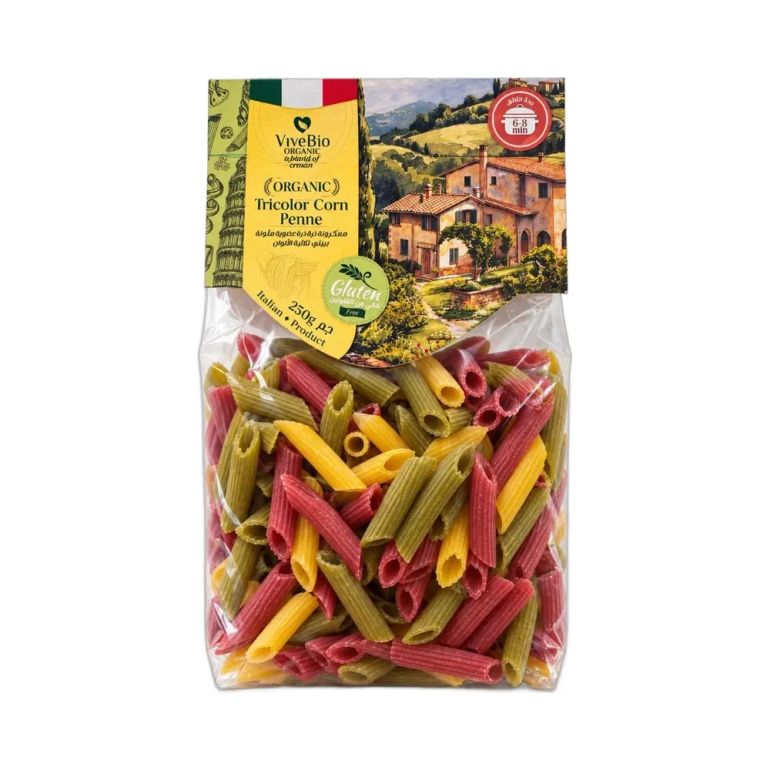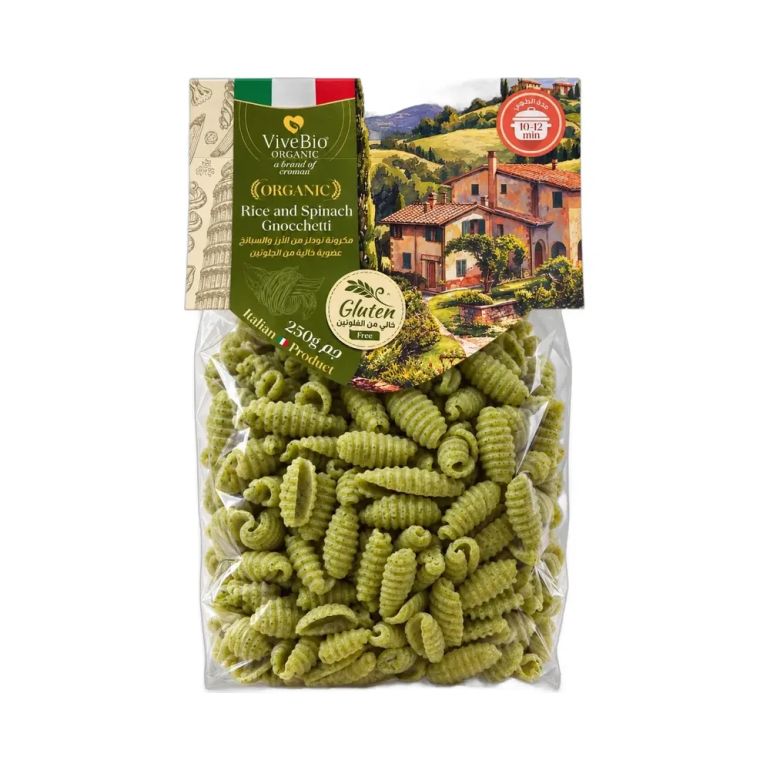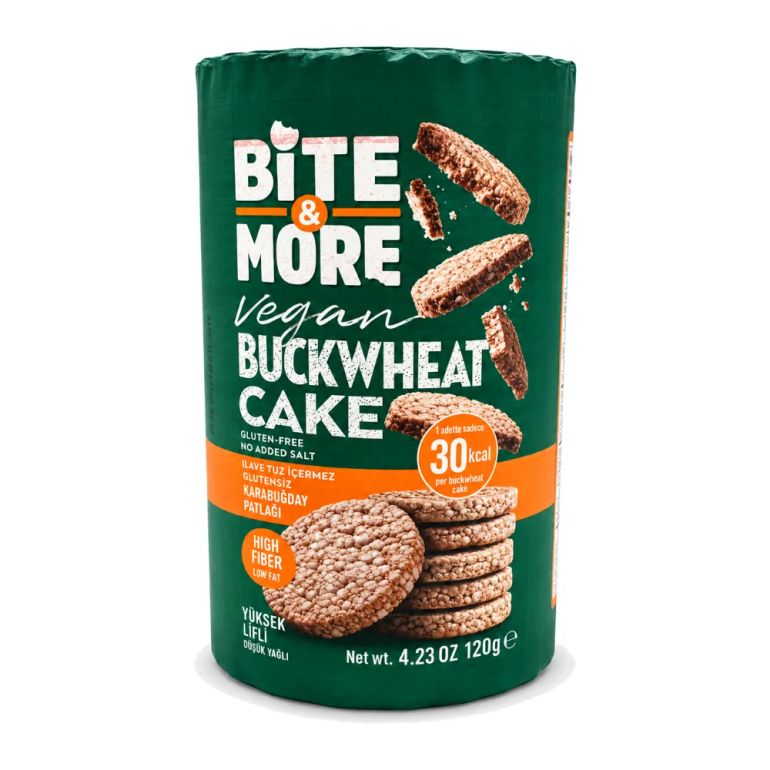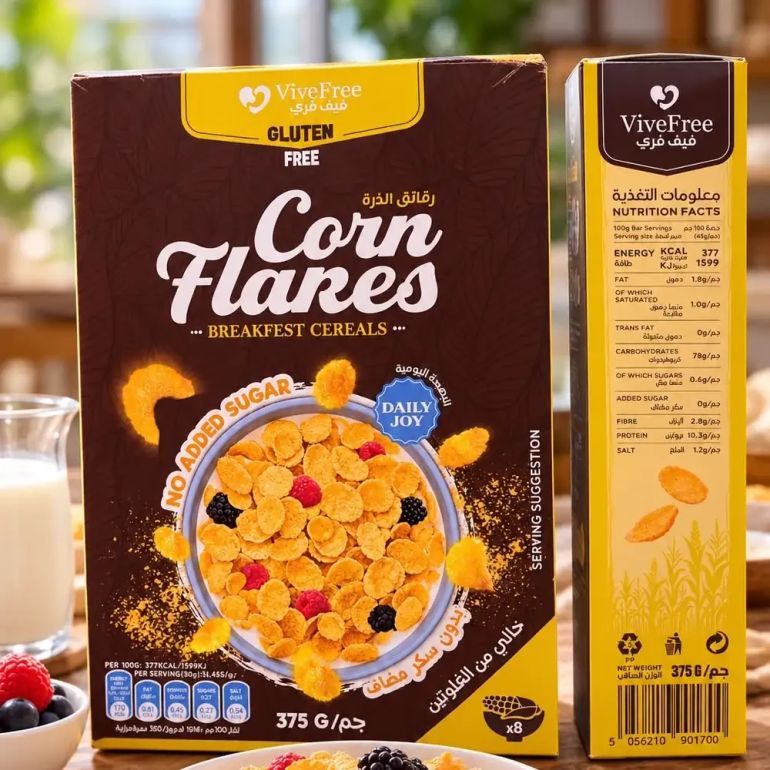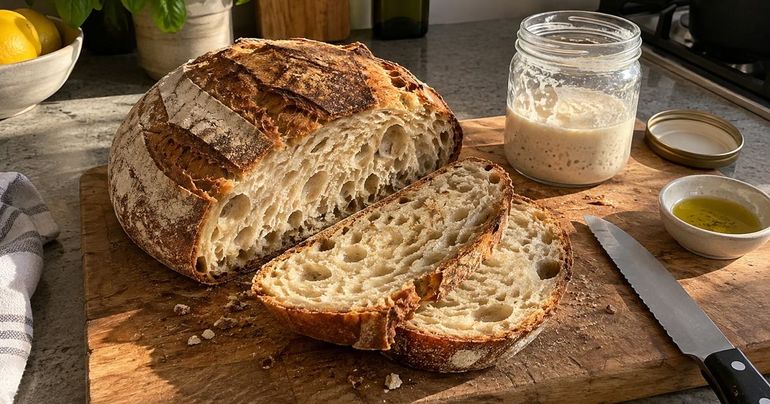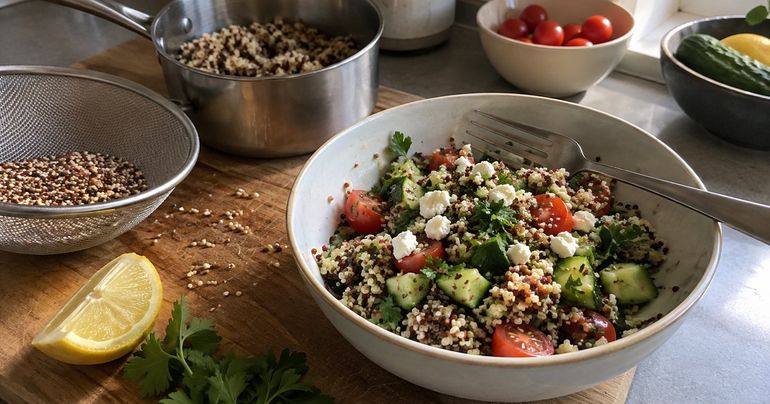

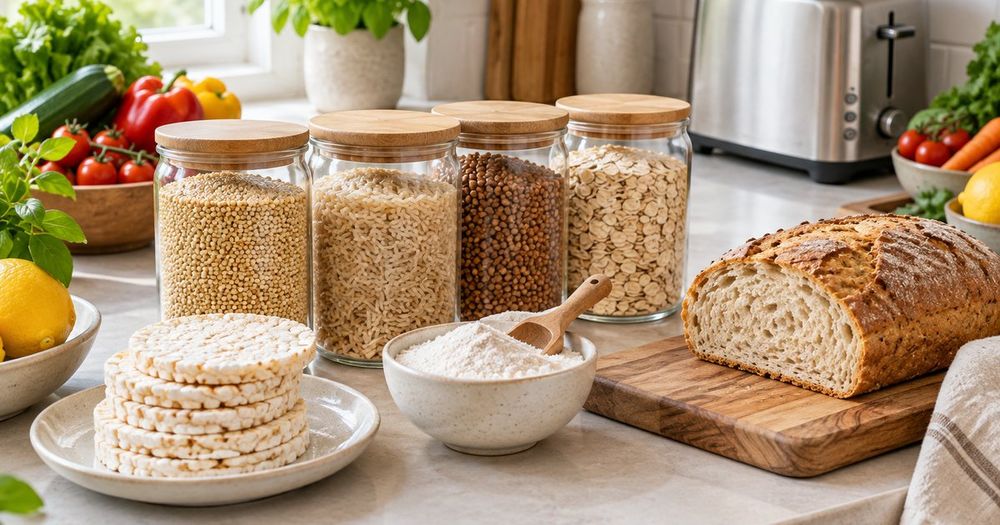
In short: Under international standards (Codex, the US FDA and the EU), "gluten-free" on a label means the product contains less than 20 parts per million of gluten, a level most people with coeliac disease tolerate. But the label isn't the whole story: cross-contact in factories and kitchens, hidden gluten in barley, malt, soy sauce and some starches, and uncertified oats are common pitfalls. Read the full ingredient list every time, prefer certified products, and don't start a gluten-free diet before testing if you suspect coeliac disease.
Gluten-free bread, pasta, biscuits and flour are now everywhere. For people with coeliac disease they are treatment, not a trend, because a lifelong gluten-free diet is the only proven therapy. This guide explains what the label means, where gluten hides, how to limit cross-contact at home, and how to build a safe shopping basket.
Coeliac disease, wheat allergy or non-coeliac gluten sensitivity?
- Coeliac disease: an autoimmune condition in which gluten from wheat, barley and rye damages the small intestine, even in small amounts and even without symptoms.
- Wheat allergy: an allergic reaction to wheat proteins that can be severe.
- Non-coeliac gluten sensitivity: symptoms after wheat without coeliac or allergy markers; causes are still being researched.
Note: If you suspect coeliac disease, don't cut out gluten before testing. NIDDK notes that doctors don't recommend starting a gluten-free diet before diagnostic tests, because it can affect the results. See your doctor first.
What "gluten-free" means
The Codex standard (CXS 118-1979) defines gluten-free food as containing no more than 20 mg/kg (20 ppm). The FDA adopted the same limit in 2013 and the EU applies it in Regulation 828/2014, which also allows "very low gluten" up to 100 ppm, which is not the same as gluten-free. In Saudi Arabia, the SFDA applies the Gulf technical regulation for gluten-free foods and has warned about products labelled gluten-free that exceeded the limit; in 2026 GCC states notified the WTO of draft rules stating the 20 mg/kg limit explicitly.
"May contain traces of wheat"
This is a voluntary warning about possible cross-contact. It doesn't mean the product is contaminated, or that it is safe. Coeliac groups generally advise avoiding such products unless they are also labelled gluten-free.
Hidden gluten
On the label | Gluten? |
|---|---|
Wheat, barley, rye, spelt, kamut, bulgur, semolina, freekeh | Yes |
Malt, barley extract, brewer's yeast | Usually yes |
Regular soy sauce | Usually yes; choose gluten-free tamari |
Seitan | Yes, it is wheat gluten |
Wheat starch, modified wheat starch | May contain, unless labelled gluten-free |
Regular oats | Often contaminated |
Rice, corn, quinoa, millet, buckwheat, potatoes, pulses | Naturally no, but watch processing |
Also check stock cubes, sauces, spice blends, sausages, coated snacks and flavoured crisps. Some supplements and medicines use wheat starch as a filler; ask your pharmacist.
Oats and cross-contact
According to Coeliac UK, most people with coeliac disease tolerate oats labelled gluten-free, though a small number react to avenin. "Pure" or "organic" doesn't mean gluten-free. Avoid scooped bulk bins, and at home keep a separate toaster, colander, butter and jam.
Tip: In a mixed household, store gluten-free foods on a shelf above wheat products, cook the gluten-free meal first, and clean shared surfaces and tools well.
Is gluten-free healthier?
Not necessarily. Many gluten-free breads and biscuits are lower in fibre and protein, sometimes higher in sugar and fat, and often not fortified. There's no strong evidence that cutting gluten helps people without a medical reason. Build the diet on naturally gluten-free foods such as brown rice, quinoa, buckwheat, pulses, vegetables and fruit; see our soluble fibre guide and, on miso and soy sauce, our fermented foods guide.
Shopping list
Category | Options | Check |
|---|---|---|
Grains | Rice, quinoa, buckwheat, millet, corn, potatoes | Sealed packs, ideally labelled gluten-free |
Bakery and snacks | Rice cakes, bread and pasta labelled gluten-free | Sugar and fibre |
Flour | Rice, almond, chickpea flour, gluten-free bread mix | No "may contain" without a gluten-free claim |
Breakfast | Certified gluten-free oats and cereals | Malt or barley extract |
Sauces | Gluten-free tamari, olive oil, lemon, single spices | Regular soy sauce, spice blends |
Recipes change, so read every label every time, even for products you've bought before.
FAQ
Are rice and corn gluten-free?
Naturally yes, but processed products can be contaminated or contain added gluten.
Do I need the crossed-grain logo?
No; a gluten-free claim already means the limit is met. Certification adds extra assurance.
References
- Codex Alimentarius. CXS 118-1979, Foods for persons intolerant to gluten.
- U.S. FDA. Gluten-Free Labeling of Foods (Final Rule). 2013.
- European Commission. Implementing Regulation (EU) No 828/2014.
- SFDA. Warning on products labelled gluten-free (2019).
- NIDDK. Diagnosis of Celiac Disease.
- Coeliac UK. Oats.
- FoodNavigator. Gluten-free claims in the Middle East face tougher regulations. 2026.
This article is for general education and does not replace medical or dietetic advice.