
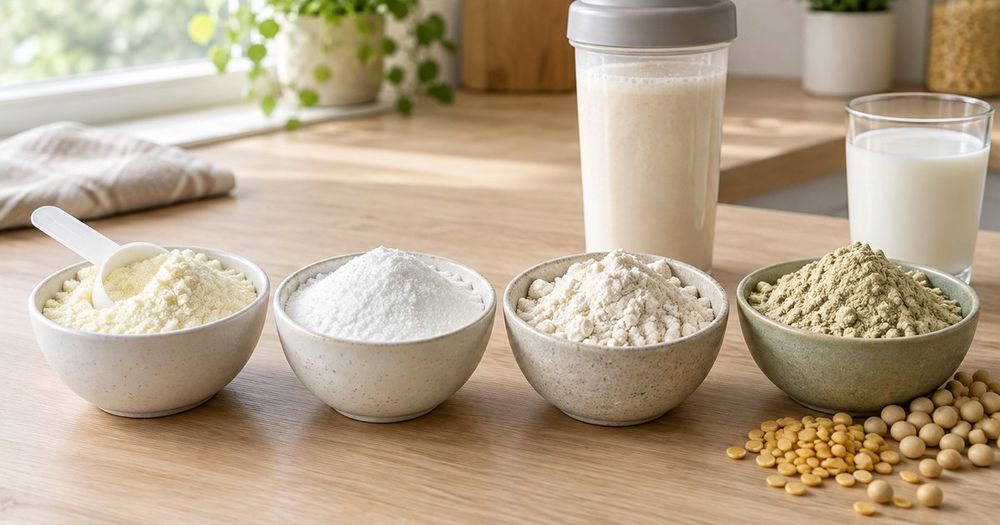
In short: Every common protein powder can support muscle growth if it helps you reach your daily protein target. Whey is fast-digesting and rich in leucine; isolate is a purer whey with less lactose and fat; casein digests slowly and suits the hours before sleep; plant protein (soy or pea) works well for vegans and people avoiding dairy, with a slightly larger serving. Before buying in a sale, compare the price per gram of protein, not the price of the tub.
During White Friday, shelves fill with protein tubs in every size, flavour and price, each claiming to be the best. The real question is not "which tub has the biggest discount?" but "which type of protein fits my goal, my stomach and my budget?". This guide explains whey, isolate, casein, plant and beef protein, what the research says about each, and a simple way to compare tubs by cost per serving and cost per gram of protein.
First: how much protein do you need?
Powder supplements food; it does not replace it. The International Society of Sports Nutrition (ISSN) suggests about 1.4–2 g of protein per kg of body weight per day for people who train regularly, spread across meals at roughly 20–40 g each. A large meta-analysis in the British Journal of Sports Medicine found that extra protein stopped adding muscle mass at around 1.6 g/kg/day for most people doing resistance training.
The types at a glance
Type | Digestion | Suits | Note |
|---|---|---|---|
Whey concentrate | Fast | Most people, post-workout | A little more lactose and fat; often cheaper |
Whey isolate | Fast | Mild lactose sensitivity, calorie counting | Higher protein percentage, usually pricier |
Hydrolyzed whey | Very fast | Those who want quick mixing | No strong evidence it builds more muscle than isolate |
Casein | Slow | Before bed or long gaps between meals | Thicker texture, good for puddings |
Plant (soy, pea, rice) | Moderate | Vegans, dairy-free diets | Less leucine, so use a slightly bigger serving |
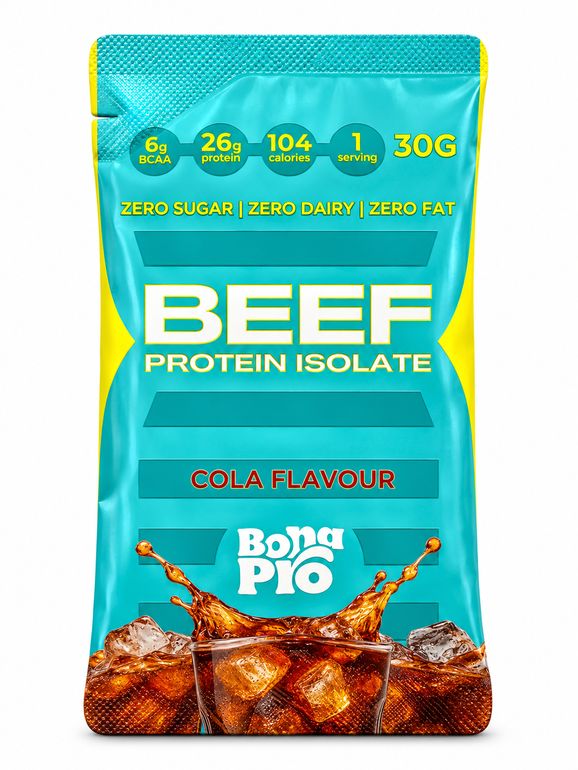
Beef protein | Moderate | Dairy-free eaters who dislike plant protein | Less research; quality varies by source |
Whey and isolate
Whey is the liquid left over from cheese making, dried into powder. It digests quickly, contains all essential amino acids and is rich in leucine, the amino acid that switches on muscle protein synthesis. Isolate goes through extra filtration, raising protein content and cutting most of the lactose. With equal protein, muscle results are similar; isolate is simply easier on sensitive stomachs.
Casein before bed
Casein makes up about 80% of milk protein. It clots in the stomach and releases amino acids slowly over hours. The ISSN position stand notes that 30–40 g of casein before sleep increases overnight muscle protein synthesis without harming overnight fat oxidation. Daily total still matters most.
Tip: If you train in the evening, take whey after training and keep casein or Greek yoghurt for bedtime. If you only own one type, any complete protein in a sufficient amount does the job.
Plant protein
A 2018 meta-analysis by Messina and colleagues found similar strength and lean-mass gains with soy versus animal protein during resistance training, and a 12-week study found pea protein produced muscle-thickness gains comparable to whey. Most plant proteins have less leucine, and some lack an essential amino acid, which is why pea and rice are often blended. Taking 30–40 g instead of 25 g narrows the gap.
Beef protein
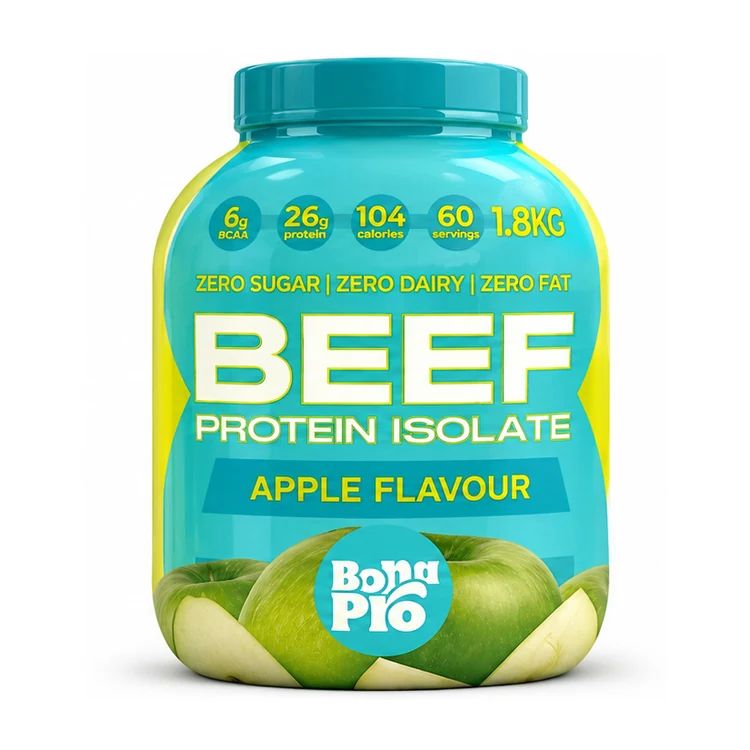
Beef protein is dairy-free, which helps people with milk allergy, but much of it is collagen-derived and lower in leucine than whey, and research is limited. Prefer products that list leucine per serving.
Compare tubs by price per gram
- Price per serving = tub price ÷ servings.
- Price per gram of protein = price per serving ÷ grams of protein per serving.
Product | Price | Servings | Protein/serving | Per serving | Per gram |
|---|---|---|---|---|---|
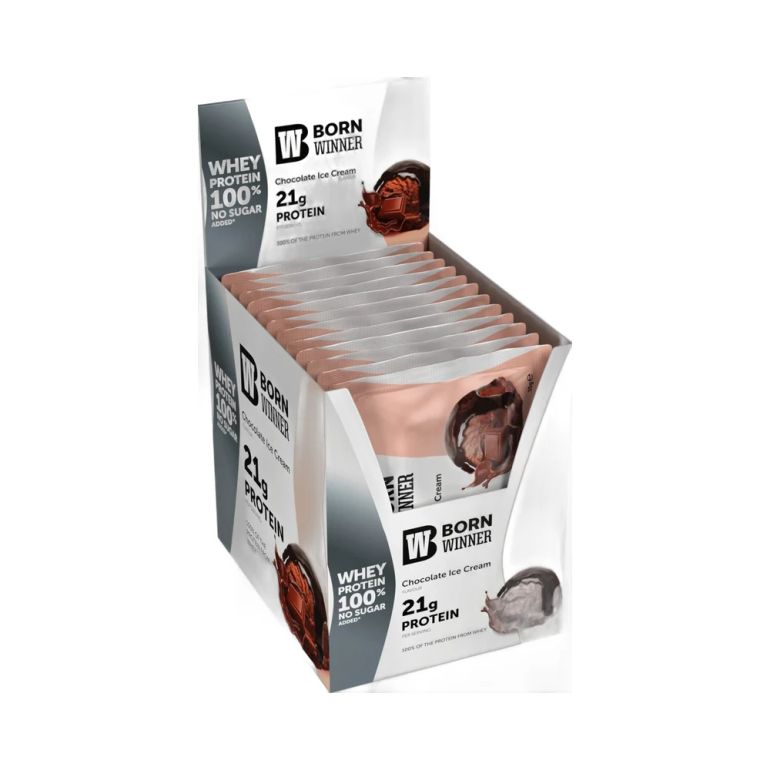
Born Winner Whey, box of 12 sachets | SAR 70.09 | 12 | 20.7 g | SAR 5.84 | SAR 0.28 |
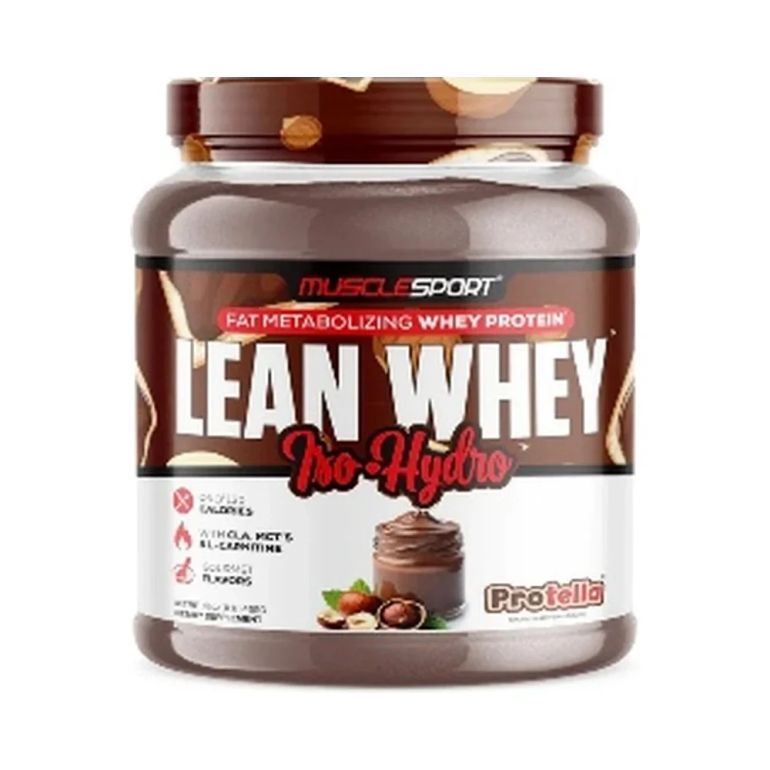
MuscleSport Lean Whey Iso-Hydro 1 lb | SAR 195 | 13 | 25 g | SAR 15 | SAR 0.60 |
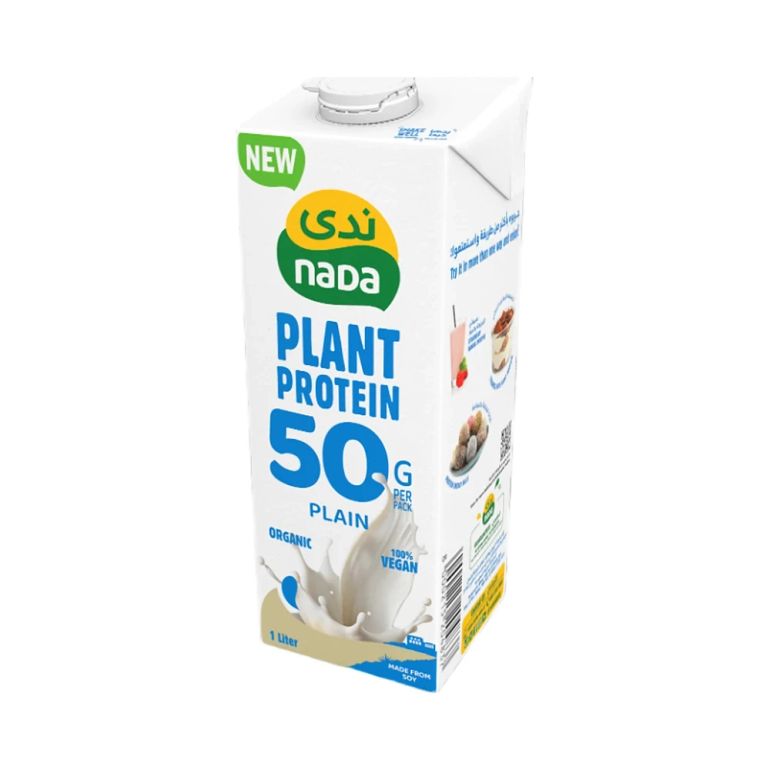
Nada plant protein drink 1 L | SAR 15.99 | — | 50 g per litre | — | SAR 0.32 |
Prices at the time of writing; they change with offers. Price is not everything: a pricier tub may hold a purer isolate or added lactase, and single sachets let you try a flavour before committing to a big tub.
Read the label before the price
- Protein percentage: 25 g protein in a 35 g scoop is about 71%. A very low percentage means more sugars or fillers.
- Proprietary blends: if amounts are hidden, you can't judge what you are paying for.
- Add-ons such as L-carnitine or CLA don't change protein quality.
- Third-party testing (Informed Sport, NSF Certified for Sport) matters for drug-tested athletes.
- Expiry date: check it on big sale packs.
For more on judging supplement deals, read our supplement deals guide.
Note: A milk allergy (not just lactose intolerance) rules out whey, isolate and casein, as they are all milk proteins. If you have kidney disease or a doctor-prescribed protein limit, ask your doctor before adding powder.
FAQ
Does isolate build more muscle than regular whey?
With equal protein, the difference is small. Its main advantage is less lactose and fewer calories.
Must I drink protein right after training?
Daily total matters more than timing; the "30-minute window" is less strict than often claimed.
Is plant protein good for building muscle?
Yes, especially soy and pea-rice blends, with a slightly larger serving.
References
- Jäger R, et al. ISSN Position Stand: protein and exercise. J Int Soc Sports Nutr. 2017;14:20.
- Morton RW, et al. Protein supplementation and resistance training-induced gains: meta-analysis. Br J Sports Med. 2018;52:376-384.
- Messina M, et al. Soy versus animal protein on gains in muscle mass and strength. Int J Sport Nutr Exerc Metab. 2018;28(6):674-685.
- Babault N, et al. Pea proteins oral supplementation promotes muscle thickness gains. J Int Soc Sports Nutr. 2015;12:3.
- van Vliet S, et al. Skeletal muscle anabolic response to plant- versus animal-based protein. J Nutr. 2015;145(9):1981-1991.
This article is for general education and does not replace advice from a doctor or dietitian.