
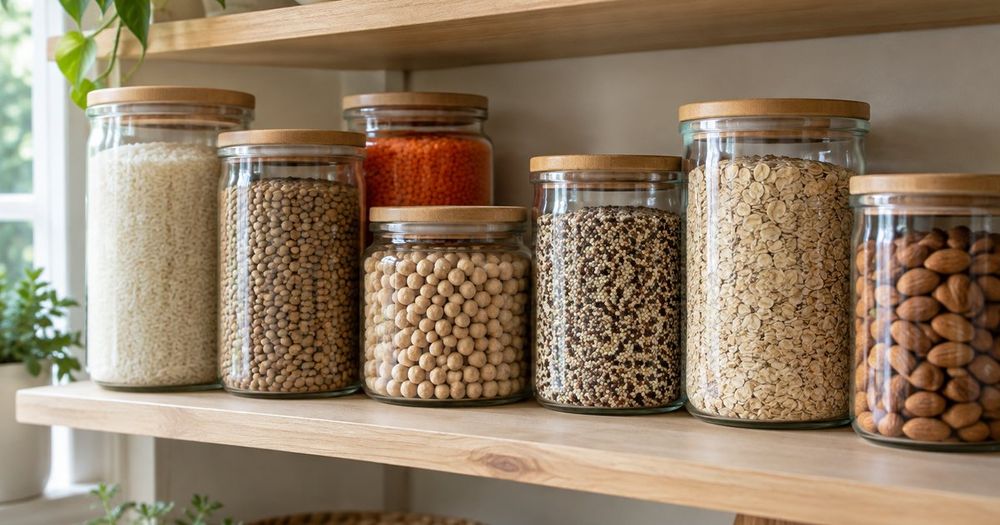
In short: A healthy pantry really saves money if you buy what you use and store it properly. White rice and dried legumes last a long time, but brown rice, whole wheat flour and nuts contain natural oils that go rancid within months. Keep everything in airtight containers in a cool, dry place, and don't buy more than about two months' worth of fast-spoiling items, because large quantities stored for a long time are ideal for pantry pests.
In sale seasons many of us like to fill the pantry with rice, lentils, oats and nuts. The idea makes sense: lower prices and a kitchen ready for healthy meals. But part of that stock ends up in the bin because of rancidity, insects or moisture, and the saving is lost. This article is a practical guide: how to plan your pantry budget, how long each item lasts, and how to store it until the last grain.
Step one: plan before you buy
Before you open the deals, do a quick inventory of what you already have and throw out anything expired or changed. Then write a list of what your household actually uses in a month: how many kilos of rice? How many tubs of oats? How many bags of lentils? That list is your real budget, not the ads.
Split your shopping into three groups:
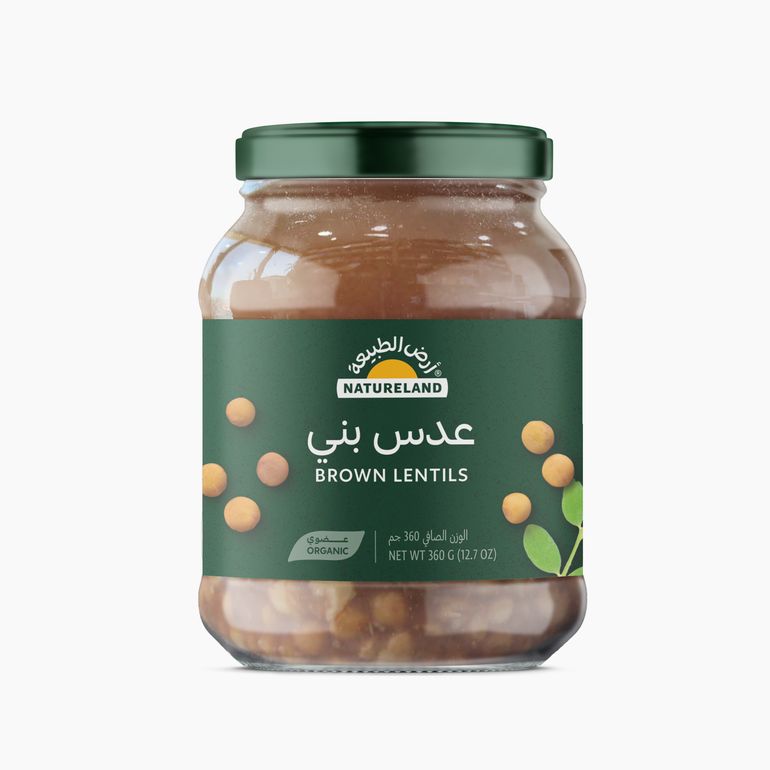
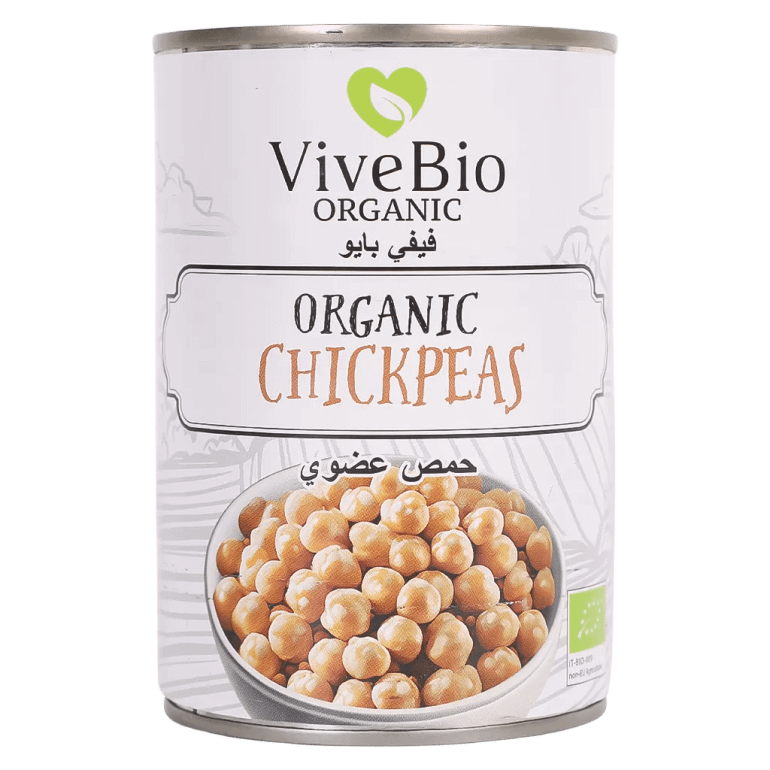
- Long-life staples: such as white rice, dried pasta, dried legumes and salt. You can buy larger quantities of these in sales.
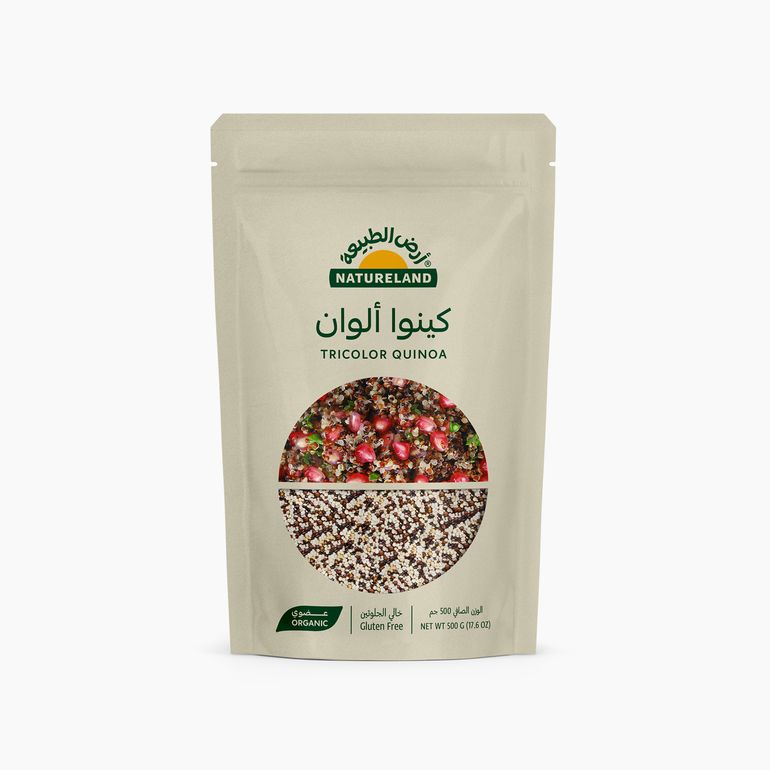
- Medium-life staples: such as oats, white flour, quinoa and spices. Buy enough for a few months.
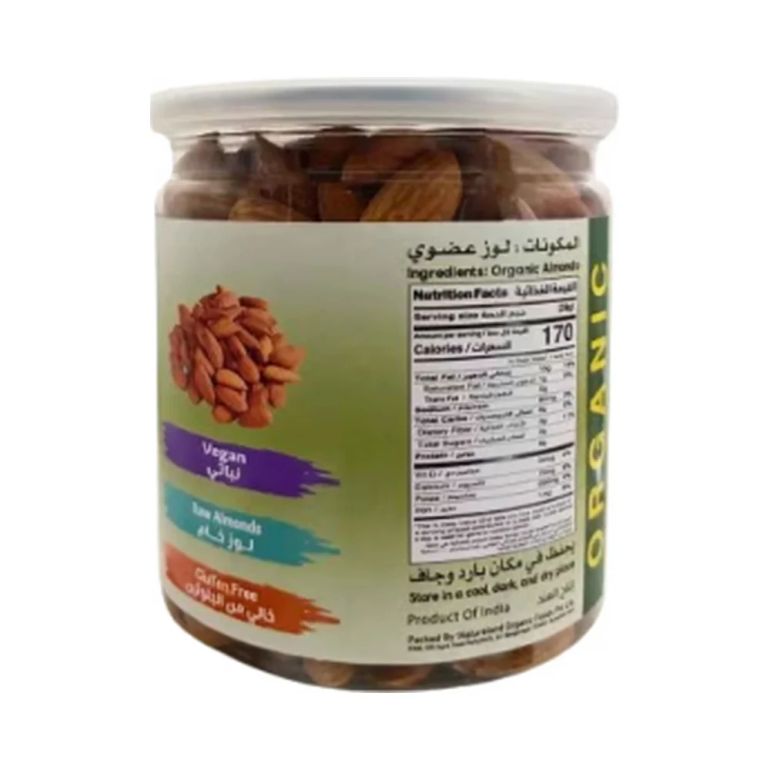
- Fast-spoiling items: such as brown rice, whole wheat flour, nuts, seeds and almond flour. Buy small amounts or plan to keep them in the fridge or freezer.
Tip: Always compare the price per kilo or per 100 g, not the price per bag. The bigger bag isn't always cheaper, and a deal on a small size can beat the family size.
A simple budget split
Say your pantry budget for sale season is fixed. Put the largest share into long-life staples you use every week, because they are the lowest storage risk and the biggest saving. Then a medium share for medium-life items, enough for about three months. Leave a small share for fast-spoiling items like nuts and whole grains, and buy only as much as your fridge or freezer can actually hold.
How long do pantry items last?
These are approximate times for storing dry items in a cool, dry pantry, based on food guidance from US university extension services (such as Clemson University and New Mexico State University). Actual time varies by product, temperature and packaging, so always check the pack date first:
Item | Approximate pantry time | Note |
|---|---|---|
White rice | About two years or more | One of the longest-lasting items if kept dry |
Brown rice | 6 to 12 months | Oils in the bran go rancid faster; the fridge extends its life |
Dried legumes (lentils, chickpeas, beans) | About a year for best quality | Stay usable longer but need longer cooking as they age |
Dried pasta | About two years unopened | About a year after opening |
White flour | 10 to 15 months | In an airtight container |
Whole wheat flour | About 3 months | Best in the fridge or freezer |
Oats | 6 to 12 months | Sensitive to moisture and odors |
Nuts | A few months in the pantry | Up to a year in the fridge and longer frozen |
Ground spices | 2 to 3 years | Gradually lose flavor but don't spoil quickly |
Why does white rice last longer than brown? Because brown rice and whole grains keep the bran and germ, which contain natural oils that are good for you but oxidize with time and heat, giving a rancid smell and taste. That doesn't mean avoiding whole grains; it means buying them in smaller amounts and storing them well.
How to store your pantry properly
- Airtight containers: move opened items into glass, metal or thick plastic containers with tight lids. Paper bags and cardboard don't protect against moisture or insects.
- Cool, dry and dark: away from the oven, stove, the back of the fridge and sunlight, and off the floor.
- Oldest first: put new purchases behind older ones, and write the purchase date on the container if you moved the product out of its original pack.
- Fridge and freezer for sensitive items: nuts, whole wheat flour and brown rice last much longer when cold. Seal them well to prevent moisture and odor absorption.
- Clean shelves: wipe shelves before arranging new stock, because flour and grain residue attracts insects.
Pantry pests: how to avoid them
Flour beetles and grain moths are among the most common pantry problems, attacking flour, rice, pasta, oats, nuts, spices and even chocolate. Finding them doesn't mean your kitchen is dirty; they often come in with a product you bought.
US university extension guides recommend:
- Check packs when buying: avoid torn bags or ones with tiny holes or web-like threads.
- Airtight containers are the first line of defense: even if an insect comes in with one product, it stays contained and doesn't spread to the rest of the pantry.
- Don't store huge quantities for long periods: Clemson University guidance advises not buying more than you'll use in about two months for pest-prone items, because large stocks left for long periods are ideal for them to breed.
- Freezing: putting new flour or grains in the freezer for a few days in a sealed bag kills eggs and larvae; then return them to an airtight container after they reach room temperature while still sealed, to avoid condensation.
Note: If you find insects or webbing in an item, dispose of it in a sealed bag outside the house, check every nearby item, and clean the shelves well with a vacuum, soap and water before rearranging.
How to tell an item has gone bad
- A rancid smell like old oil or paint in nuts, whole grains and brown flour.
- An unusual bitter or sour taste.
- Moisture, clumping or mold spots on any dry item. Mold on grains and nuts can't be picked out; it's safest to throw them away.
- Insects, larvae or webbing inside the pack.
A healthy pantry that doesn't cost much
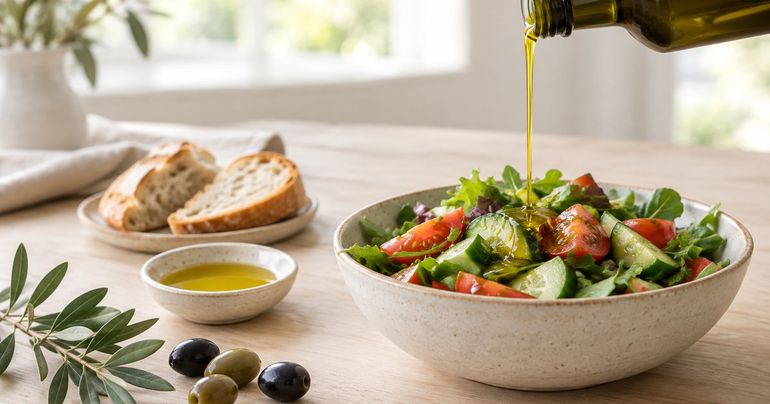
A healthy pantry doesn't have to mean expensive products. Dried legumes like lentils and chickpeas are among the cheapest sources of protein and fiber, and rice and oats are the base of many meals. Add a few items to complete the picture: extra virgin olive oil for cooking and salads, a small amount of nuts, and spices for flavor without extra salt. To learn more about choosing and storing olive oil, read our article on extra virgin olive oil, and for storing supplements properly read our article on storing supplements bought on sale.
Frequently asked questions
Can I eat rice or lentils after the "best before" date?
That date is mostly about quality. If the item is dry and free of insects, mold and odd smells, it's usually still fine, but older legumes need longer soaking and cooking.
Should I keep nuts in the fridge?
Yes, if you have a large amount or the weather is hot. Cold slows the rancidity of their oils a lot. Seal them well against moisture and odors.
Do bay leaves keep pantry pests away?
It's a popular habit, but it doesn't replace airtight containers, cleaning and regular checks.
How much pantry stock should I buy in a sale?
For long-life staples you can buy enough for several months; for fast-spoiling or pest-prone items, about two months' worth is best.
References
- Clemson Cooperative Extension, HGIC. Food Storage: Pantry.
- Clemson Cooperative Extension, HGIC. Pantry Pests.
- New Mexico State University. Guide E-118: Storing Foods at Home.
- University of Florida IFAS Extension. Pantry and Stored Food Pests.
- USDA / FoodSafety.gov. FoodKeeper App.
This article is for general education. Always follow the instructions and dates printed on the pack.