
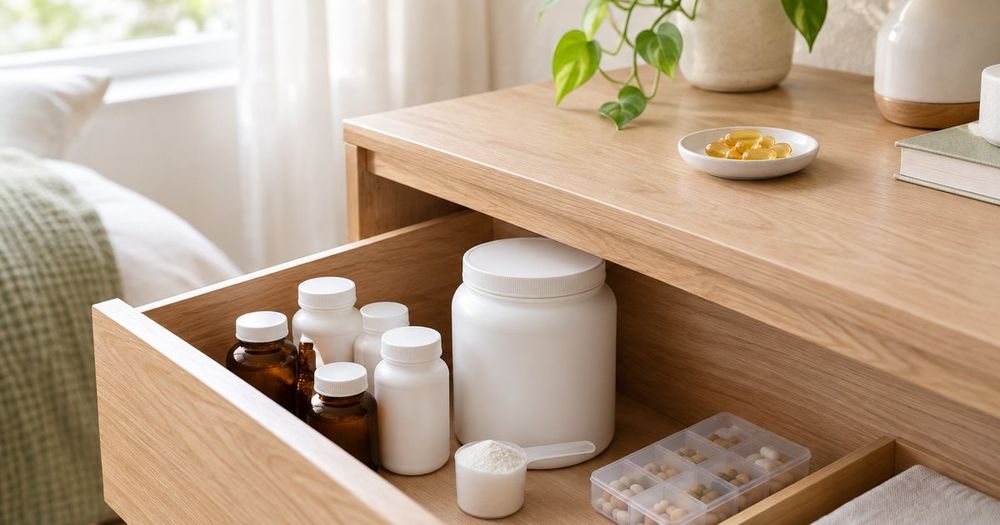
In short: Big sales tempt you to stock up on supplements, but supplements lose potency over time and with poor storage. Before you stock up: work out how many servings you'll actually use before the expiry date, compare price per serving rather than per tub, and store supplements somewhere cool and dry, away from the bathroom, kitchen and car. And the most important safety rule: keep supplements away from children, especially those containing iron.
During sale season, buying three tubs of protein or six months of omega-3 can seem like a smart move. Sometimes it is, and sometimes you end up with clumped powder or capsules that smell like old oil before you've finished them. In an earlier article we explained how to evaluate a supplement before you buy it in terms of need, safety and quality. This article covers the next step: how much to buy, how to work out the real price, and how to store what you bought until the last serving.
The expiry date on a supplement: what does it mean?
In the United States, the FDA does not require supplement makers to put an expiry date on their products, unlike medicines. But if a company does add a date, it must be backed by data showing the product stays within its specifications until then. Most well-known brands include a date because independent certification programs require stability testing.
An expiry date on a supplement is mostly about potency, not safety: after it, the amount of active ingredient may fall below what the label says. But that date assumes the product was stored properly. A supplement kept somewhere hot and humid can lose potency well before the date.
Tip: Before buying a large quantity, check the expiry date and do the math: will I finish all the tubs comfortably before it? If not, the deal isn't a saving.
Work out the real price: per serving, not per tub
The bigger tub isn't always cheaper, and a discounted price doesn't always mean better value. The accurate way:
- Find the serving size on the label: for example one scoop of protein, two omega-3 capsules or 5 g of creatine.
- Find the number of servings per tub: usually shown in the nutrition facts panel.
- Divide the tub price by the number of servings: that is your price per serving.
- Compare the active ingredient, not the product name: for protein, compare grams of protein per scoop. For omega-3, compare total EPA and DHA per serving, not capsule weight.
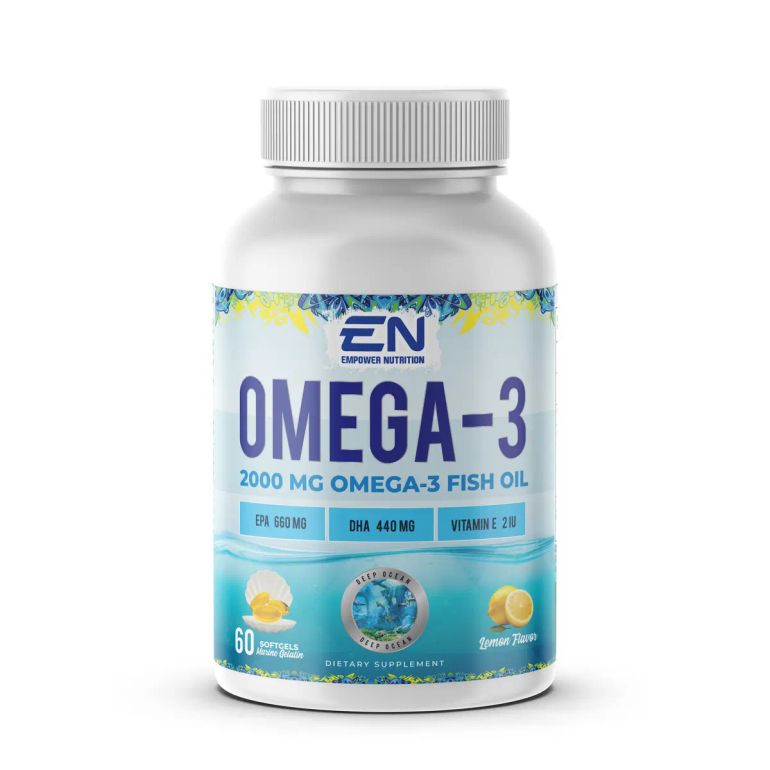
The omega-3 example matters: an Australian study of fish oil supplements found that some products marketed as "special" delivered much less fish oil per capsule, yet cost several times more per gram. The pricier capsule isn't necessarily the better one.
A practical protein example
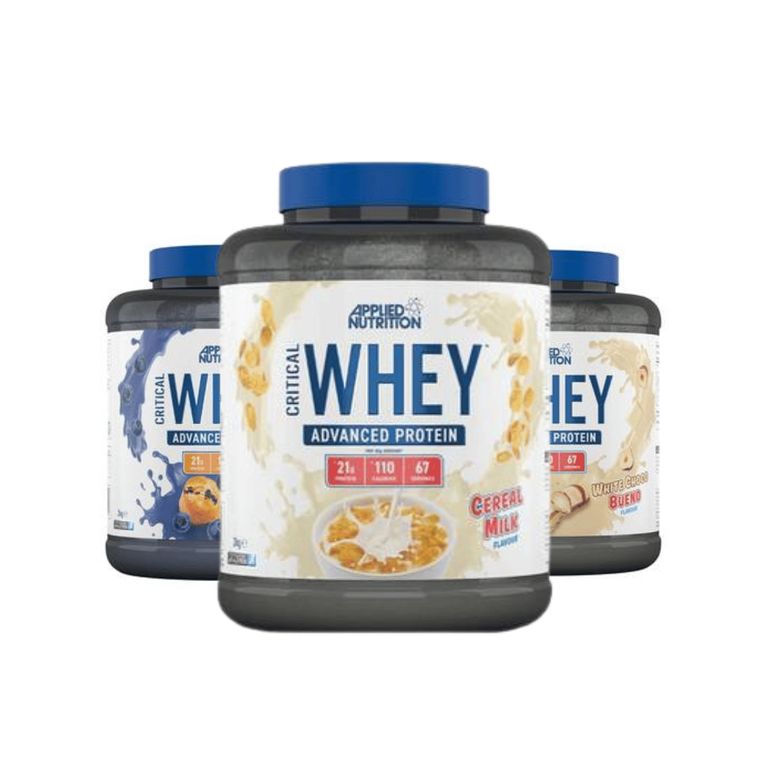
Two tubs of protein at the same price: the first has 70 servings with 24 g protein per scoop, the second 60 servings with 22 g. The first gives you 1,680 g of protein, the second 1,320 g. So the first is about 27% better value at the same price. This simple calculation matters more than the discount percentage on the ad.
Where should you store supplements?
Supplements have four enemies: heat, humidity, light and air. Unfortunately, the two places people most often keep supplements are the worst:
- The bathroom: shower steam and humidity get into the tub, clumping powders and softening capsules.
- The kitchen above the stove or next to the oven or kettle: repeated heat speeds up the breakdown of active ingredients.
- The car: in our summers a parked car can exceed 60°C, enough to damage many supplements within days.
Best: a drawer or cupboard in a bedroom or hallway, away from sunlight, in the original container tightly closed. The original container matters because it is designed to protect the product and carries the expiry date, batch number and warnings, and don't throw away the small moisture-absorbing sachet inside.
Supplements that need extra care
- Omega-3 and fish oil: oils sensitive to oxidation. Studies in different markets found a notable share of products exceeded suggested voluntary oxidation limits, and researchers noted this may happen during transport and storage after manufacture. Keep them away from heat and light, and stop if the smell becomes very unpleasant or they taste like spoiled fish.
- Probiotics: some need refrigeration and some don't. Follow exactly what the label says.
- Liquid vitamins and gummies: more heat-sensitive, and gummies can stick together and change.
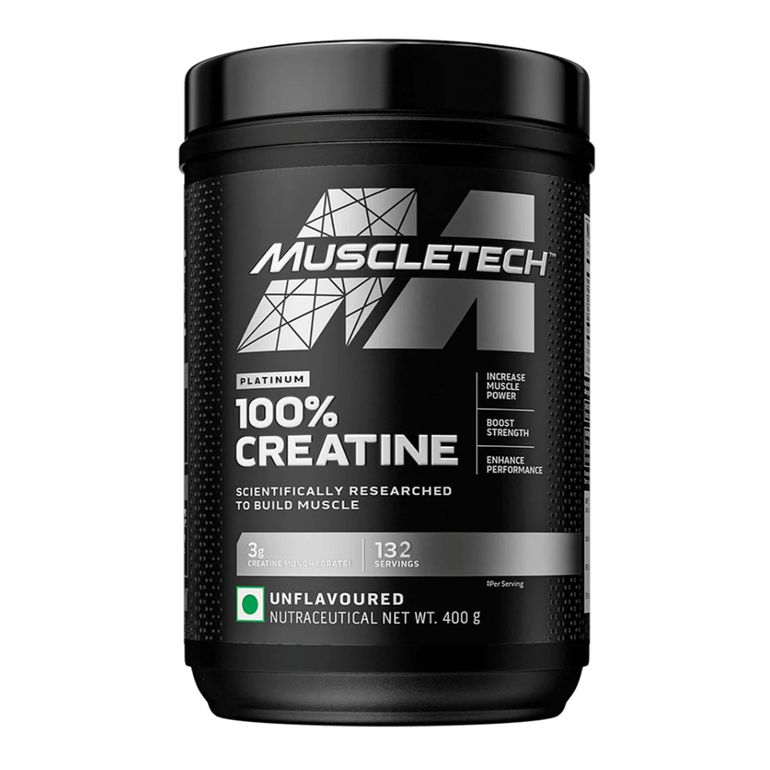
- Protein and creatine: relatively stable powders, but they clump with moisture. Always use a dry scoop and close the bag or tub well.
Note: Don't move supplements to the fridge "just in case" unless the label says so. Opening a cold container in warm air forms water droplets inside, and that moisture does more harm than good.
Home safety: children and iron
This is the most important section of the article. The US FDA requires iron supplements to carry a clear warning because accidental overdose of iron-containing products has been a leading cause of fatal poisoning in children under 6. Many iron pills and multivitamins look like sweets in shape and color, and any other supplement in large amounts can harm a child.
- Store all supplements in a high, closed place out of children's reach.
- Close child-resistant caps fully after each use.
- Don't leave vitamin bottles on the dining table or in a handbag.
- Take special care with prenatal vitamins, which are often rich in iron and found in homes with young children.
- If a child swallows any amount of a supplement, contact emergency services or a poison center right away, even if they seem fine.
How much should you buy in sale season?
A practical rule: buy enough for two to six months depending on the supplement type and its expiry date, no more. Before buying, ask yourself:
- Do I actually use this supplement regularly, or have I started and stopped more than once?
- Will I still enjoy the same flavor for six months? Many people buy big tubs of a new protein flavor and get tired of it.
- Do I have a suitable place to store the whole quantity away from heat and humidity?
- Have I checked with my doctor if I take medicines or have a health condition?
Organize your stock "oldest first": put the tubs with the nearest expiry date at the front, and don't open more than one tub of the same product at a time.
What to do with expired supplements
Don't flush capsules down the sink or toilet. The simplest way to dispose of them at home: take them out of the bottle, mix them with something unappealing such as used coffee grounds, seal them in a bag and put it in household waste. Scratch out any personal information on the label. If your local pharmacy accepts expired medicines and supplements, that's an even better option.
Frequently asked questions
Are expired supplements dangerous?
Usually the issue is reduced potency, not toxicity. But if the appearance, smell or color has changed, or it's a rancid oil, don't use it.
Should I keep vitamins in the fridge?
Only if the label says so, as with some probiotics and liquid vitamins. Otherwise, the fridge adds moisture when you open the container.
How do I know if omega-3 has gone off?
A strong, unpleasant fishy smell when you open the bottle or break a capsule, or a rancid taste. Some products add lemon flavor that can mask this, so pay attention.
Is a bigger tub always better value?
Not always. Work out the price per serving and make sure you'll finish it before the expiry date.
References
- U.S. FDA. Label Warning Statements for Iron-Containing Supplements and Drugs.
- Int J Food Sci Nutr (2019). Oxidation of fish oil supplements in Australia. 70(5):540-550.
- Jackowski SA, et al. (2015). Oxidation levels of North American over-the-counter n-3 supplements. J Nutr Sci 4:e30.
- NIH Office of Dietary Supplements. Dietary Supplements: What You Need to Know.
This article is for general education and does not replace advice from a doctor or pharmacist, especially before using supplements with medicines or during pregnancy.