
In short: The key keto shopping skill is reading the label, not looking for "keto" on the pack. On US labels, Total Carbohydrate includes fibre and sugar alcohols, so you subtract them to get net carbs. On EU-style labels, common on imports, fibre is listed separately and is not part of carbohydrate, so don't subtract it twice. Watch sweeteners: erythritol barely raises blood sugar, but maltitol clearly does. Build your basket on simple foods: leafy vegetables, eggs, meat and fish, cheese, nuts and oils.
Many people start keto with products labelled "keto" or "low carb" and are surprised when weight stalls or blood sugar rises. The cause is usually label reading. This guide shows how to calculate net carbs by label type, which sweeteners to watch, red flags in ready-made keto products, and a shopping list by aisle. For first-week headaches and fatigue, see our keto flu guide.
What net carbs means
Net carbs are the carbohydrates your body digests and absorbs. Fibre isn't digested in the small intestine, and some sugar alcohols are only partly absorbed. The term has no official FDA definition, so front-of-pack "net carb" numbers are company calculations.
US vs EU labels
Label type | Fibre inside carbs? | Net carbs |
|---|---|---|
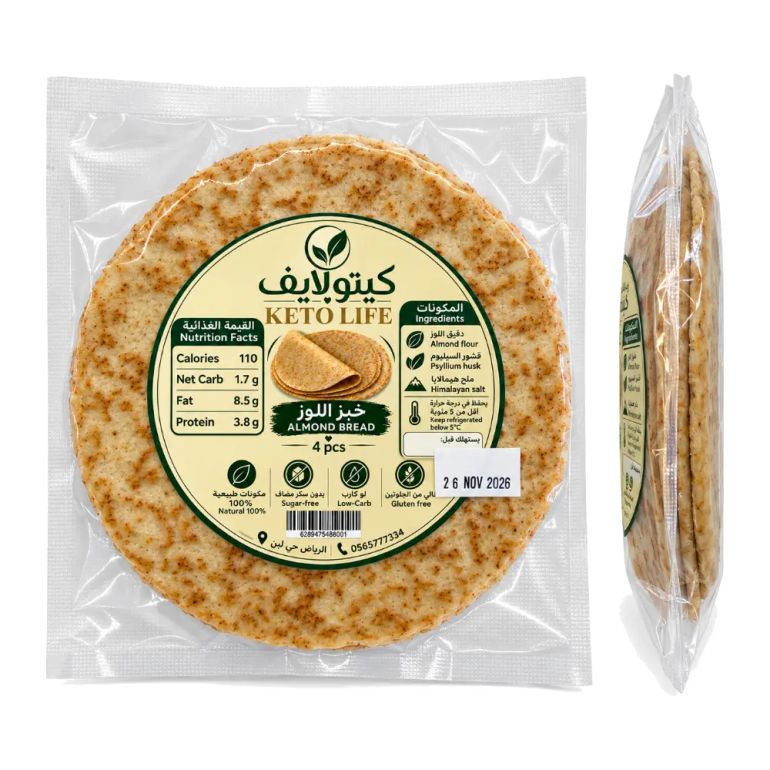
US (Total Carbohydrate) | Yes, plus sugar alcohols | Total − fibre − sugar alcohols (by type) |
EU (Carbohydrate) | No, fibre is separate | The stated figure is close to net; watch listed polyols |
Unclear | Unknown | Count the total without subtracting |
EU Regulation 1169/2011 defines carbohydrate as carbohydrate metabolised by humans, including polyols, and defines fibre separately.
Sweeteners are not equal
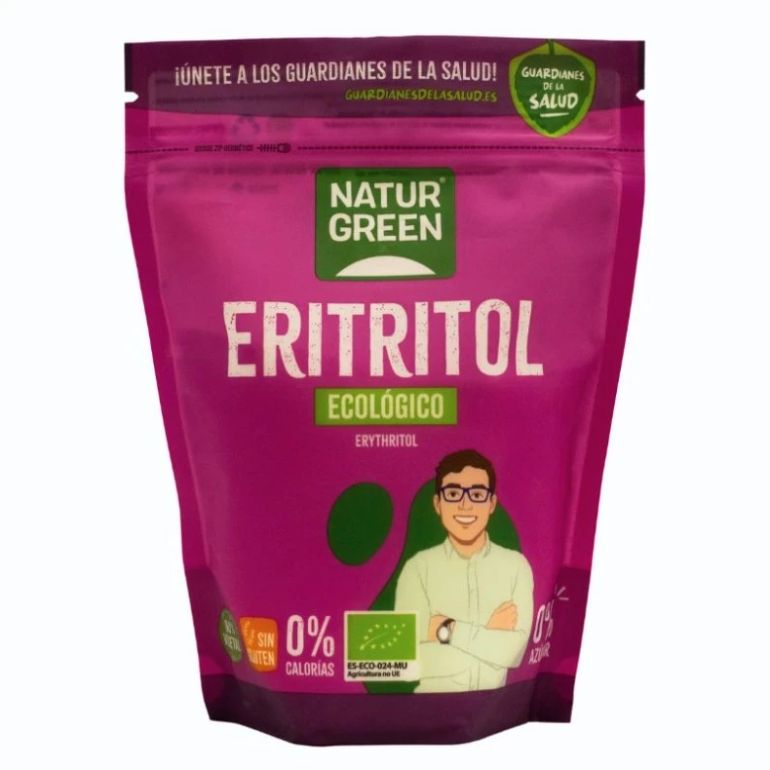
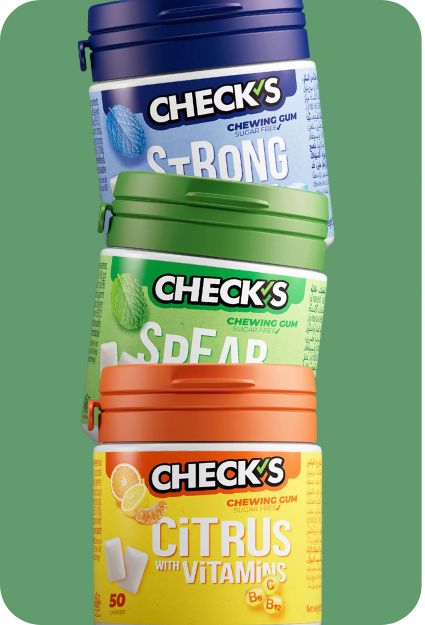
In a review of polyols (Livesey 2003), glycaemic index was about 0 for erythritol, 13 for xylitol, 9 for sorbitol, 35 for maltitol and around 50 for maltitol syrups (glucose = 100). Erythritol, stevia and monk fruit have little effect; count at least half of maltitol and isomalt; and check sucralose sachets for maltodextrin or dextrose fillers. Compare stevia and erythritol in our stevia vs erythritol guide.
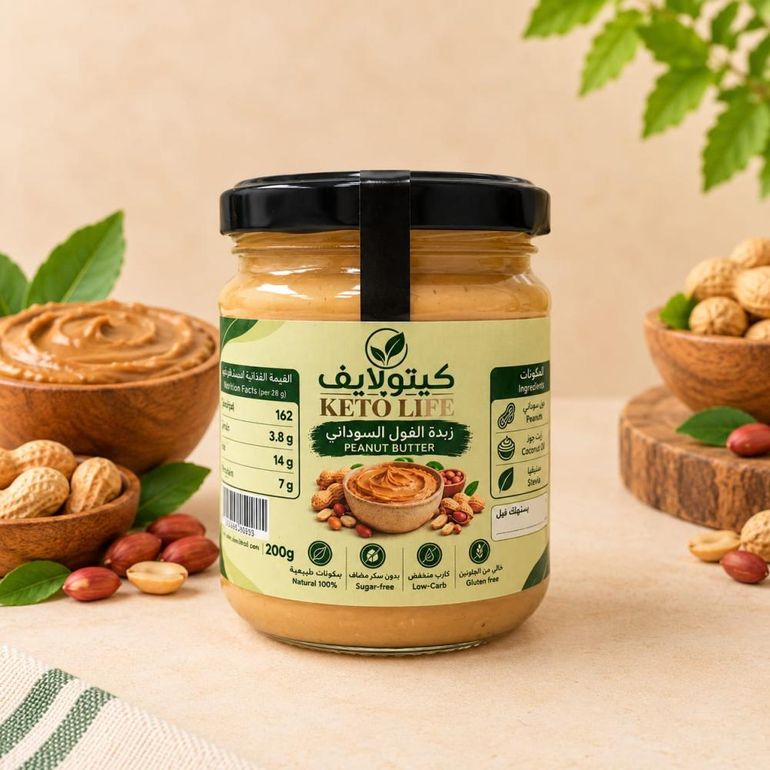
Tip: Read the first three ingredients. Maltitol, corn syrup, dextrose, maltodextrin or wheat flour mean the product probably doesn't suit keto, whatever the front says.
Red flags
- A low front "net" number that doesn't match the back label.
- Unrealistically small servings.
- Hidden starches: tapioca, rice flour, maltodextrin.
- Very high calories; keto doesn't cancel calories.
- Fat-melting or blood-sugar claims on a food.
Shopping list by aisle
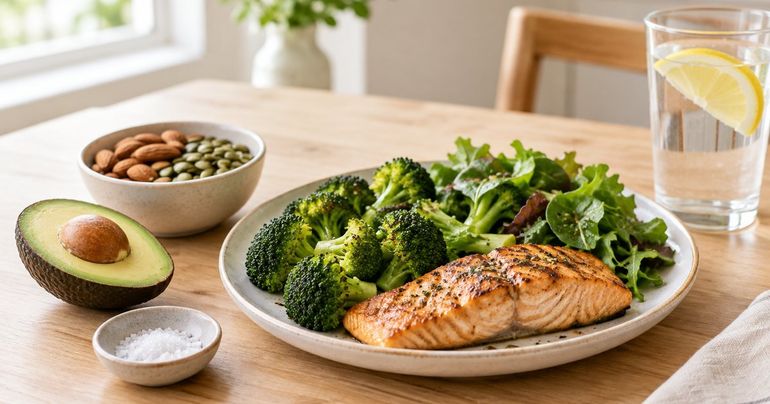
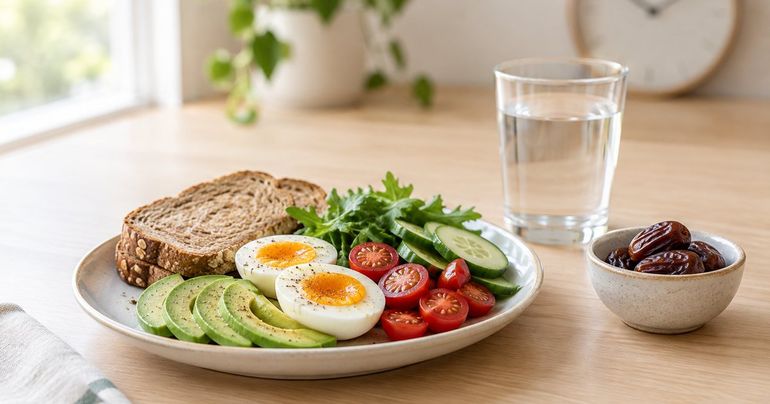
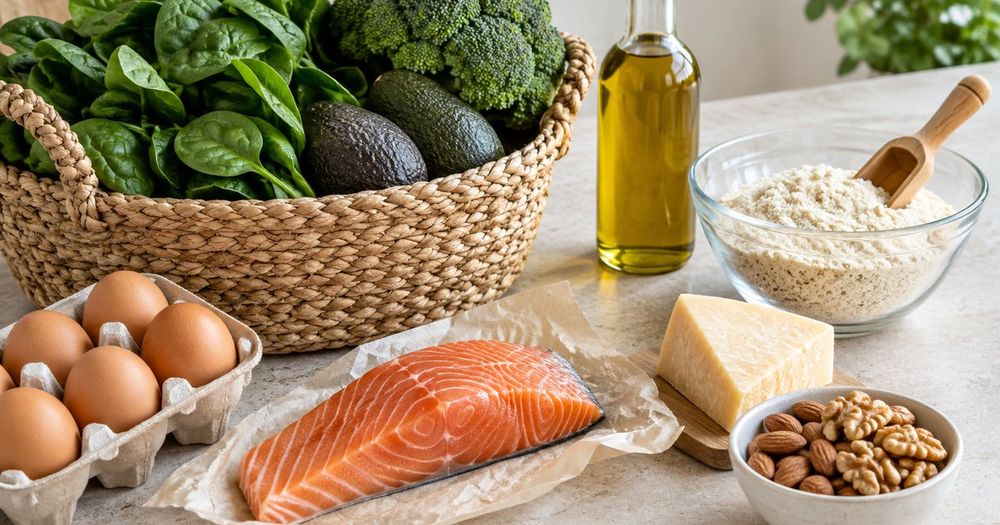
- Vegetables: spinach, lettuce, courgette, broccoli, cauliflower, cucumber, peppers, mushrooms.
- Protein: eggs, chicken, meat, fish, tuna, sardines.
- Dairy: cheese, plain Greek yoghurt, labneh, cream.
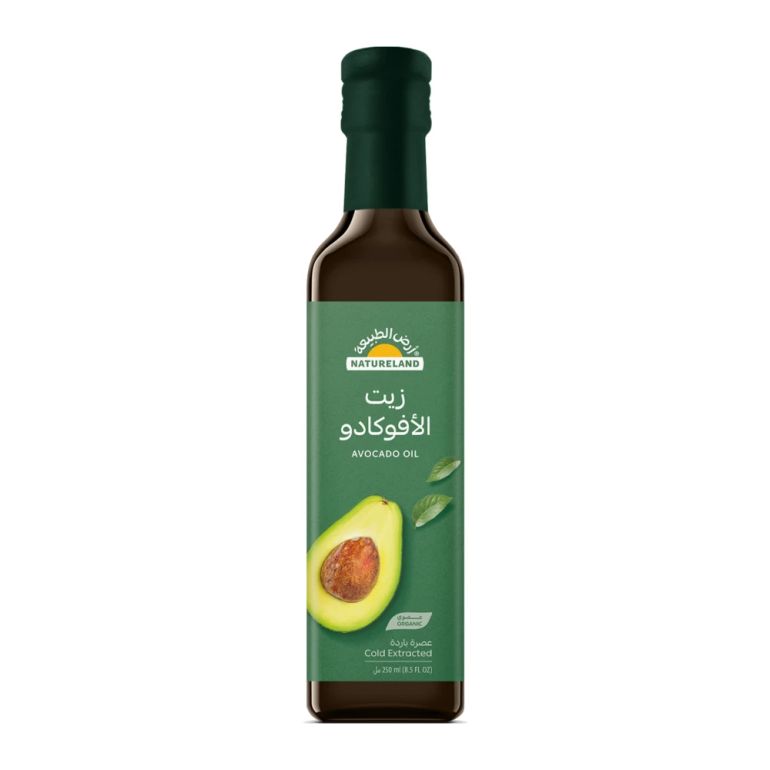
- Fats: olive oil, avocado oil, butter, coconut oil.
- Nuts and seeds: almonds, walnuts, pumpkin, flax, chia.
- Baking: almond flour, coconut flour, psyllium.
- Sweeteners: erythritol, stevia, monk fruit.
- Drinks: water, sparkling water, unsweetened tea and coffee, broth.
Long-term evidence doesn't show keto clearly beating other diets for weight loss at equal calories, and reviews note LDL cholesterol rises in some people, so fat quality and vegetables matter.
Note: People taking diabetes medicines, especially insulin or SGLT2 inhibitors, should talk to their doctor first because of hypoglycaemia and rare but serious ketoacidosis. Pregnant or breastfeeding women and people with kidney, liver or pancreatic disease or a history of eating disorders should not start without medical supervision.
FAQ
How many net carbs a day?
Studies commonly use under 20–50 g a day; the right amount varies by person.
Should I always subtract fibre?
Only when it's inside the carbohydrate figure, as on US labels.
References
- FDA. Interactive Nutrition Facts Label: Total Carbohydrate.
- Regulation (EU) No 1169/2011, Annex I: Definitions.
- Livesey G. Health potential of polyols as sugar replacers. Nutr Res Rev. 2003;16:163-191.
- Crosby L, et al. Ketogenic Diets and Chronic Disease: Weighing the Benefits Against the Risks. Front Nutr. 2021.
- FDA. SGLT2 inhibitors label warnings on ketoacidosis. 2015.
This article is for general education and does not replace medical or dietetic advice.