
In the first days of keto, many people get headaches, tiredness and dizziness, which they call the "keto flu". It is not real flu or an infection, but a set of temporary symptoms that can happen when carbohydrates drop suddenly. This guide explains what it is, why it happens, how long it lasts, how to ease it safely, and who should talk to a doctor before starting keto at all.
In short: keto flu is a set of temporary symptoms such as headache, tiredness, nausea, dizziness and trouble concentrating. In a study of user reports (Bostock, 2020), symptoms peaked in the first week and faded after 4 weeks. The likely cause is the sudden change in carbohydrates and the loss of fluid and salts. Drinking enough, eating foods rich in potassium and magnesium, cutting carbs gradually and easing off intense exercise can help. If you have diabetes, kidney or heart disease, or are pregnant, talk to your doctor before starting keto.
What is the keto flu?
Keto is a very low-carbohydrate, high-fat diet that makes the body rely on ketones for energy instead of glucose. When the fuel source changes quickly, some people feel symptoms in the first days. The name is popular, not a medical diagnosis, and the symptoms do not include the fever or congestion of real flu.
Keto started as a medical treatment for epilepsy in the 1920s, and according to StatPearls it has more recently been used for obesity, type 2 diabetes and metabolic syndrome. So it is a diet with a strong effect on the body, not just an ordinary "diet", which is why the start can be hard for some people and why it needs planning, especially for anyone with a health condition.
Common symptoms
In a study by Bostock and colleagues published in Frontiers in Nutrition in 2020, researchers analysed posts from 300 users in keto forums, and about a third described keto flu symptoms. The most common were:
- Headache, tiredness and low energy.
- Nausea, dizziness and feeling faint.
- Trouble concentrating ("brain fog").
- Stomach discomfort.
- A feeling of heartbeat changes in some people.
Symptoms peaked in the first week and faded after 4 weeks, and the duration varied from person to person. These are user reports, not a clinical trial, so they only give a general picture. A scoping review published in 2025 confirmed that symptoms at the start of keto are common across different groups, and that research on ways to relieve them is still limited.
Why does it happen?
The exact causes are not fully proven, but according to StatPearls (a medical reference from the US National Library of Medicine) the symptoms are likely related to carbohydrate withdrawal and shifts in fluid and salts in the body. When carbs drop, the body loses more water and sodium in the first days, which can cause headache, dizziness and tiredness. Researcher Bostock notes that other changes, such as a calorie deficit and changes in gut bacteria, may also play a part.
How to ease it
Most of the advice here is based on understanding the causes and on people's experience, and direct research on it is limited. But these are simple steps that are safe for most people:
- Drink enough water: especially in the first two weeks, because the body loses more fluid.
- Do not neglect salt: do not cut salt drastically at the start unless you have high blood pressure or kidney or heart problems, in which case follow your doctor's advice.
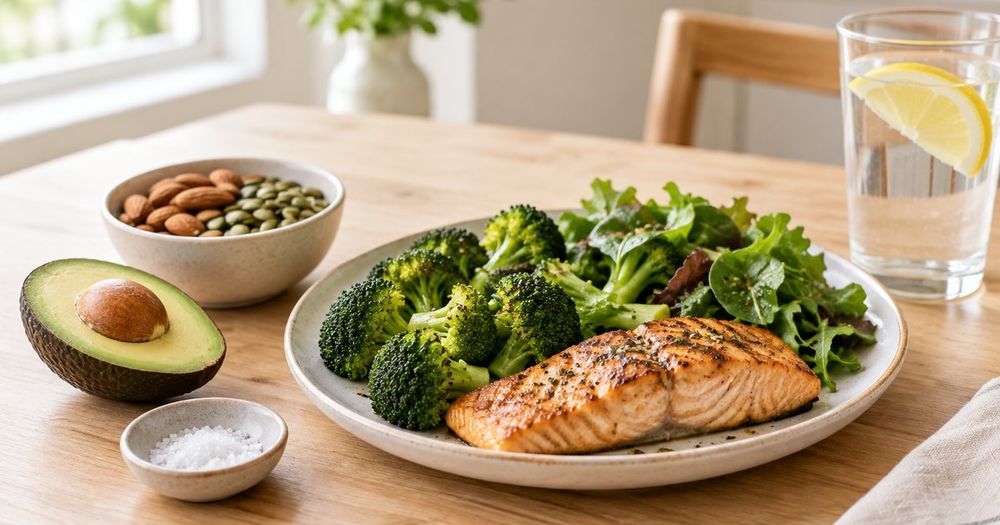
- Eat foods rich in potassium and magnesium: such as avocado, leafy greens, broccoli, nuts and seeds.
- Cut carbs gradually: instead of stopping carbs all at once, lower them over one or two weeks.
- Ease off intense exercise: in the first days, stick to walking or light activity.
- Sleep well: poor sleep makes tiredness worse.
- Eat enough healthy fat: so you do not end up with a large calorie deficit that adds to the tiredness.
Tip: electrolyte drinks may help, especially in hot weather or when you sweat a lot. Choose sugar-free ones if you want to stay in keto, and read the label for sodium content and sweeteners.
Common mistakes in the first week
- Cutting vegetables: some people drop vegetables along with carbs, which lowers potassium and fibre. Leafy greens, broccoli and courgette fit keto and help keep digestion regular.
- Fearing fat: keto is low-carb and high-fat. If you cut both at once, calories drop a lot and you feel more tired.
- Relying on ready "keto" snacks: they are useful when needed, but the base should be whole foods such as eggs, meat, fish, vegetables and nuts. Read labels, as some contain sweeteners or more carbs than you expect.
- Intense exercise from day one: the body needs time to adapt, so start light and build up.
- Judging by the scale too soon: much of the early drop is water from fluid loss, so do not treat it as the only measure.
- Forgetting water: with extra fluid loss, drinking too little makes headaches and dizziness worse.
When to see a doctor
Keto flu should be mild and temporary. See a doctor if:
- You have repeated vomiting, ongoing diarrhea or a fever.
- You feel severe dizziness, fainting or strong palpitations.
- Symptoms have not eased after 4 weeks or are getting worse.
These symptoms may have another cause, or the diet may need adjusting.
Who should talk to a doctor before keto?
Keto is not right for everyone. A review published in Annals of Medicine in 2026 summarised contraindications to keto and situations that need caution:
Situation | Why it needs attention |
|---|---|
Diabetes treated with insulin or glucose-lowering drugs (such as sulfonylureas or SGLT2 inhibitors) | Doses may need adjusting to avoid low blood sugar or ketoacidosis |
Diuretics or blood pressure medicines | Effects on fluids and salts |
Advanced kidney or liver disease, or acute pancreatitis | Relative contraindications to keto |
Pregnancy and breastfeeding | Needs medical supervision |
Rare inherited disorders of fat metabolism, and porphyria | Absolute contraindications |
Note: if you take diabetes or blood pressure medicines, do not start keto without talking to your doctor. Cutting carbs quickly can change how much medicine you need.
Meal ideas for the first week
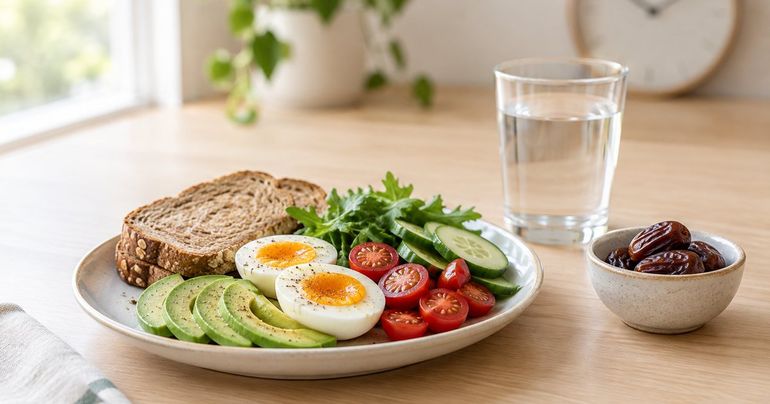
- Breakfast: eggs with avocado and leafy greens.
- Lunch: grilled chicken or fish cooked in avocado or olive oil, with broccoli and salad.
- Snack: a handful of almonds or pumpkin seeds.
- Dinner: meat with courgette and spinach.
- Drink: water, or a sugar-free electrolyte drink after exercise.
What suits you from Green Spot?
- For electrolytes: Ghost Hydration electrolyte powder, sugar-free. Check the label for sweeteners and sodium content.
- For magnesium and healthy fats: Zadna organic almonds and Natureland hulled pumpkin seeds.
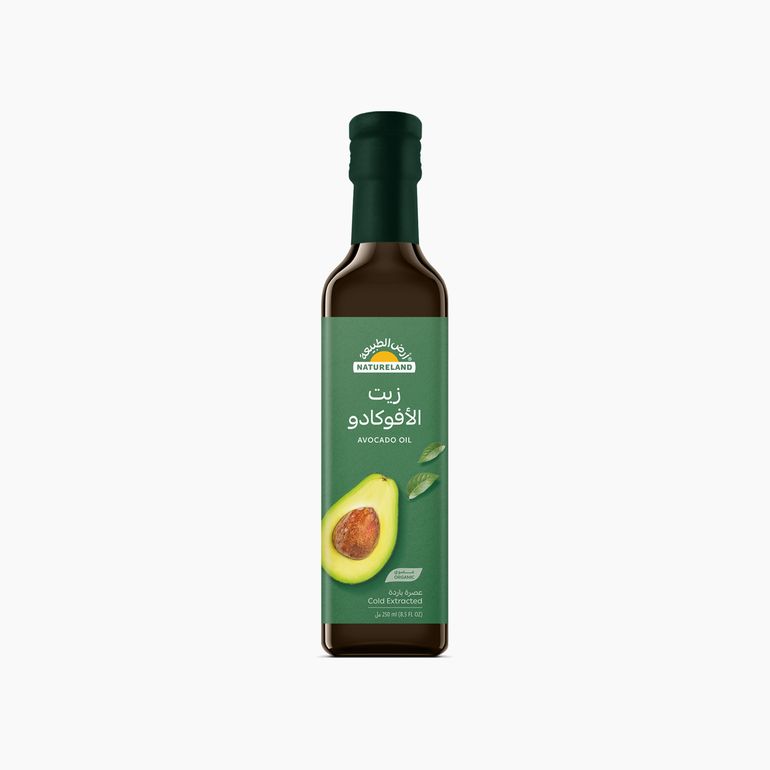
- For cooking: Natureland avocado oil.
- For salt: Natureland Himalayan salt. Pink and white salt are both sources of sodium; what matters is the amount, not the type.
You can also browse keto products at Green Spot.
Frequently asked questions
How long does the keto flu last?
In the Bostock study, symptoms peaked in the first week and faded after 4 weeks, and for some people they eased within days.
Does everyone get the keto flu?
No. In the same study, only about a third of users described symptoms.
Does the keto flu mean keto is working?
No, it is a set of temporary adaptation symptoms, not a measure of weight loss or success.
The bottom line
The keto flu is usually temporary and eases with water, salts, mineral-rich food and a gradual start. Talk to your doctor before keto if you have a health condition or take medication, and stock your kitchen from the keto products at Green Spot.
References
- Bostock ECS, et al. Consumer Reports of "Keto Flu" Associated With the Ketogenic Diet. Frontiers in Nutrition, 2020. doi.org
- Symptoms during initiation of a ketogenic diet: a scoping review of occurrence rates, mechanisms and relief strategies. Frontiers in Nutrition, 2025. pubmed.ncbi.nlm.nih.gov
- The ketogenic diet is not for everyone: contraindications, side effects, and drug interactions. Annals of Medicine, 2026. pubmed.ncbi.nlm.nih.gov
- Masood W, et al. Ketogenic Diet. StatPearls, NCBI Bookshelf. ncbi.nlm.nih.gov
- Watanabe M, et al. Scientific evidence underlying contraindications to the ketogenic diet: An update. Obesity Reviews, 2020. doi.org