
Iron is one of the most important nutrients in a child's diet, especially from 6 months to 2 years. The good news is that most children can get what they need from ordinary food if we watch three things: offer iron-rich food at most meals, help the body absorb it, and do not let milk replace food. This guide covers how much children need, the best sources and what parents should watch for.
In short: babies aged 7 to 12 months need about 11 mg of iron a day, and children aged 1 to 3 need about 7 mg (per NIH). The best sources are meat, chicken and fish, followed by lentils, chickpeas and iron-fortified baby cereals. Serve them with fruit or vegetables that contain vitamin C. Cow's milk should not be the main drink before 12 months, and after one year it should be limited to 2 to 3 cups a day. Never give your child an iron supplement unless a doctor prescribes it.
Why does iron matter for babies and children?
Iron is needed to make hemoglobin, which carries oxygen in the blood, and it plays a role in growth and concentration. According to the US National Institutes of Health (NIH), full-term infants can become iron deficient between 6 and 9 months unless they eat iron-rich solids or iron-fortified formula, because the iron stores they are born with run down with rapid growth.
Mild deficiency often has no obvious symptoms. But iron deficiency anemia can cause tiredness, weakness, low energy and trouble concentrating, it weakens resistance to infection, and in children it can affect learning. That is why prevention through food is easier than treatment.
How much iron does your child need each day?
Age | Recommended daily amount |
|---|---|
Birth to 6 months | 0.27 mg (from breast milk or formula) |
7 to 12 months | 11 mg |
1 to 3 years | 7 mg |
4 to 8 years | 10 mg |
9 to 13 years | 8 mg |
Source: NIH Office of Dietary Supplements. Notice that the highest need relative to body weight comes in the second half of the first year, which is when solid foods begin.
Two types of iron in food
- Heme iron: found in animal foods such as red meat, chicken and fish. The body absorbs it better.
- Non-heme iron: found in plant foods such as lentils, chickpeas, beans, fortified cereals and leafy greens. It is absorbed less well, but absorption improves a lot when it is eaten with meat or with foods that contain vitamin C.
According to NIH, people who do not eat meat need almost twice the recommended amount of iron, because the body absorbs plant iron less well. If your family is vegetarian, follow up with your pediatrician or a dietitian.
The best iron sources for children
- Red meat and chicken: well cooked and pureed or finely minced at first, then soft small pieces.
- Fish: cooked, with bones carefully removed.
- Eggs: cooked until both the white and yolk are set.
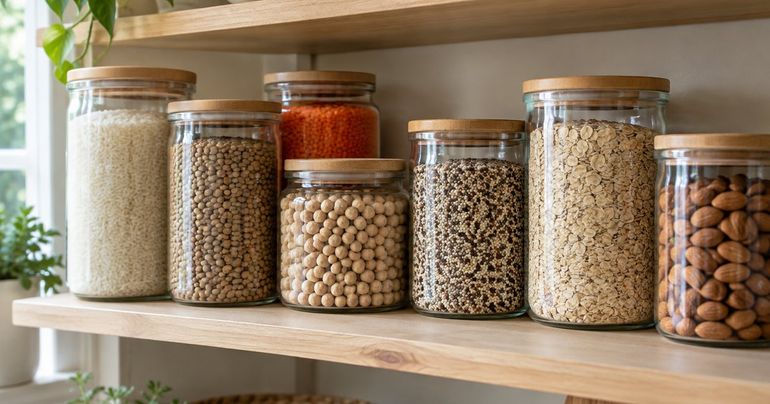
- Lentils, chickpeas and beans: cooked until soft, mashed or in a texture suited to your child's age.
- Iron-fortified baby cereals: read the label to make sure iron is added, and choose ones with no added sugar.
- Whole grains: such as oats and quinoa.
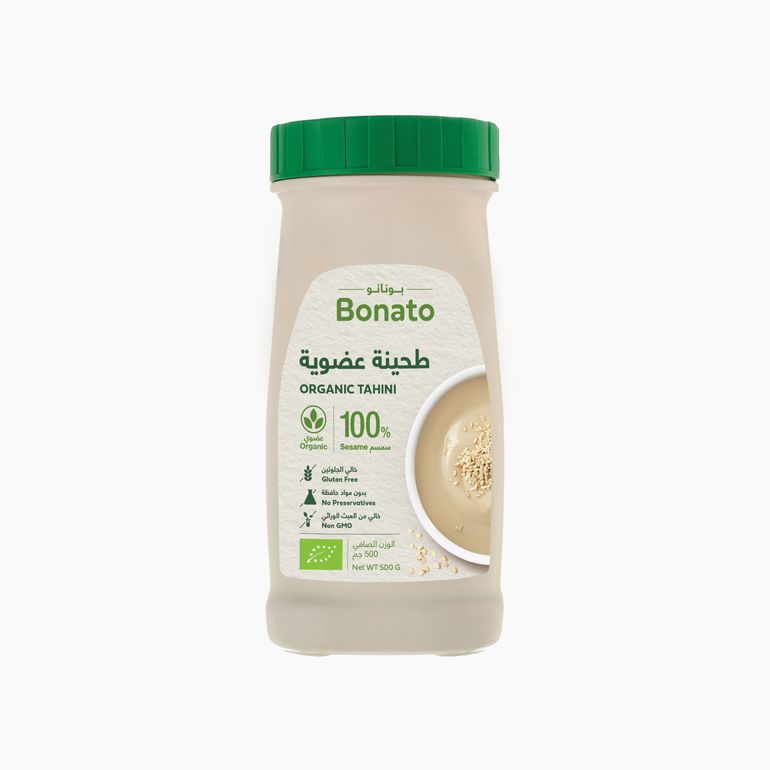
- Tahini and smooth nut butters: a thin amount mixed into food.
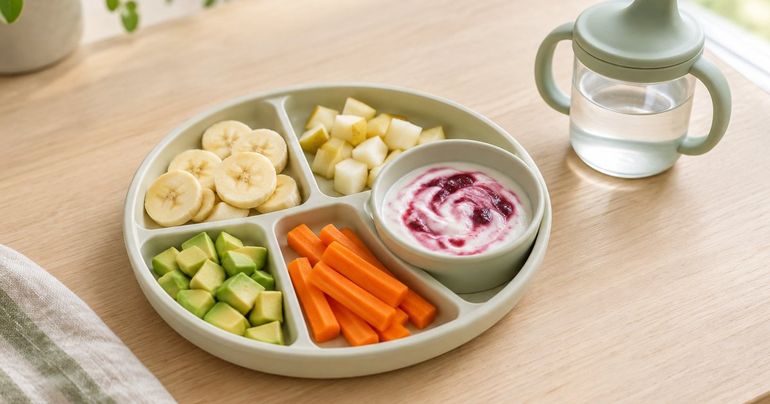
Tip: aim for at least one iron source at most of your child's meals, paired with something that contains vitamin C, such as tomatoes, broccoli, strawberries or oranges. According to NIH, this improves absorption of plant iron.
Milk: the most common mistake behind low iron
According to the NHS, breast milk or first infant formula is a baby's main drink in the first year. Pasteurised whole cow's milk can be used in small amounts in cooking from 6 months, but it should not be given as a drink before 12 months.
After the first birthday, the American Academy of Pediatrics (AAP) recommends no more than 16 to 24 ounces of milk a day (about 470 to 710 ml). Milk is low in iron, and a child who drinks a lot of it fills up and eats fewer iron-rich foods. The AAP suggests offering milk with meals, after your child has eaten some solid food, rather than as a snack.
Foods that are not suitable for babies
- Honey before 12 months: according to the NHS, it can cause infant botulism.
- Whole nuts before age 5: a choking risk. Offer them ground or as a smooth butter.
- Unpasteurised milk.
- Added salt or sugar in baby food.
Note: do not give your child an iron supplement unless a doctor prescribes it after testing. According to NIH, accidental overdose of iron-containing products is a leading cause of fatal poisoning in children under 6, so keep any iron supplement out of their reach.
When should you see a pediatrician?
According to NIH, some children are more likely to become iron deficient and deserve closer follow-up:
- Babies born prematurely or with low birth weight.
- Babies who started solids late, or whose diet has little variety.
- Children who drink a lot of milk and eat little after their first birthday.
- Vegetarian families who eat no meat or fish.
If you notice ongoing tiredness, paleness, low activity, a clear loss of appetite or slow growth, do not assume the cause or start a supplement on your own. A doctor can order a simple blood test and decide whether treatment is needed and at what dose. If a supplement is prescribed, stick exactly to the dose and duration, because too much can cause problems such as stomach upset and constipation.
Iron-rich meal ideas
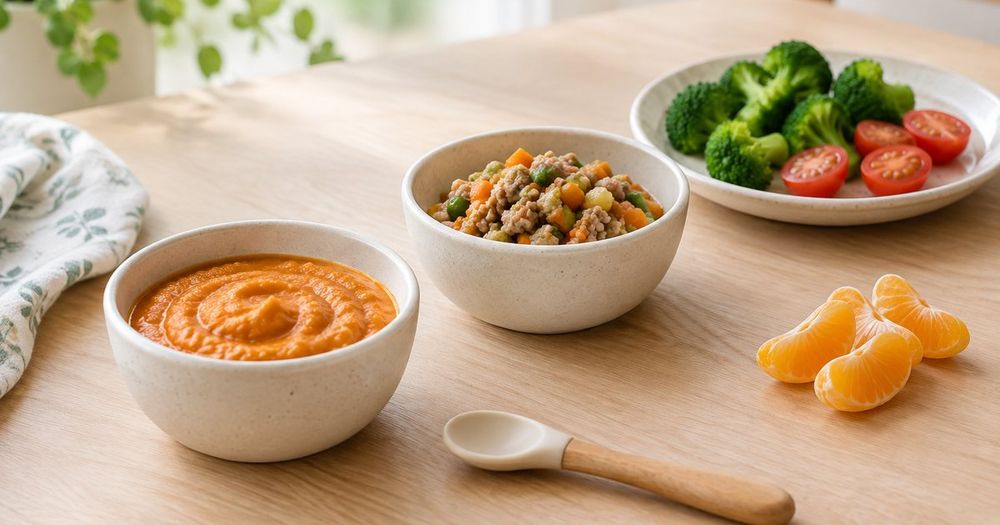
- Red lentil puree with squash and tomato: for the start of solids, and the tomato helps absorption.
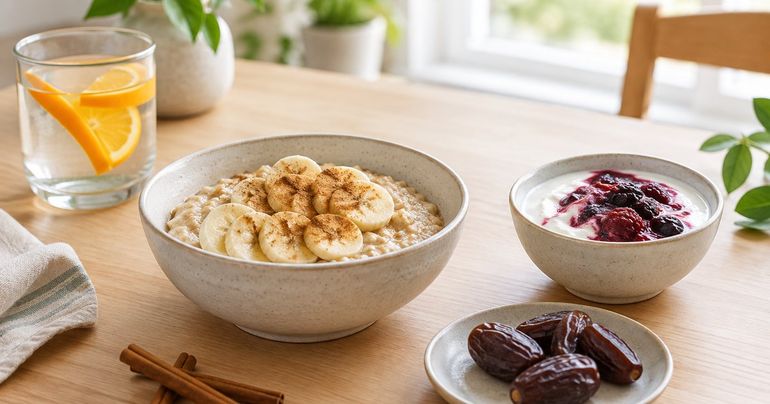
- Fortified baby cereal with mashed fruit: a quick breakfast, with vitamin C from the fruit.
- Soft meatballs in tomato sauce: finger food for children starting to feed themselves.
- Chickpeas mashed with tahini and soft cooked vegetables: an iron-rich plant meal.
- Quinoa with minced chicken and broccoli: a complete meal for older children.
What suits you from Green Spot?
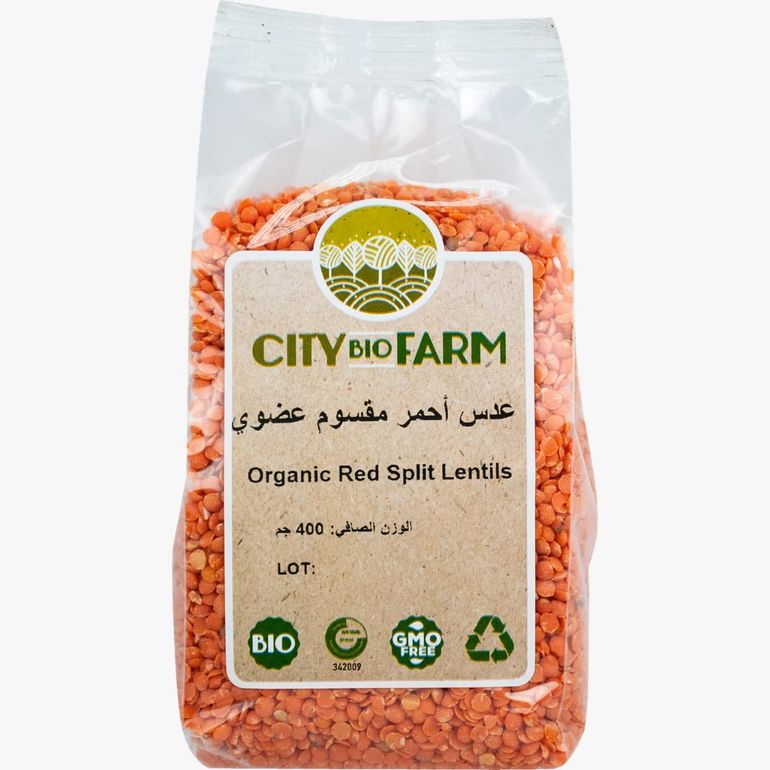
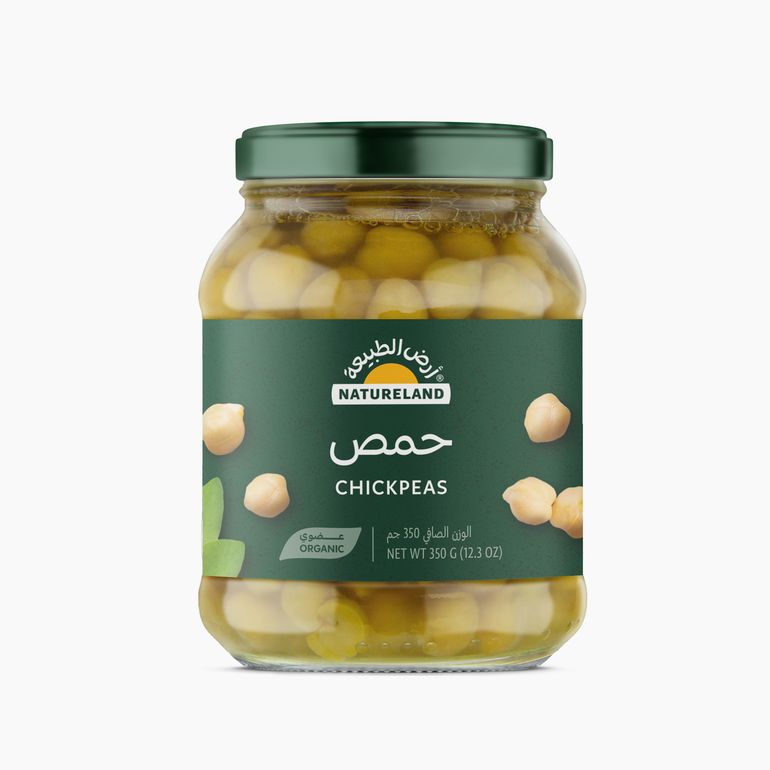
- For pulses: City Bio organic red split lentils, which cook quickly and mash easily, and Natureland organic chickpeas.
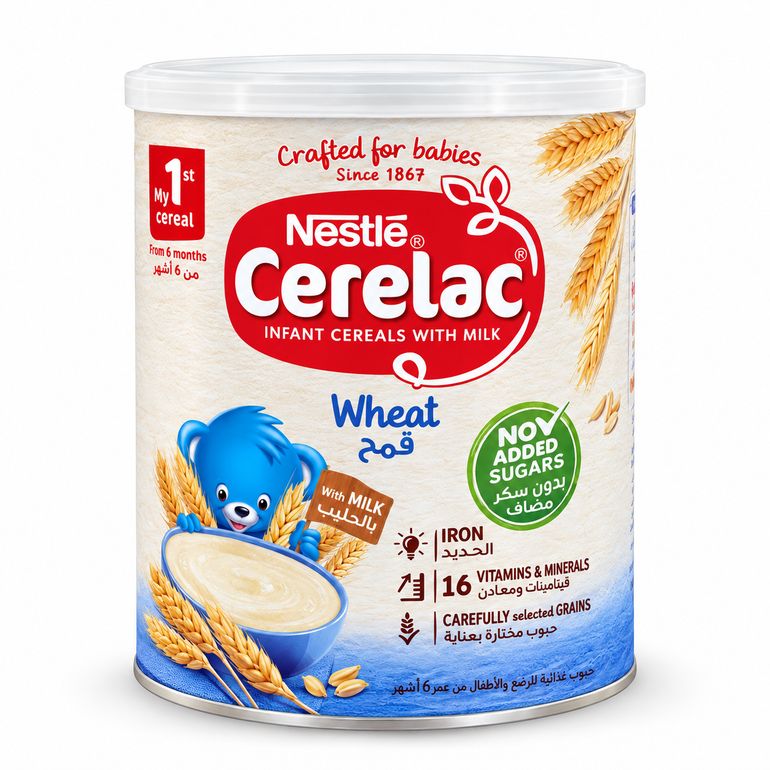
- For breakfast: Cerelac wheat and milk baby cereal with no added sugar. Check the label for added iron and the suitable age.
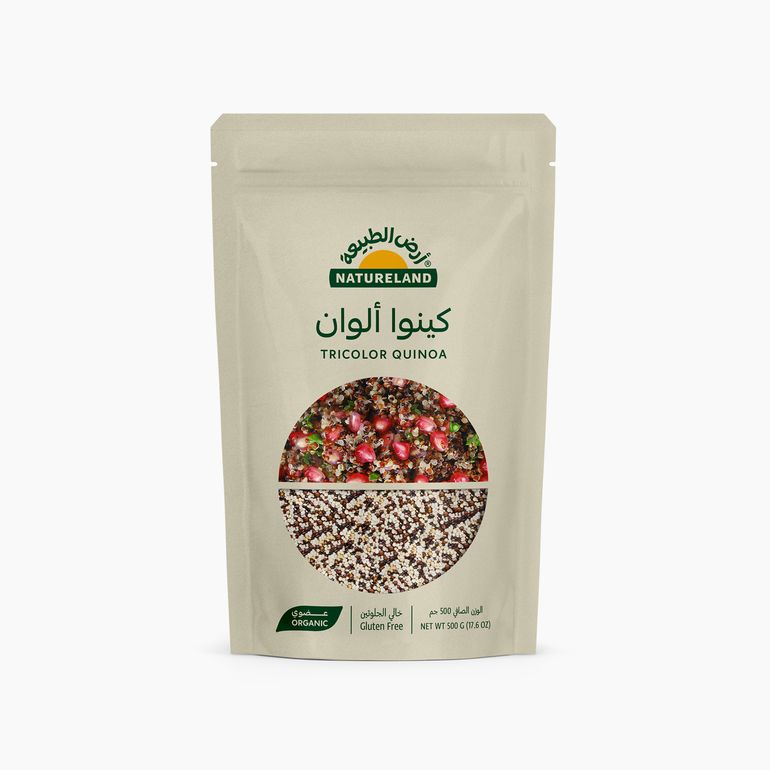
- For whole grains: Natureland organic tricolor quinoa.
- For extras: Bonato organic tahini, a thin amount mixed into food. Sesame is a common allergen, so offer a small amount the first time and watch for a reaction.
If your child was born prematurely, had a low birth weight or has a chronic condition, their needs may differ, so follow up with your pediatrician.
Frequently asked questions
When should I start iron-rich foods?
When solids begin, around 6 months, because iron stores start to run low between 6 and 9 months.
How do I know if my child is low in iron?
Mild deficiency usually has no symptoms, and low iron is confirmed by a blood test. If you notice tiredness, paleness or poor appetite, see your pediatrician.
Is spinach a strong source of iron?
It contains plant iron, but the body absorbs it less well than iron from meat. It helps as part of a varied diet, together with foods that contain vitamin C.
The bottom line
Offer a variety of iron sources at your child's meals from 6 months, pair them with vitamin C, and keep milk within limits. Start with organic lentils and the pulses and grains at Green Spot, and see a doctor before any supplement.
References
- NIH Office of Dietary Supplements. Iron: Fact Sheet for Consumers. ods.od.nih.gov
- NHS. Your baby's first solid foods. nhs.uk
- NHS. Foods to avoid giving babies and young children. nhs.uk
- American Academy of Pediatrics (HealthyChildren.org). Your Toddler Only Wants Milk? healthychildren.org
- British Dietetic Association. Complementary feeding (weaning). bda.uk.com