
In short: A real White Friday deal saves you money on something you actually need and can finish before it expires. Before paying, check three things: the store is trustworthy and the before and after prices are clear, the unit price (per 100 g or per serving) is genuinely lower than the alternatives, and the expiry date gives you enough time. Don't let the word "healthy" or a big discount percentage decide for you; read the label.
During White Friday, screens fill up with big discount percentages, countdown timers and phrases like "last piece". That atmosphere is designed to make you decide quickly. With health products, a quick decision can cost you more: a protein tub that doesn't suit you, a stack of snacks that expires before you finish it, or a discount on a price that was raised in the first place. This article isn't about which product you need, but about how to read the offer itself: is it real, is it actually cheaper, and does it fit how much you use?
First: shop from a trustworthy store with a clear offer
In Saudi Arabia the Ministry of Commerce regulates sales and promotional offers in both physical shops and online stores, aiming to limit fake and misleading offers. Things you can check yourself as a shopper:
- A known store: one with a commercial registration and clear contact details, which you can verify through the ministry's website or the Maroof platform.
- Price before and after: discounted products must show the price before and after the reduction.
- Return policy: the store must clearly disclose its exchange and return policy during the sale, and manufacturer warranties still apply.
- Freedom of choice: shoppers can't be forced to buy a promotional bundle to get an item.
If you suspect an offer, you can report it through the Commercial Report (Balagh Tijari) app or the unified number 1900.
Tip: Two weeks before the season, screenshot the prices of products you plan to buy. On sale day, compare the new price with your screenshot; it's the easiest way to tell whether the discount is real or the "before" price was inflated.
Second: how to spot a fake discount
A fake discount shows a "before" price that was never the product's real price, making the saving look bigger than it is. The US Federal Trade Commission, for example, treats a comparison with a former price as misleading if that price wasn't genuinely offered in good faith for a reasonable period, and it also warns about trivial "reductions" advertised as big savings. Saudi rules aim at the same goal: genuine offers without price manipulation or misleading claims.
Signs worth watching for:
- A very large discount on a product whose sale price is close to its usual everyday price.
- A "before" price you've never seen on the product.
- A countdown timer that restarts every time you open the page.
- A discount on a bundle where each item works out more expensive than buying it on its own.
Third: compare the unit price, not the pack price
The common belief is that a bigger pack is always cheaper, but that isn't always true. The UK Competition and Markets Authority analysed grocery prices and found that bigger packs usually have a lower unit price, but not in every case, and it also found promoted products whose unit price was equal to or higher than other sizes not on promotion. Older research from Purdue University found that many shoppers buy the larger size assuming it's cheaper without comparing prices.
The fix is simple: work out the price per 100 g, per serving or per piece.
| Product | How to work out the unit price | Note |
|---|---|---|
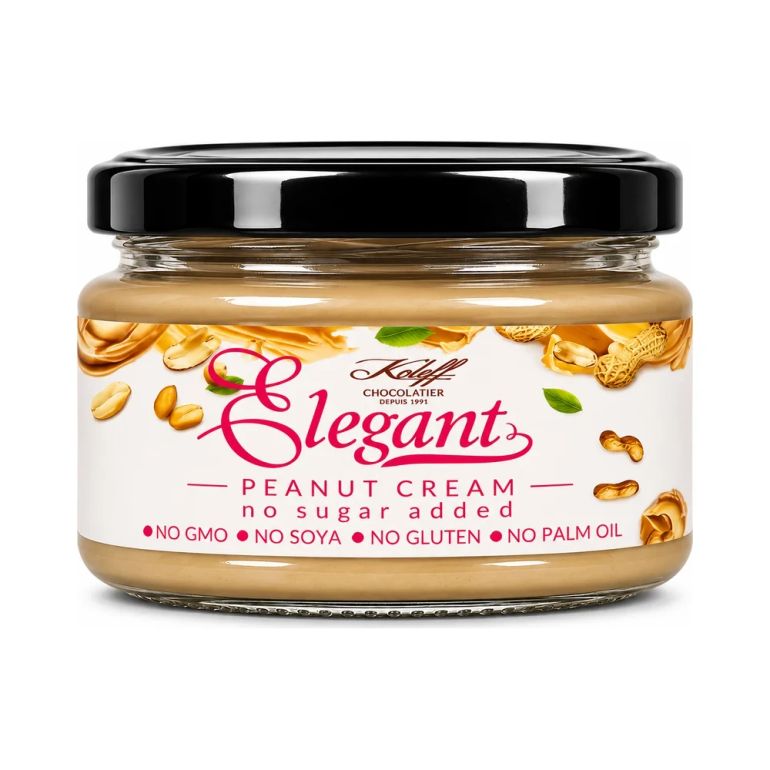
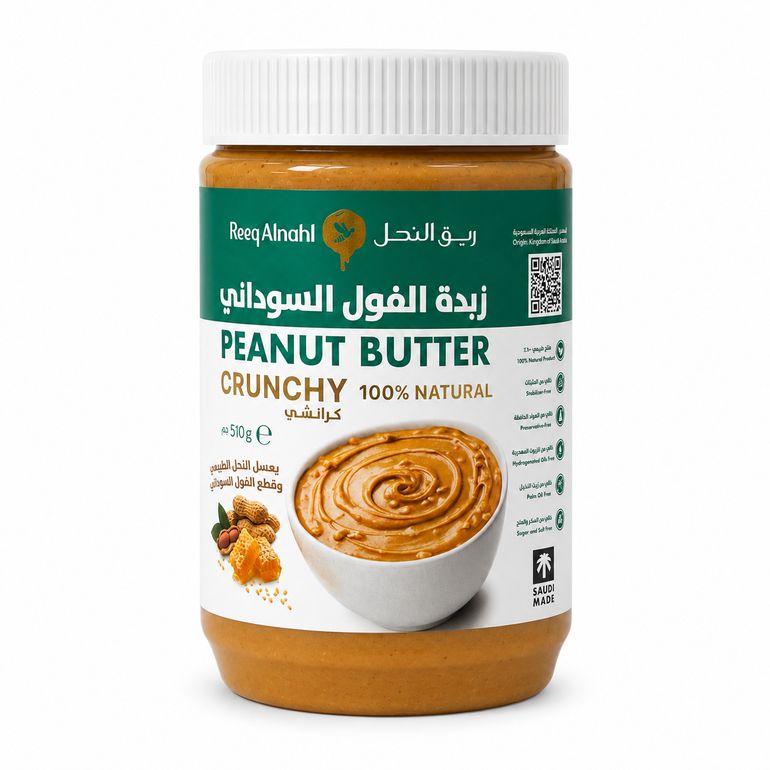
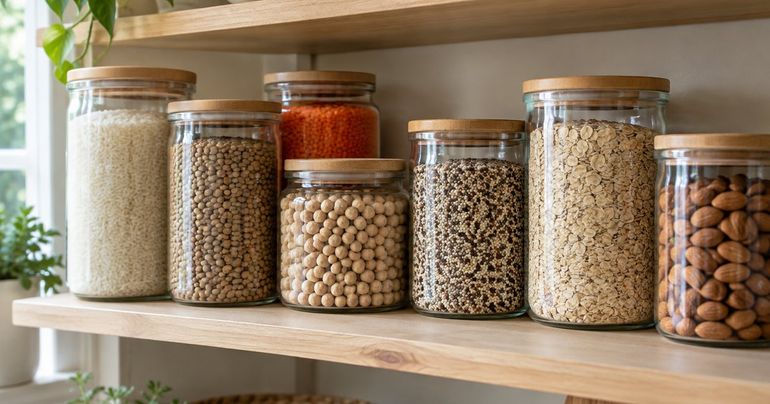
| Oats, nuts, peanut butter | Price ÷ weight in grams × 100 | Compare the same type (roasted/raw, sweetened/unsweetened) |
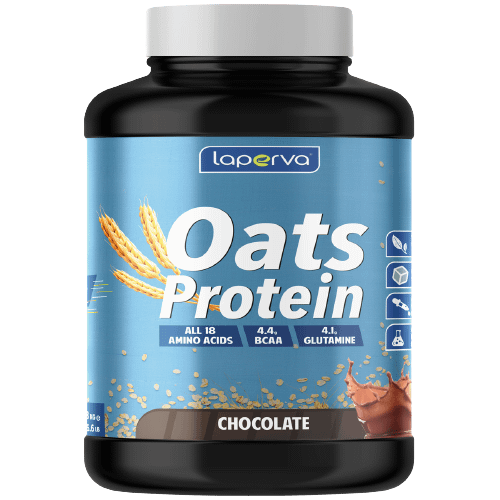
| Protein powder | Price ÷ number of servings, then compare grams of protein per serving | Serving sizes differ between brands |
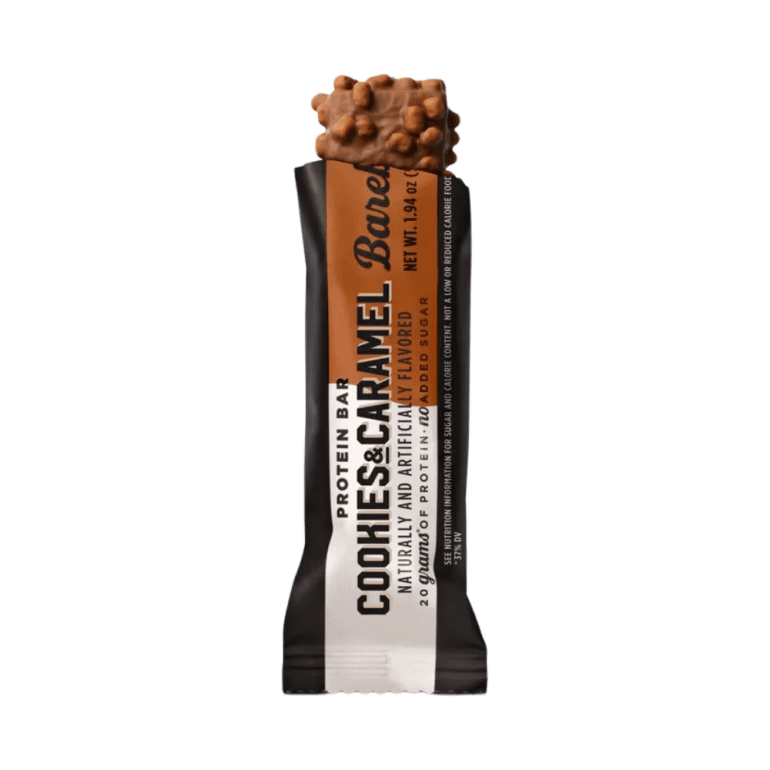
| Protein bars and snacks | Box price ÷ number of pieces | Compare with the single-piece offer |
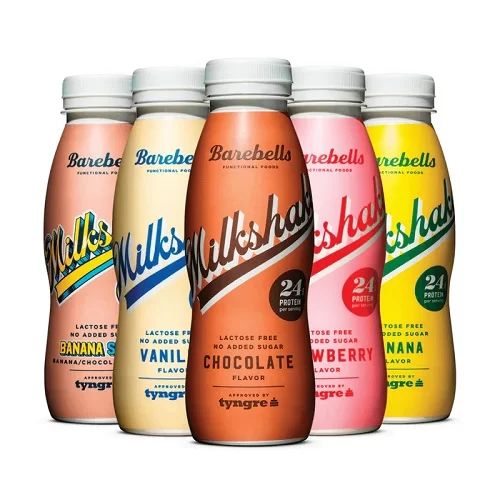
| Drinks and milk | Price ÷ volume in litres | Watch multipacks versus singles |
A hypothetical example: a box of 12 protein bars for 108 riyals works out at 9 riyals per bar. If a single bar is on offer for 8 riyals, the single bar is cheaper even though the box "has a discount". The same idea applies to family size versus small size.
Fourth: products close to expiry
Part of seasonal sales is clearing products near their expiry date. That isn't a problem in itself and can be a real saving, as long as you understand the date and know you'll use the product in time.
- "Best before": according to the US Department of Agriculture it indicates best quality and flavor, not safety. A dry product stored well is usually still fine after it if it shows no signs of spoilage.
- "Expiry" or "use by": stick to it, especially on infant formula, where the date relates to safety and to the nutrient amounts stated on the label.
- In Saudi Arabia: the Saudi Food and Drug Authority treats changing a shelf-life date as adulteration and fines businesses that do it. Any altered date or a sticker placed over an old date is reason enough to refuse the product.
Note: Don't buy large quantities of infant formula or baby food close to expiry, or supplements with a near date if the tub lasts for months. Do the maths: will you finish it before the date at your current rate of use? If not, the discount isn't a saving.
Fifth: "healthy" on the offer doesn't mean healthy for you
Words like "natural", "sugar free" and "high protein" appear often in sale ads. Turn the pack over and read: how much added sugar per serving? How big is the serving? Does the protein in the bar come with a lot of calories? Does it contain sweeteners that bother you? A healthy product is one that fits your needs and diet, not the one with the biggest discount. If you're buying supplements, read our guide to evaluating a supplement before you buy, and for dry pantry staples read our guide to how long healthy pantry staples last.
Sixth: bundles and "buy 2 get 1"
These offers really save money if you use the product regularly, like a daily protein bar or oat milk. But they turn into waste if it's a new flavor you haven't tried, or a product that spoils quickly after opening. A practical rule: try a new product with a single piece first, and keep large quantities for products you know and like.
Quick checklist before paying
- Was this product on my list before the season, or am I buying it only because it's discounted?
- Are the before and after prices shown, and is the store trustworthy?
- What's the unit price compared with another size or alternative?
- Is the expiry date long enough for how much I actually use?
- Have I read the label: sugar, serving size, ingredients?
- Do I know the return policy if the product doesn't suit me?
If you answer yes to all of them, it's probably a deal worth taking.
Frequently asked questions
What should I do if I doubt an offer?
Compare the price with an earlier screenshot or another store, and ask the store about the usual price. If you find clearly misleading pricing, you can report it through the Commercial Report app or the unified number 1900.
Is a product close to expiry safe?
If the date hasn't passed and the pack is intact and well stored, it's usually safe. What matters is using it before the date and avoiding large quantities.
How do I know the "before" price is real?
The easiest way is to follow the product's price for a few weeks before the season and keep a screenshot. If you find a clearly inflated "before" price, you can report it through the official channels.
Is the bigger pack always cheaper?
No. Work out the unit price; sometimes the small pack on offer is cheaper than the big one.
References
- Saudi Ministry of Commerce. 9 controls for commercial sales in businesses and online stores (Arabic).
- Saudi Food and Drug Authority. Fine for tampering with poultry shelf-life dates (2024, Arabic).
- USDA FSIS. Food Product Dating.
- UK Competition and Markets Authority. Groceries Unit Pricing: Pricing Analysis (2024).
- US Federal Trade Commission. Guides Against Deceptive Pricing, 16 CFR Part 233.
This article is for general education, and regulations may be updated; always check the Ministry of Commerce website for the current rules.