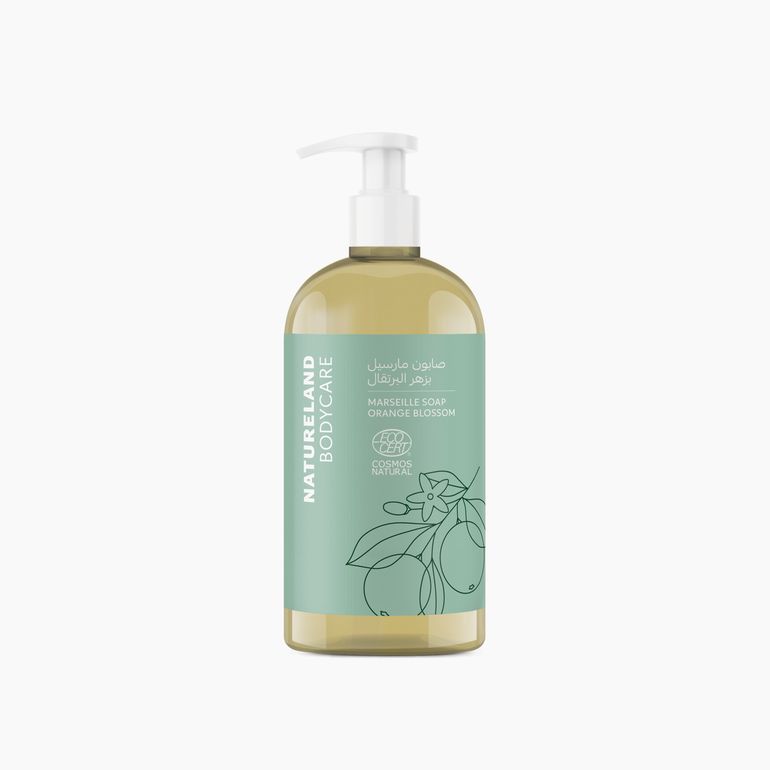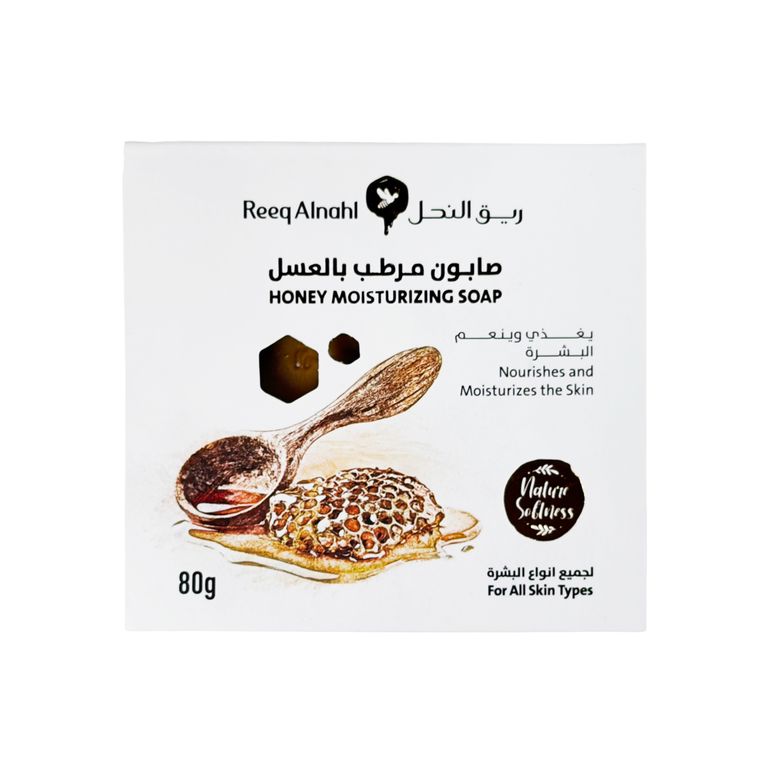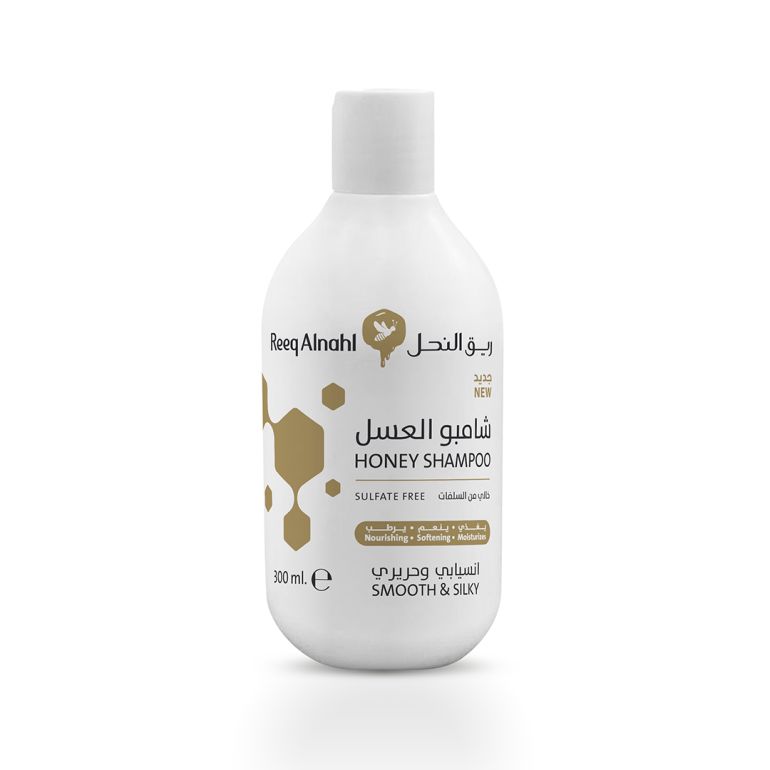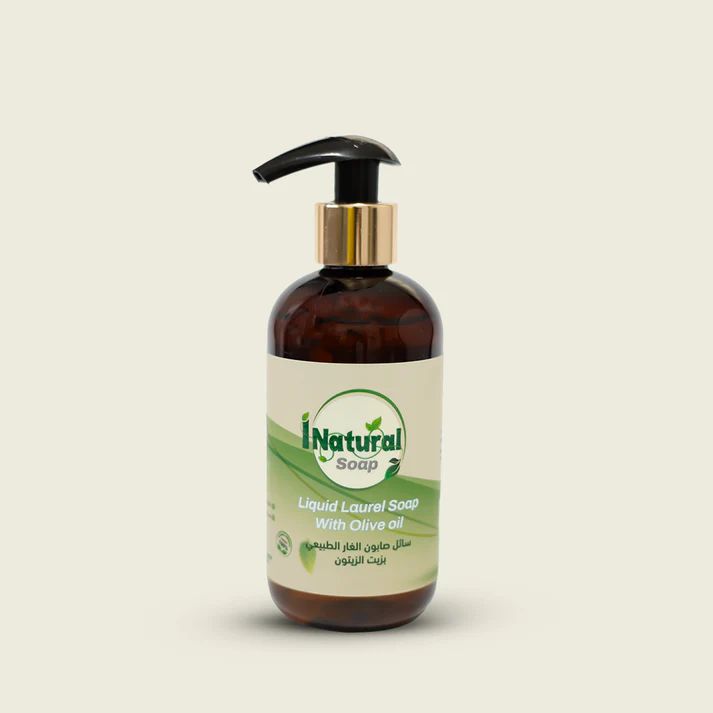

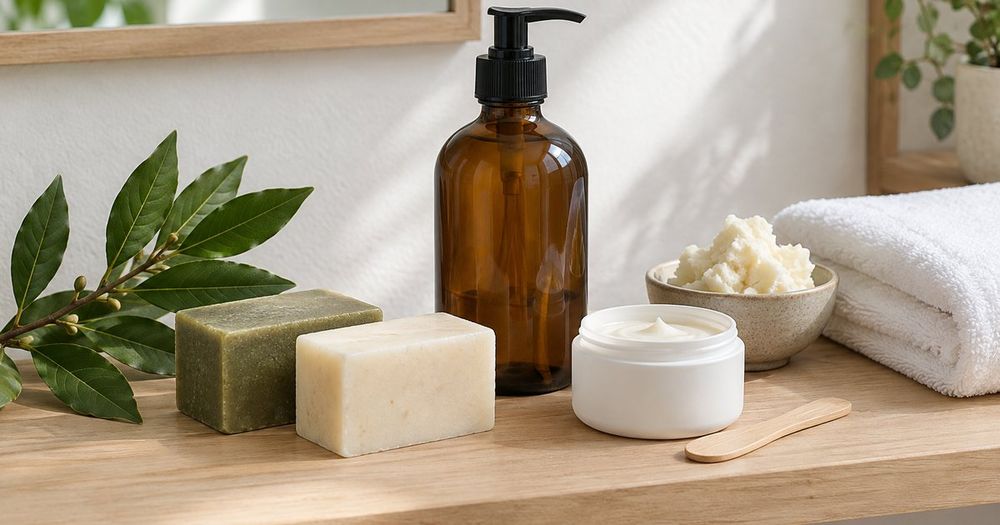
In short: "Natural" on personal care products has no single legal definition and does not automatically mean gentler on your skin. Read the ingredient list (largest amount first), watch for fragrance and essential oils, which are among the most common causes of skin allergy, test any new product on a small area first, and in sales buy only what you can finish before it expires after opening.
Sales are when people stock up on "natural" soaps, shampoos, deodorants and body creams. A product that irritates your skin or spoils before you finish it is a loss whatever the discount. This guide focuses on reading the label itself. For checking whether the discount is real, see our White Friday deals guide.
What "natural" and "organic" really mean
The US FDA says it does not define "natural" or "organic" for cosmetics; "organic" is only regulated when a certified agricultural standard applies to the agricultural ingredients, and the product still follows ordinary cosmetic safety rules. In Saudi Arabia, cosmetics are overseen by the SFDA whatever they are called. In practice, "natural" is mostly a marketing word, so judge by the ingredient list.
Reading the ingredient list
- Order: ingredients are usually listed from most to least; the first five or six make up most of the product.
- INCI names: Butyrospermum Parkii is shea butter; Aqua is water. A star botanical near the end is present in small amounts.
- Parfum/Fragrance can hide a mix of many scent chemicals.
- Preservatives are needed in water-based products to prevent microbial growth.
Fragrance and essential oils
The American Academy of Dermatology lists fragrance among the most common causes of allergic contact dermatitis from skin care. Essential oils such as tea tree, lavender and citrus are potent fragrance materials too, especially once oxidised. For sensitive or eczema-prone skin, fragrance-free is safer than "natural" and scented. "Unscented" may mean a masking scent was added, and the FDA notes "hypoallergenic" has no binding standard.
Parabens
The FDA says it has no information showing parabens at levels used in cosmetics affect human health; the EU has banned some and capped others. "Paraben-free" means another preservative is used, and some alternatives cause more allergies in some people. A water-based product with no preservative spoils faster.
Tip: Before using a new product fully, apply a little to the inner forearm or inside of the elbow twice a day for 7–10 days, as the AAD advises. Stop if you see redness, itching or swelling.
Shelf life after opening
The open-jar symbol with 6M or 12M is the PAO (Period After Opening) mark used under EU rules: the months a product stays good once opened, separate from the printed expiry date for the sealed pack. When buying several, make sure the last one you open is still in date. Signs of spoilage: changed smell or colour, separation or graininess. Keep products out of hot cars and use a clean spatula for jars.
Soap, shampoo and deodorant
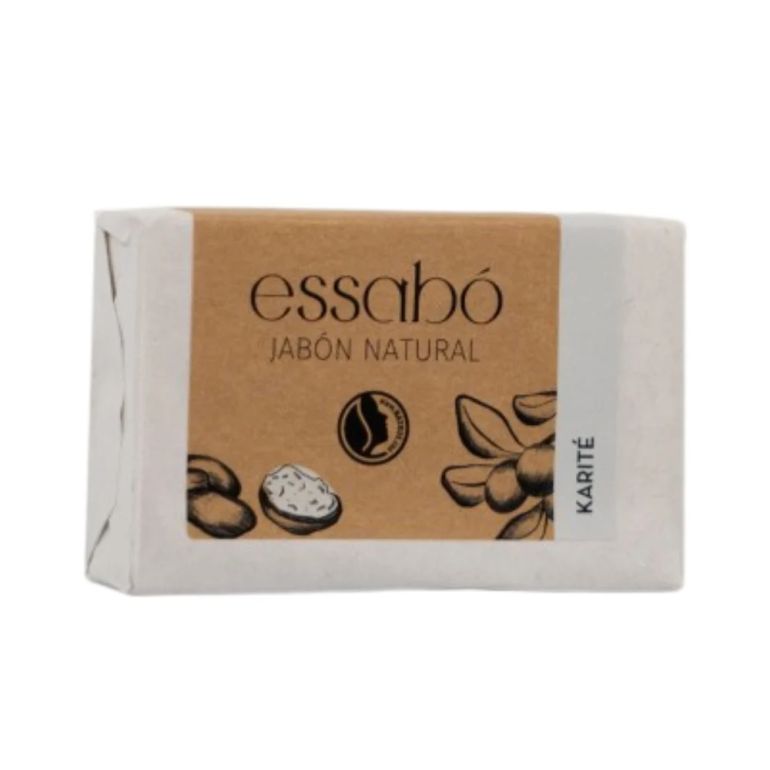
Traditional soaps (laurel, olive oil, shea) are slightly alkaline and can feel drying on dry or sensitive skin; many modern body washes are milder synthetic cleansers. Some people find SLS shampoos irritating and prefer sulfate-free, a personal choice rather than a rule. Honey or shea improve feel but don't treat hair loss or dandruff. For deodorant vs antiperspirant, read our natural deodorant guide.
Note: Stop a new product and see a doctor for a spreading rash, facial or lip swelling or severe itching, and seek urgent help if breathing is affected. For babies and young children choose fragrance-free products and avoid essential oils unless a doctor advises.
Quick checklist before buying in a sale
- Do I need it, or is the discount the reason?
- What are the first five ingredients, and is there fragrance?
- Have I tried it before, or should I buy one first?
- What does the PAO say, and how long will the quantity last?
- Does the expiry date cover the last pack I'll open?
References
- FDA. "Organic" Cosmetics.
- FDA. "Hypoallergenic" Cosmetics.
- FDA. Parabens in Cosmetics.
- AAD. How to test skin care products.
- EU. Regulation (EC) No 1223/2009 on cosmetic products.
This article is for general education and does not replace advice from a dermatologist.