
In short: A deodorant only reduces odor, while an antiperspirant reduces the sweat itself, usually with aluminum salts. The US National Cancer Institute says there's no scientific evidence linking these products to breast cancer, but people with advanced kidney disease are told to ask a doctor before using aluminum products. Switching to a natural deodorant is a perfectly reasonable personal choice; expect to sweat normally because it doesn't stop sweat, and choose a gentle formula if your skin is sensitive.
Many people consider switching from a regular antiperspirant to a "natural" deodorant, either because of what they've heard about aluminum or because they prefer simpler ingredients. The decision itself is reasonable, but there's a lot of inaccurate information around it, such as the idea of an "armpit detox". This article explains the difference between the two products, what the evidence says about safety, and how to make the switch easier on your skin.
Deodorant vs antiperspirant: what's the difference?
Sweat itself is almost odorless. Odor appears when bacteria that naturally live on the skin feed on sweat components in the warm underarm area. So there are two ways to deal with it:
- Deodorant: reduces odor by cutting bacteria, masking smell with fragrance or absorbing moisture. It doesn't stop sweat. In the US, the FDA classifies it as a cosmetic.
- Antiperspirant: usually contains aluminum salts that temporarily plug sweat ducts so you sweat less, and because it changes a body function the FDA classifies it as an over-the-counter drug.
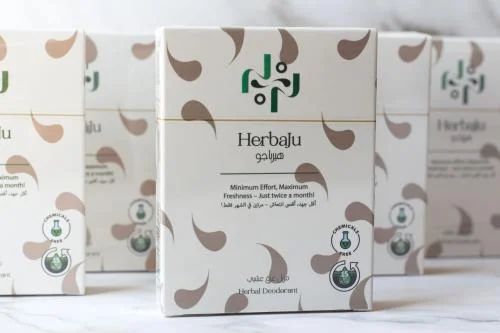
Many products combine both and say "antiperspirant deodorant". Most products called "natural deodorant" are deodorants only, meaning they won't stop you sweating.
Does aluminum cause breast cancer?
This is the question that drives most people to switch. According to the US National Cancer Institute (NCI), no scientific evidence links the use of antiperspirants or deodorants to the development of breast cancer. The NCI notes that a 2014 review found no clear evidence that aluminum-containing antiperspirants increase risk, and that a 2002 study found no increased risk even among women who used them right after shaving.
The NCI also notes that parabens have been found in some breast tumor samples, but there's no evidence that they cause cancer. The bottom line: science doesn't support the idea that antiperspirant causes breast cancer, though research continues. Switching to an aluminum-free deodorant is an understandable personal choice, but according to current evidence it isn't necessary for cancer prevention.
Who really should avoid aluminum?
There's one clear group: people with kidney disease. The US FDA requires antiperspirants to carry the warning: "Ask a doctor before use if you have kidney disease". That's because diseased kidneys may not clear aluminum efficiently. For a healthy person, very little aluminum is absorbed through the skin.
Note: If you have chronic kidney disease or are on dialysis, talk to your doctor before using any aluminum-containing product. And if you have very heavy sweating that affects daily life (hyperhidrosis), a natural deodorant probably won't be enough; see a dermatologist, because effective treatments exist.
The "armpit detox": fact or myth?
A popular idea says the armpit needs weeks to "flush out toxins" after you stop using antiperspirant. There's no scientific evidence that the underarm stores toxins that need removing. But there's a simpler explanation for what some people notice in the first days: when you stop antiperspirant, your sweat glands go back to sweating normally, so you feel more moisture, and skin bacteria may shift slightly so you notice a different smell. This adjustment is normal and usually settles with time, and you don't need "detox masks" or special products.
How to make the switch easier
- Pick a good time: start on cooler or less active days, not right before an important event.
- Daily hygiene: wash your underarms with water and a gentle soap and dry well before applying; moisture helps bacteria.
- Apply to dry skin: and reapply midday if needed.
- Breathable clothes: cotton and linen are better than synthetics that trap sweat and odor.
- Hair removal: hair holds moisture and bacteria, so trimming may reduce odor, but don't apply deodorant to nicked skin right after shaving.
- Be patient and experiment: what suits one person may not suit another; you may need to try more than one formula.
Tip: If odor is bothersome in the first days, wash your underarms midday with water and a gentle soap, dry them, then reapply deodorant. This simple step works better than piling on more product.
Ingredients: what to look for and what to watch
Ingredient | Role | Note |
|---|---|---|
Sodium bicarbonate (baking soda) | Reduces odor | Effective but alkaline; can cause redness and itching on sensitive skin |
Corn starch or arrowroot | Absorbs moisture | Usually gentle |
Essential oils | Scent and antibacterial effect | A common cause of skin allergy |
Alum stone | Reduces bacteria and odor | It's itself an aluminum salt (potassium alum), so not fully "aluminum-free" |
Shea butter and coconut oil | Moisture and texture | May leave marks on clothes |
If you get redness, itching or bumps after using a natural deodorant, the cause is often baking soda or a fragrance. Stop the product and choose a soda-free, fragrance-free formula. If irritation persists or sores appear, see a doctor.
How to choose the right product for you
- If odor is your only concern: a gentle natural deodorant is usually enough.
- If you sweat a lot or work in a hot environment: you may need an antiperspirant, which is fine for a healthy person, or combine both depending on the day.
- If your skin is sensitive: look for a formula without baking soda or fragrance, and patch-test it first.
- If you prefer simple ingredients: read the full list, because some products labelled "natural" contain strong fragrances or preservatives.
Soap and daily care
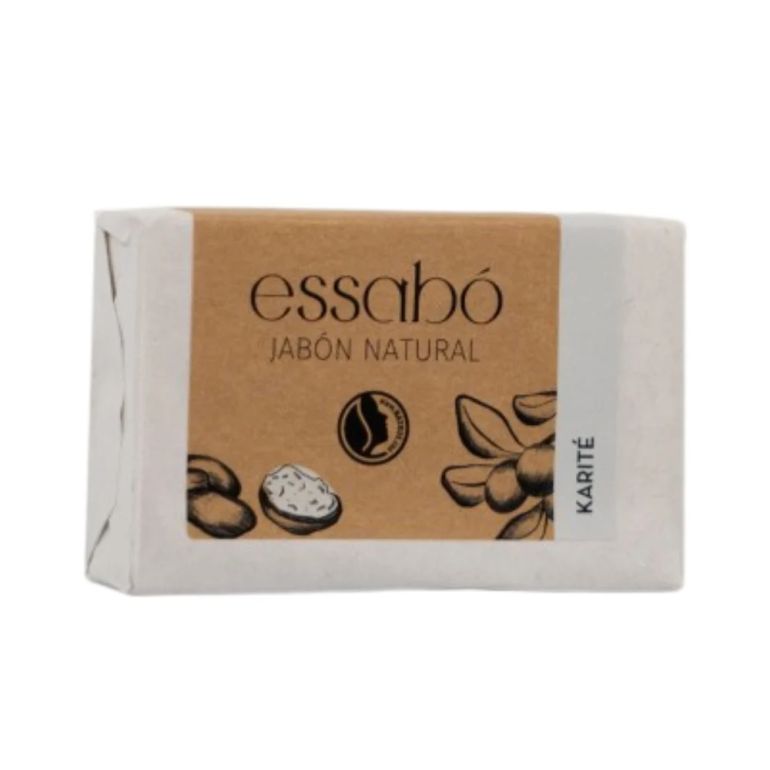
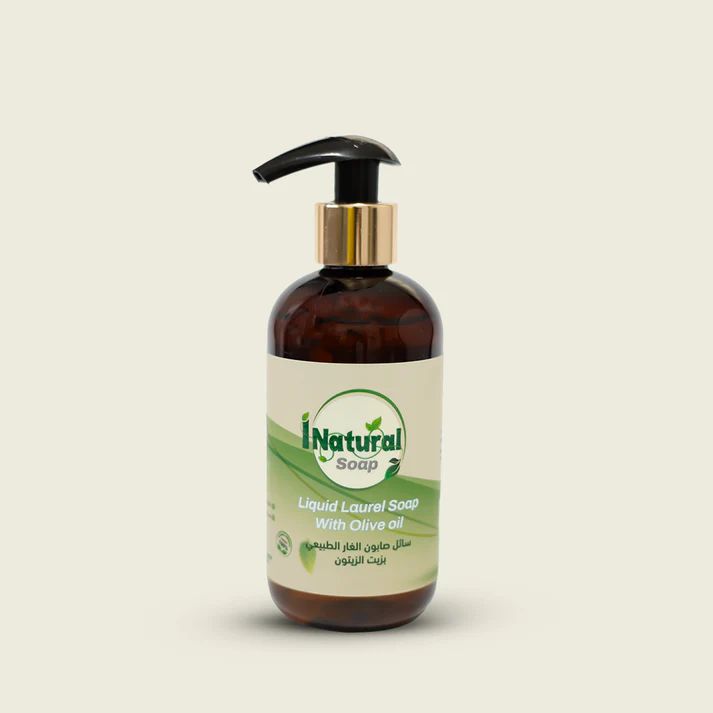
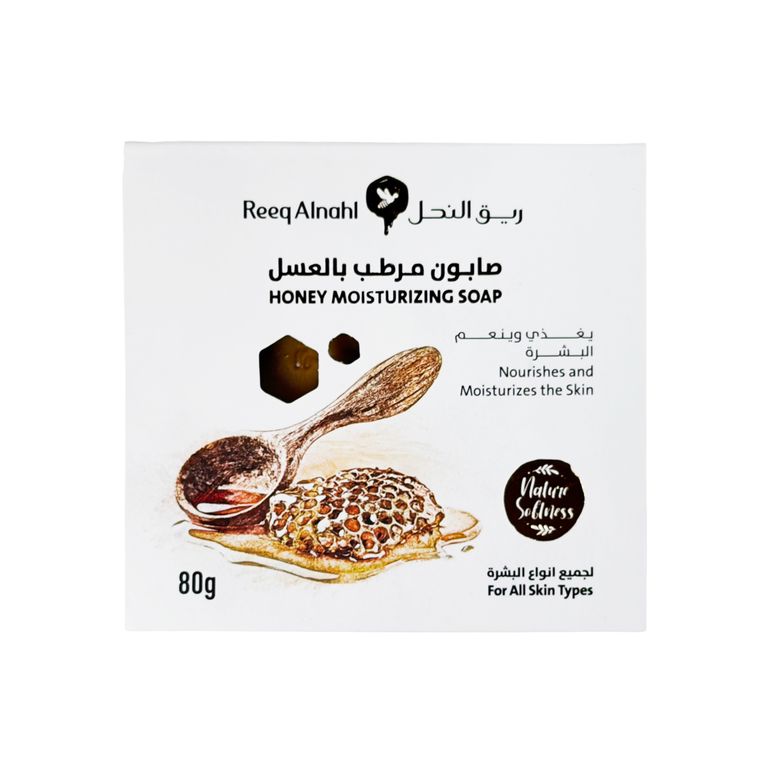
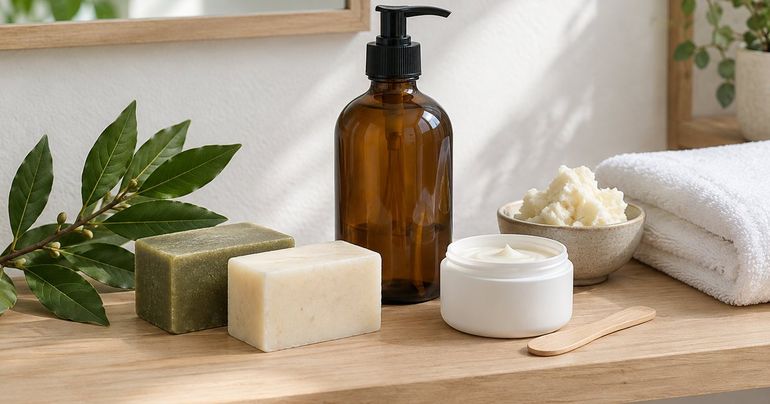
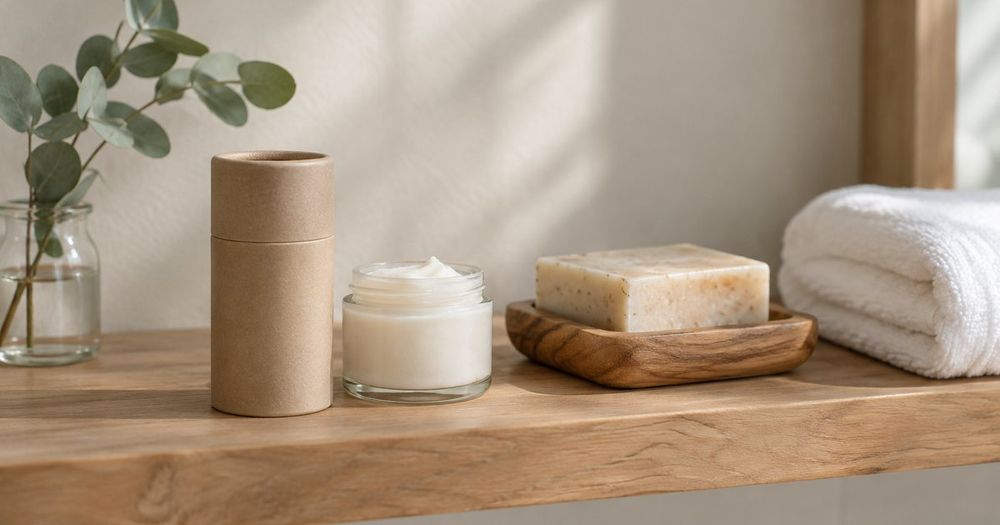
Deodorant is just one part of the picture. Daily showers, a gentle soap, drying the area well and changing clothes after sweating all reduce odor more than any product. Natural soaps with olive oil or shea butter are a good option for people who prefer simple ingredients, keeping in mind that "natural" doesn't always mean better for sensitive skin; testing on a small area first is a good idea.
Frequently asked questions
Does natural deodorant stop sweating?
No. Most natural deodorants only reduce odor. If you need to reduce the sweat itself, you need an antiperspirant.
Is alum stone aluminum-free?
No. Alum is a type of aluminum salt, even though it's sometimes marketed as "natural".
Is it suitable for teenagers?
Yes, gentle deodorants are generally suitable for teenagers, along with daily hygiene.
When should I see a doctor?
If your sweat odor changes suddenly and noticeably, sweating increases a lot for no reason, or you develop persistent irritation or sores in the armpit.
References
- National Cancer Institute. Antiperspirants/Deodorants and Breast Cancer.
- U.S. Food and Drug Administration. Is It a Cosmetic, a Drug, or Both? (Or Is It Soap?)
- American Academy of Dermatology. Hyperhidrosis: Diagnosis and Treatment.
This article is for general education and doesn't replace medical advice.