Parabens, phthalates, BPA and PFAS keep showing up on labels and social media, usually with warnings about hormones. The real picture is more precise than "dangerous" or "safe": regulators have already restricted some of these substances, while others are still debated by scientists. This guide explains where each one is found, what official bodies say about it, and how to reduce your exposure with simple steps and without panic.
In short: These substances are classed as endocrine-disrupting chemicals. A 2012 report by the World Health Organization and the UN Environment Programme linked them to a rise in hormone-related disorders, but the strength of the evidence varies from one substance to another. In 2023 the European Food Safety Authority cut its tolerable daily intake for BPA 20,000-fold, and the EU has banned five types of paraben in cosmetics since 2014. The easiest steps: store food in glass, don't heat food in plastic, and read ingredient lists for the word "Fragrance" and the names of parabens.
What are endocrine-disrupting chemicals?
They are natural or man-made substances that may mimic the body's hormones or interfere with how they work. The "State of the Science" report published by the WHO and the UN Environment Programme in 2012, written by 16 experts from 10 countries, concluded that endocrine-related disorders are increasing and that the evidence on the role of these chemicals had become stronger than in the 2002 report.
In 2024 the Endocrine Society and the IPEN network released a report at the UN Environment Assembly linking exposure to these chemicals with diabetes, neurological and reproductive disorders and weakened immunity. It focused on four sources: plastics, pesticides, consumer products and PFAS.
The key point is that "linked to" does not always mean "causes". Much of the evidence comes from animal studies or population studies that show an association, and regulators themselves disagree on some substances, as the sections below show.
Where are these chemicals found?
Substance | Commonly found in | How to spot it on a label |
|---|---|---|
Parabens | Creams, shampoo, conditioner, deodorant, makeup, as a preservative | Methylparaben, Ethylparaben, Propylparaben, Butylparaben |
Phthalates | Perfumes and air fresheners, nail polish, flexible plastic (PVC) such as shower curtains | Usually not named; often hidden under Fragrance or Parfum; recycling code 3 on plastics |
BPA | Lining of some metal cans, hard clear plastic (polycarbonate), thermal till receipts | Recycling code 7 can include polycarbonate; some products state BPA-Free |
PFAS | Grease-, water- and stick-resistant coatings: some fast-food wrappers, microwave popcorn bags, non-stick pans, stain-resistant fabrics | Rarely listed; look for PTFE or "fluoro" in the ingredients |
Parabens: what have regulators decided?
Parabens are preservatives that stop bacteria and fungi growing in personal care products. The U.S. FDA says the most widely used are methyl-, ethyl-, propyl- and butylparaben, and states that it does not have information showing that parabens as used in cosmetics affect human health, while it continues to review the research.
The European Union has been more cautious. In 2014 it banned five types (isopropyl-, isobutyl-, phenyl-, benzyl- and pentylparaben) for lack of safety data, lowered the maximum for propyl- and butylparaben to 0.14%, and banned both in leave-on products for the nappy area of children under three. The EU's scientific committee has confirmed that methyl- and ethylparaben are safe within the permitted limits.
Tip: "Paraben-free" does not mean "preservative-free". The product still needs an alternative preservative, so read the full ingredient list and patch-test any new product on a small area of skin first, especially if your skin is sensitive.
Phthalates: hiding behind "fragrance"
Phthalates are added to plastics to make them flexible and are also used to help scents last. The U.S. CDC found measurable levels in the urine of most participants in its national survey. It says the health effects of low-level exposure in people are unknown, and that some types have affected the reproductive system of laboratory animals.
The challenge is that they are rarely named on labels because they are part of the fragrance mix. That is why Biomonitoring California advises choosing products that do not list "Fragrance" in their ingredients, avoiding PVC plastic (recycling code 3), washing hands before eating, and dusting with a damp cloth, since these chemicals collect in household dust.
BPA: why did Europe cut its limit 20,000-fold?
In April 2023 the European Food Safety Authority (EFSA) lowered its tolerable daily intake for BPA from 4 micrograms to 0.2 nanograms per kilogram of body weight, after identifying an effect on a type of white blood cell in animal studies. It concluded that current dietary exposure exceeds this limit in every age group. The European Commission then announced plans to ban BPA in food packaging.
The picture is not settled, though. Germany's Federal Institute for Risk Assessment (BfR) disagreed and set a limit 1,000 times higher, concluding that immune effects in humans, if they occur at all, are unlikely at usual exposure levels. A disagreement between two official bodies is a good reason for sensible caution, not for panic.
PFAS: the "forever chemicals"
They are called "forever chemicals" because they break down very slowly in the environment. The Endocrine Society report notes that some PFAS disrupt hormones such as oestrogen and testosterone and impair thyroid function. In February 2024 the FDA announced that grease-proofing PFAS used on paper food packaging, such as fast-food wrappers and microwave popcorn bags, are no longer sold in the U.S. market; it had identified them as the main source of dietary PFAS exposure from food packaging. The FDA still authorises some PFAS for limited uses such as cookware.
Practical steps to reduce exposure
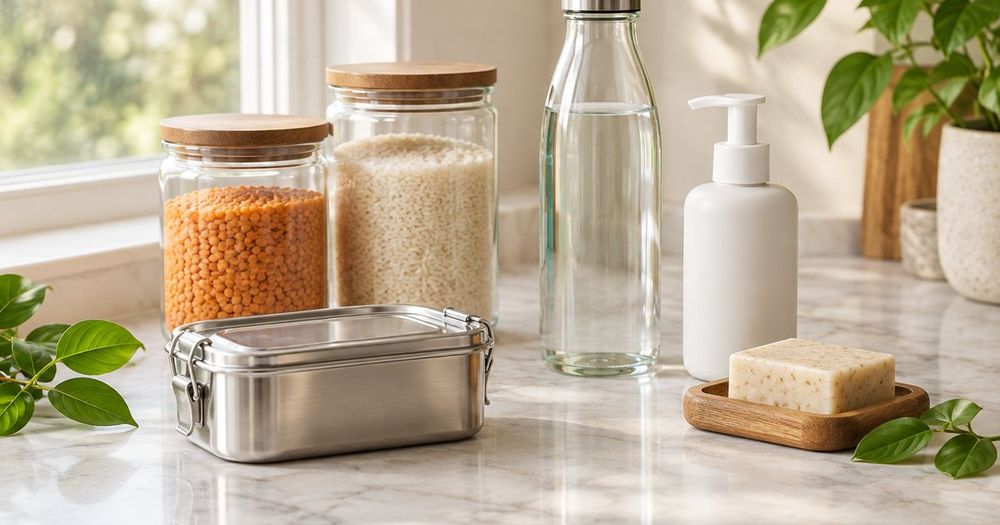
- In the kitchen: store food, especially fatty or hot food, in glass or stainless steel, and don't heat it in plastic tubs. For more on cookware and microwaves, read our guide to setting up a healthy, safe kitchen.
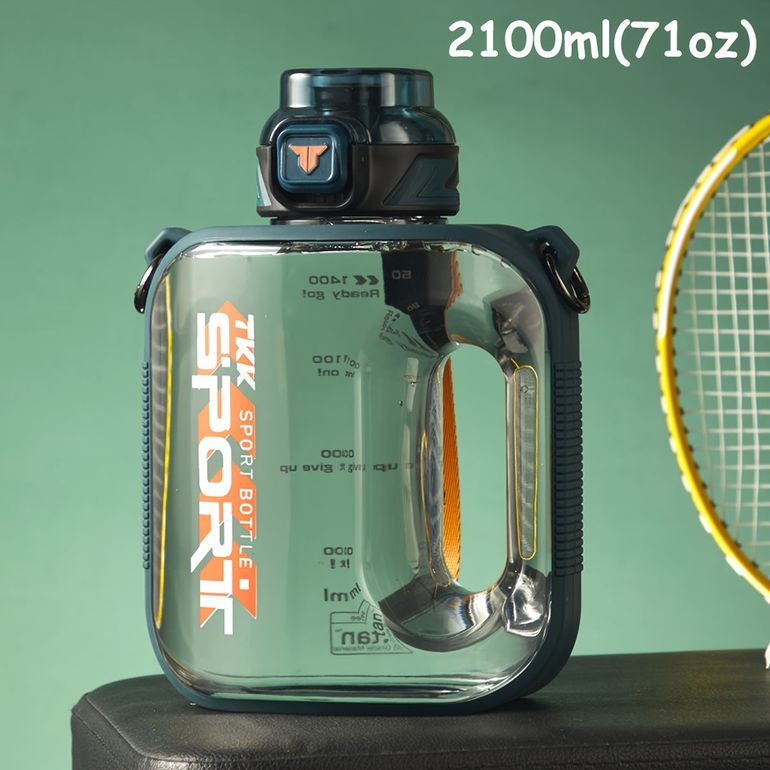
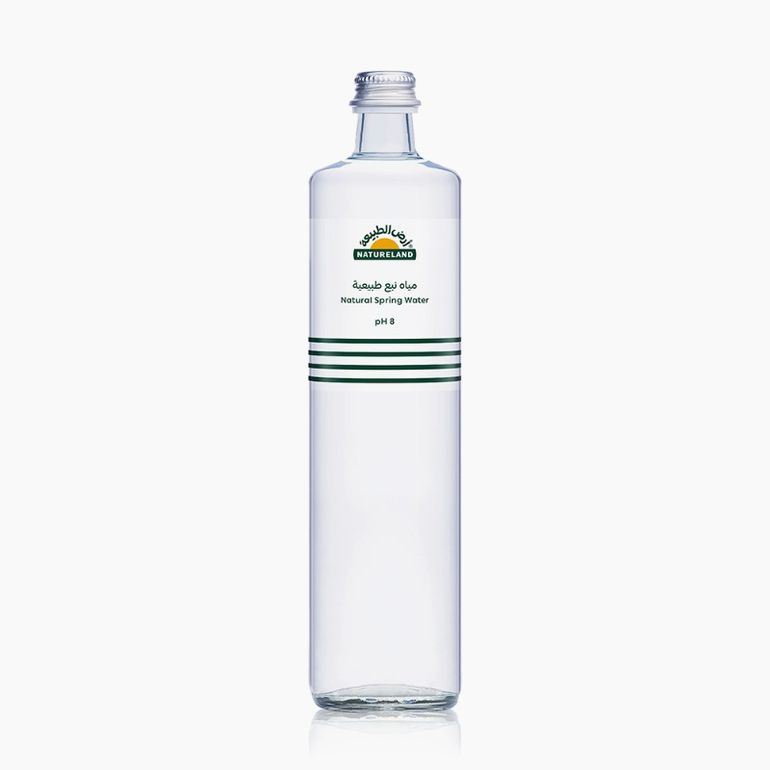
- For drinking water: choose water in glass bottles, such as Natureland spring water in a 700ml glass bottle, and if you need a gym bottle pick one labelled BPA-free, such as the TKK Tritan water bottle.
- Cut back on canned and processed food: swap in fresh, frozen or glass-jarred options where you can.
- In personal care: look for "Paraben-free" and "Fragrance-free", and read the ingredients rather than relying on the front of the pack. Our guide to natural personal care explains how to read these labels in detail.
- At home: use fewer air fresheners, ventilate rooms, and dust with a damp cloth.
- Thermal receipts: skip them if you don't need them, and wash your hands if you handle them often.
Note: Pregnant and breastfeeding women and young children are the groups scientific reports focus on most. If you are pregnant or have a question about a product for your child, ask your doctor or pharmacist rather than relying on social media posts.
How to choose at Green Spot
You don't need to change everything at home at once. Start with the products you use every day that stay on your skin or touch your food:
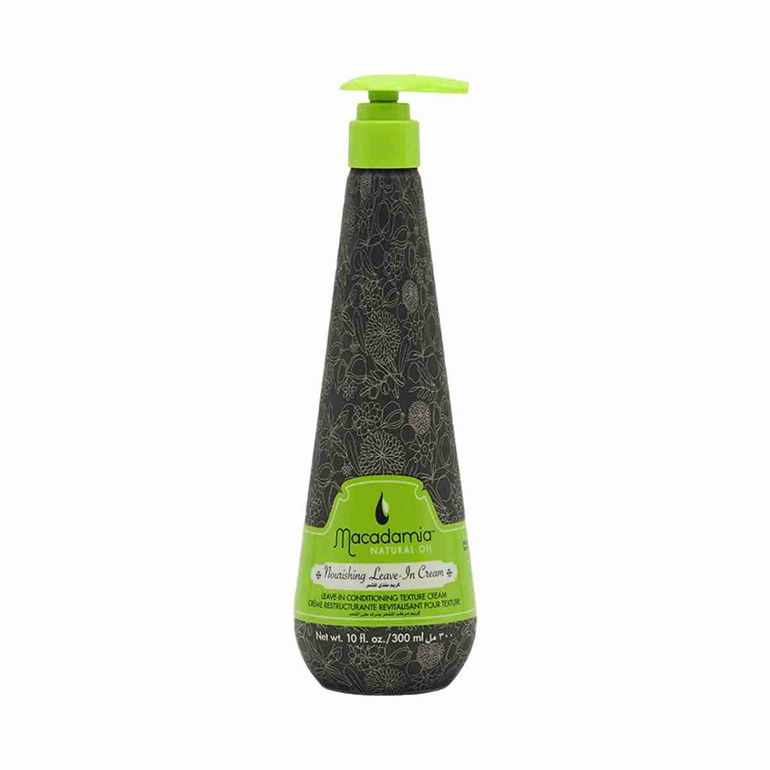
- For hair: the Macadamia nourishing leave-in cream, whose description states it is sulfate-free and paraben-free.
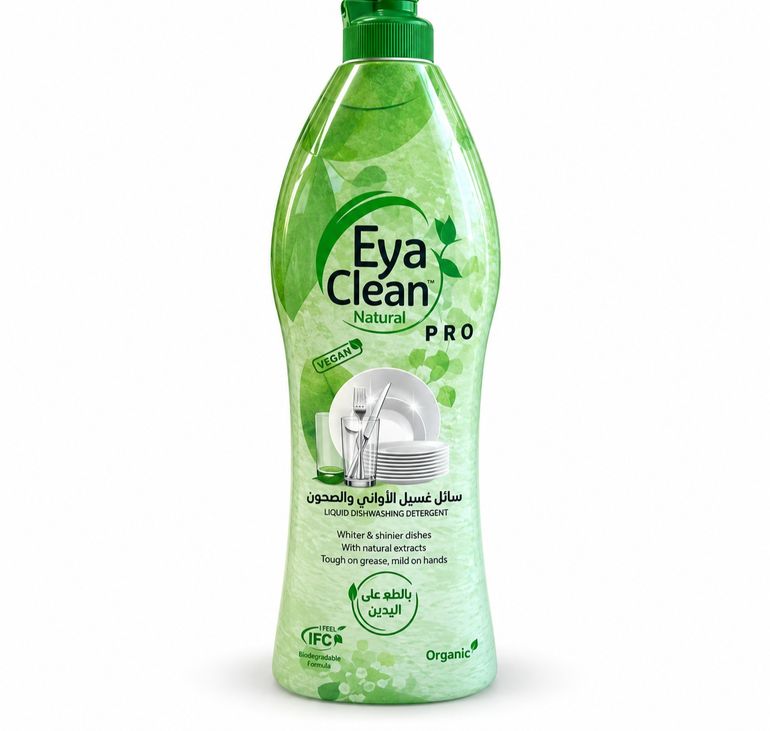
- For the kitchen: Eya Clean fragrance-free dishwashing liquid, a good fit if you want fewer fragrances at home.
You can browse all bath and body products and read each product's ingredients on its page before you buy.
FAQs
Are parabens banned?
Not all of them. The EU ban covers only five types; methyl- and ethylparaben remain permitted within set limits, and the FDA has not banned parabens. Choosing paraben-free is a personal decision for people who prefer to be cautious.
Does "BPA-free" mean completely safe?
It means the product does not contain that specific substance. Either way, it is best not to heat food in plastic and to use glass or stainless steel for hot food.
Should I throw away my non-stick pans?
There is no need to throw everything out at once. If the coating is flaking it has already lost its purpose, and when you buy new you can choose stainless steel, cast iron or ceramic if you prefer to limit exposure to these chemicals.
Are natural perfumes phthalate-free?
Not necessarily. The word "natural" is largely unregulated; it is clearer to look for "Phthalate-free" or for products with no fragrance at all.
Smart reduction beats fear: change one habit this week, and start by reading ingredients in the Green Spot bath and body section before you buy.
References
- WHO / UNEP. State of the Science of Endocrine Disrupting Chemicals – 2012.
- Endocrine Society & IPEN. Endocrine Disrupting Chemicals: Threats to Human Health (2024).
- U.S. FDA. Parabens in Cosmetics.
- European Commission. Regulation (EU) No 1004/2014 and Regulation (EU) No 358/2014 on parabens in cosmetics.
- CDC. Phthalates Factsheet.
- Biomonitoring California. Phthalates.
- Food Standards Australia New Zealand. Bisphenol A (BPA), summarising EFSA's 2023 assessment; BfR, assessment of BPA.
- U.S. FDA. PFAS Used in Grease-Proofing Agents for Food Packaging No Longer Being Sold in the U.S. (2024).
This article is for general education and does not replace advice from a doctor or pharmacist.