
Intermittent fasting helps many people eat less without counting calories, and that is why it can lead to weight loss. But the latest large review of the research shows its effect on weight is very close to a regular calorie-reduced diet, with no special "fat-burning" advantage. This guide explains the common methods, what the research actually says, who should avoid it, and what to eat and drink to get real benefit from it.
In short: intermittent fasting leads to weight loss because it helps you eat less, and its results are close to a regular diet according to a large 2025 BMJ review. The most popular method is 16:8. It is not suitable for pregnant or breastfeeding women, people under 18 or anyone with a history of disordered eating, and you should check with your doctor if you have diabetes or take medication. Keep protein in your meals.
What is intermittent fasting?
Intermittent fasting is about when you eat rather than what you eat. You switch between eating and not eating on a regular schedule. Mayo Clinic describes three popular approaches:
- Daily time-restricted eating (such as 16:8): you eat within an 8-hour window, for example from noon to 8 pm, and fast for the remaining hours.
- The 5:2 approach: you eat normally five days a week and cut food intake sharply on two days.
- Alternate-day fasting: a normal eating day followed by a full fast or one small meal of about 500 calories.
Most people start with 16:8 because it is the easiest, especially when sleep falls inside the fasting period.
Does intermittent fasting burn more fat than a regular diet?
This is the most common question, and the short answer is: current evidence does not show it is more effective. Here is what the research found:
- A systematic review in The BMJ (2025): it pooled 99 randomised trials with 6,582 adults. All intermittent fasting methods and regular calorie restriction led to small weight reductions compared with unrestricted eating. Alternate-day fasting was the only method that beat regular calorie restriction, by an average of 1.29 kg, which is below the 2 kg threshold the researchers set for a clinically meaningful difference. Their conclusion was that intermittent fasting has similar benefits to regular calorie restriction.
- The TREAT trial in JAMA Internal Medicine (2020): 116 adults with overweight followed 16:8 for 12 weeks (eating from noon to 8 pm). They lost about 1.17% of body weight versus 0.75% in the group eating three regular meals, and the difference was not statistically significant. The researchers also noted that part of the weight lost in the fasting group came from lean mass.
- Mayo Clinic: weight loss, with or without fasting, still comes down to eating fewer calories than you burn, and overeating during the eating window undoes the benefit.
So intermittent fasting is a structuring tool: if it makes eating less and staying consistent easier for you, it is a great option. If it leads you to overeat after breaking your fast, a regular diet may suit you better.
Quick comparison of the methods
| Method | How it works | What the research says | Best suited to |
|---|---|---|---|
| 16:8 | Eat within 8 hours a day | Weight result close to a regular diet | People who like a fixed daily routine |
| 5:2 | Two low-intake days a week | Similar result to a regular diet | People who prefer flexibility most of the week |
| Alternate day | Eating day, then fasting or 500 kcal day | Small edge in short trials, below a clinically meaningful difference | People who tolerate hunger, with medical supervision |
| Regular diet | Fewer calories every day | The benchmark all methods are compared against | People who prefer regular meals |
Side effects and who should avoid it
According to Mayo Clinic, you may at first feel hunger, fatigue, insomnia, irritability, poor concentration, nausea, constipation and headaches, and most of these fade within a month. "Dry" fasting, where you also avoid water (outside of familiar religious fasting), can cause serious dehydration.
Intermittent fasting is not recommended for:
- People under 18.
- Pregnant or breastfeeding women.
- Anyone with a history of disordered eating.
If you have diabetes or any chronic condition, or you take medication, talk to your doctor before you start, as some medicines need regular meals. Athletes may also find it hard to fuel and recover when the eating window is short.
What to eat during your eating window
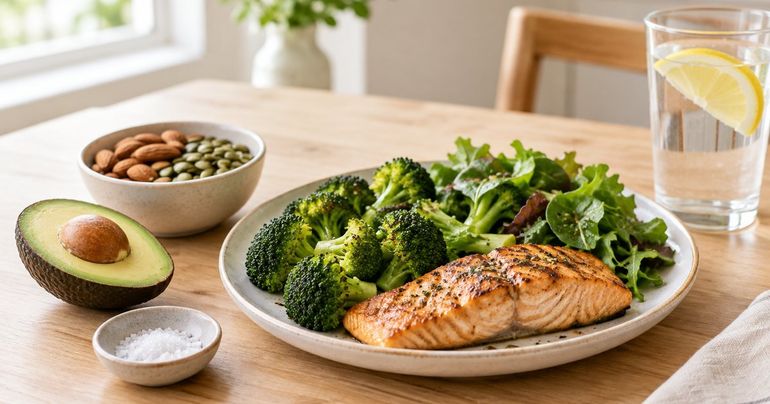
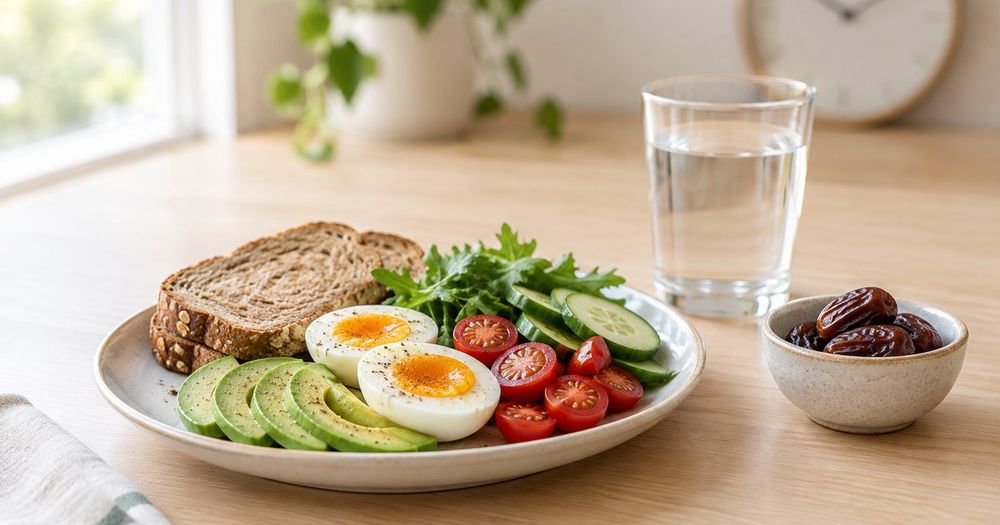
Fasting is not a licence to eat anything. Mayo Clinic recommends meals built on vegetables, fruit, whole grains, low-fat dairy and lean protein, because a shorter window makes it harder to get enough vitamins and minerals. And since the TREAT trial saw a drop in lean mass, with the researchers suggesting lower protein intake from skipped breakfasts as a possible reason, keep protein in every meal.
Practical ideas from Green Spot:
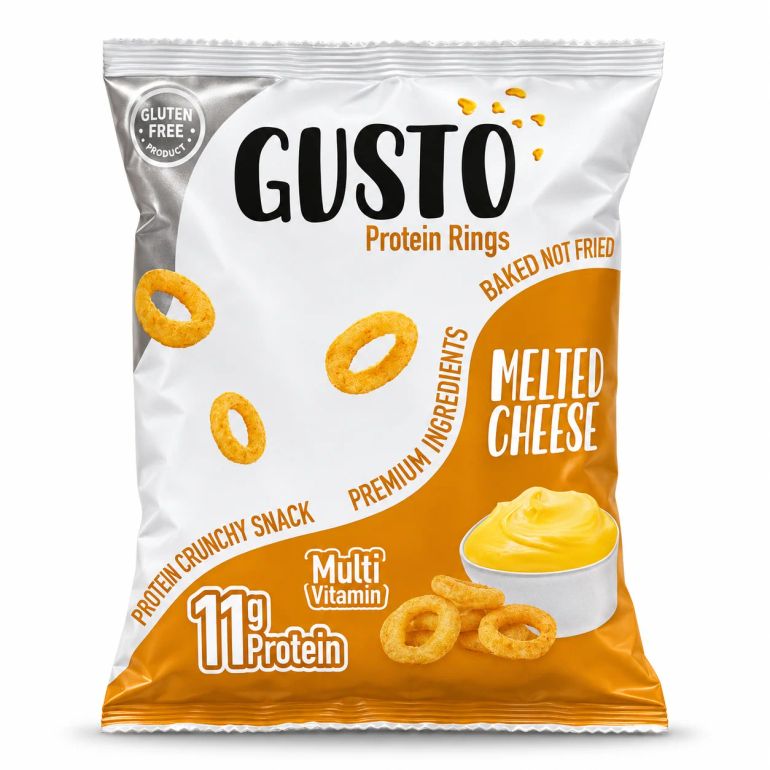
- A protein snack between meals: Gusto melted cheese protein rings have 11 g of protein per bag and are baked, not fried.
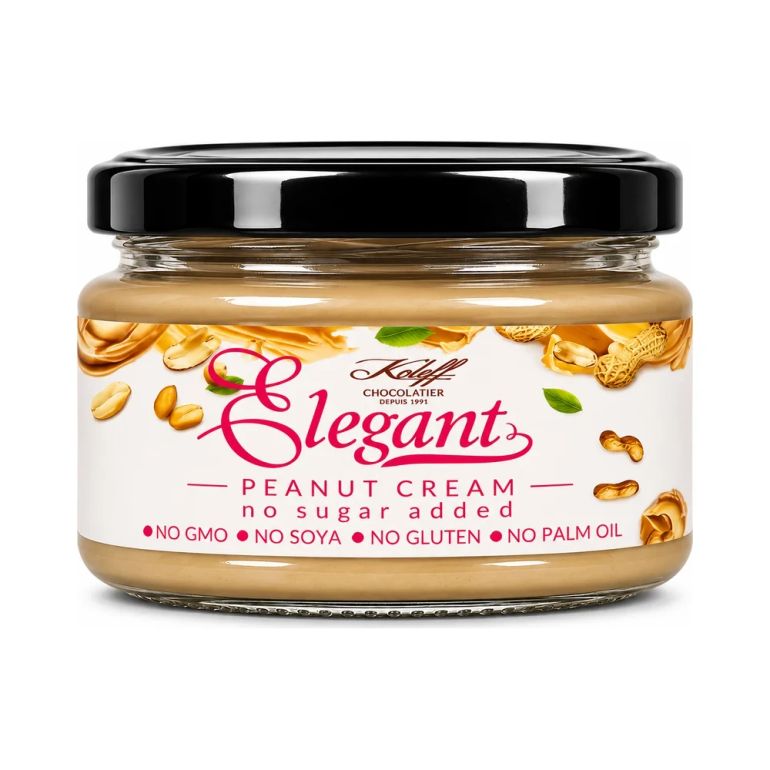
- A spread for fruit or toast: Kolev Elegant no sugar added peanut cream has 4.26 g of protein per 28 g serving. Note that a serving has about 135 calories, "no sugar added" does not mean low calorie, and it is sweetened with maltitol, which can have a laxative effect in large amounts.
- Find more options in the nut butters and jams category and the healthy snacks category.
What to drink while fasting
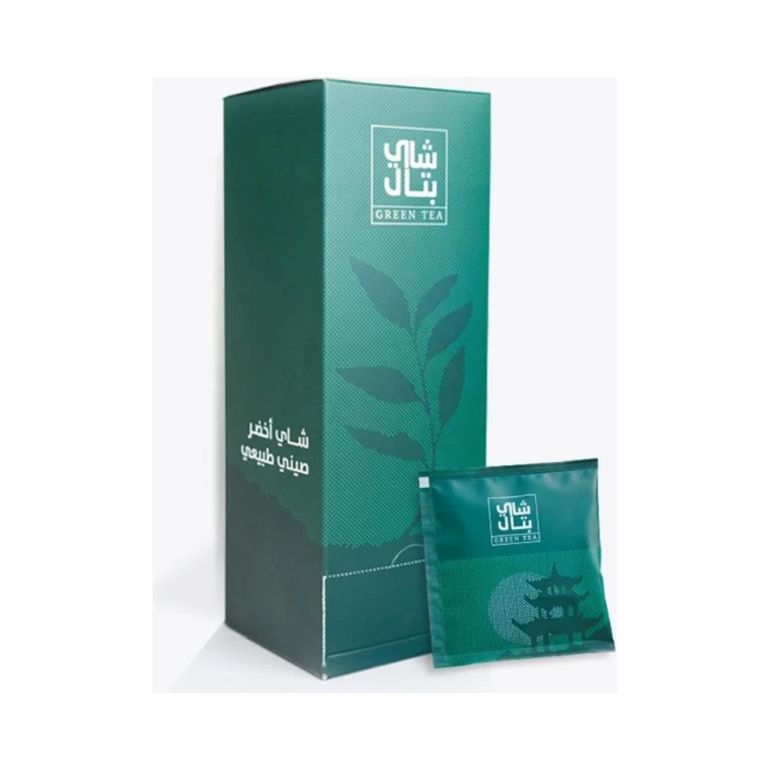
In the TREAT trial, participants were allowed only calorie-free drinks during fasting hours. Water is the simplest, followed by tea and coffee without sugar or milk. For example, Battal green tea (30 bags) is an easy option to make at work or at home. Green tea contains caffeine, so if you are sensitive to it, cut back later in the day so it does not affect your sleep.
A sample 16:8 day
This is only an example of structure; adjust it to your work, training and needs:
- Morning until noon: water, plus a cup of green tea or coffee without sugar if you like.
- Noon (first meal): a complete meal with a protein source such as eggs, chicken or legumes, plus vegetables and whole grains.
- 4 pm: a light snack with protein, or fruit with a spoon of peanut cream.
- 7:30 pm (last meal): a balanced, not-too-heavy dinner, then back to water and calorie-free drinks.
Note: If you feel dizzy or very tired and it gets worse over the days instead of easing, stop and talk to your doctor.
How to tell if intermittent fasting suits you
- It is likely a good fit if: you do not enjoy breakfast anyway, you want a simple plan without calorie counting, and your schedule is steady.
- It may not suit you if: you get very hungry and overeat after fasting, you train hard and need food around workouts, or you have a health condition or medication that requires regular meals.
- Start gradually: push breakfast back by an hour and bring dinner a little earlier until you reach the window you want.
Frequently asked questions
Does intermittent fasting lead to faster weight loss than a regular diet?
According to the 2025 BMJ review, results are similar. Alternate-day fasting showed a small edge in short trials, but it was below a clinically meaningful difference.
Will I lose muscle with intermittent fasting?
The TREAT trial saw a drop in lean mass with 16:8 when nothing else changed. Getting enough protein in your meals and staying active help you keep your muscle.
Can I drink tea or coffee while fasting?
Yes, as long as they have no sugar or milk, since they contain almost no calories. Water matters most.
The bottom line
Intermittent fasting works well if it makes eating less easier for you, but it is not more powerful than a regular diet and it is not for everyone. Focus on balanced meals with protein, and browse the tea category for calorie-free drinks to help you through fasting hours.
References
- Semnani-Azad Z, et al. Intermittent fasting strategies and their effects on body weight and other cardiometabolic risk factors: systematic review and network meta-analysis. BMJ, 2025. doi:10.1136/bmj-2024-082007
- Lowe DA, et al. Effects of Time-Restricted Eating on Weight Loss and Other Metabolic Parameters (TREAT randomized clinical trial). JAMA Internal Medicine, 2020. PubMed 32986097
- Mayo Clinic. Mayo Clinic Q and A: Is intermittent fasting good for weight loss? 2022. newsnetwork.mayoclinic.org
- Mayo Clinic Health System. Intermittent fasting: Fad or solution? mayoclinichealthsystem.org