
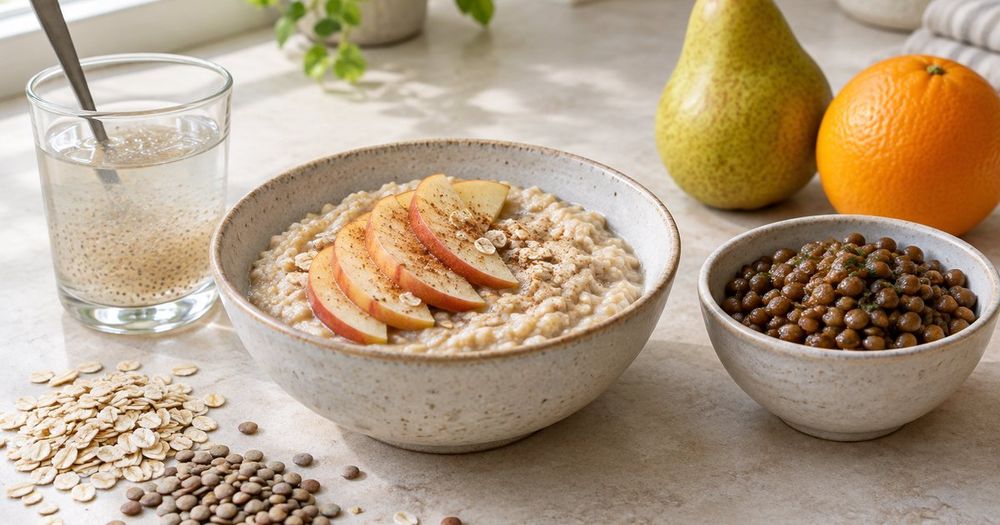
In short: Soluble fiber dissolves in water and forms a gel in the gut. Its strongest evidence is for lowering LDL cholesterol: about 3 g a day of beta-glucan from oats or barley, or about 7 g a day of soluble fiber from psyllium. It also blunts blood-sugar spikes after meals, helps fullness and is fermented by gut bacteria. Increase it gradually with enough water, and take psyllium at least two hours apart from medicines.
Most of us know fiber is good for us, but fewer know that one type, soluble fiber, carries most of the evidence on cholesterol and blood sugar. This guide explains what it is, where to find it, what the studies show in numbers, how to add it without bloating, and when to be careful, especially with psyllium.
Soluble vs insoluble fiber
Soluble fiber absorbs water and forms a viscous gel that slows stomach emptying and sugar absorption, and binds some bile acids so the liver uses blood cholesterol to make more. Insoluble fiber, such as wheat bran, adds bulk and speeds transit. Most plant foods contain both.
Source | Main soluble fiber | Best-supported use |
|---|---|---|
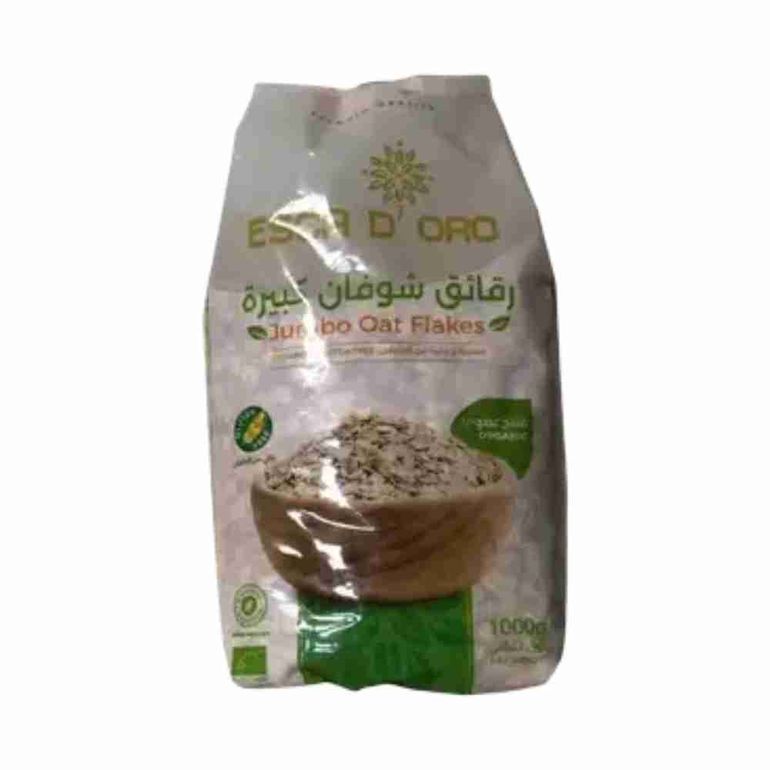
Oats and barley | Beta-glucan | Lower LDL, gentler post-meal glucose |
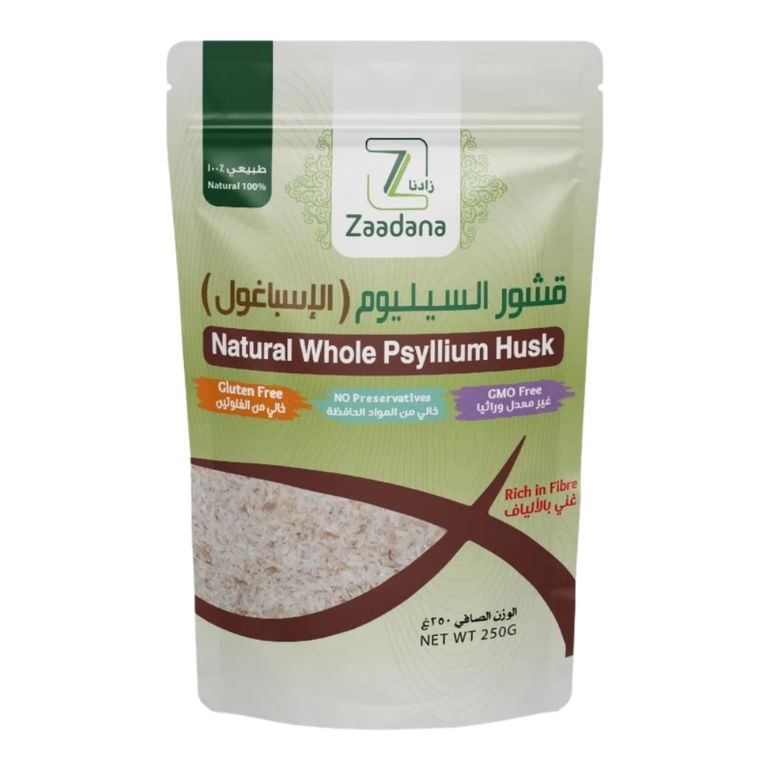
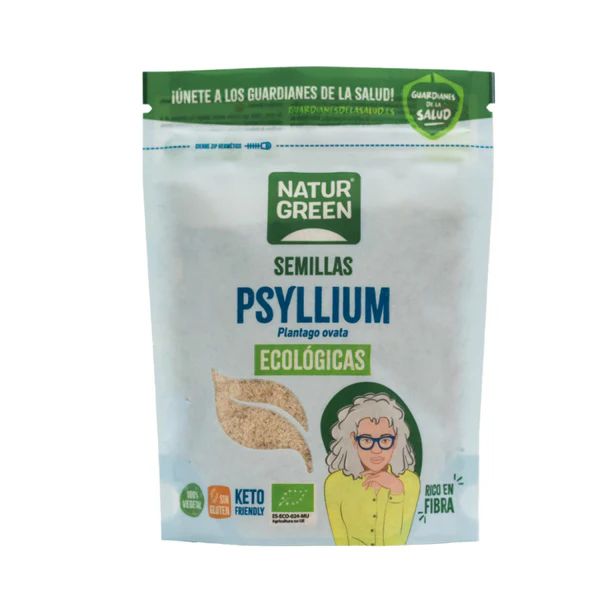
Psyllium husk | Mucilage | Lower LDL, constipation, glucose control in diabetes |
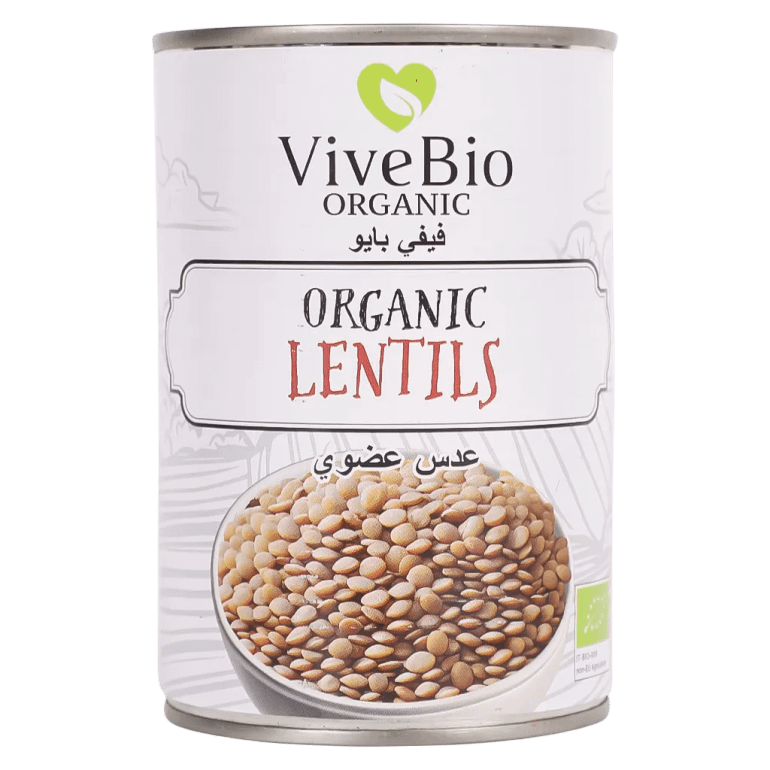
Legumes | Mixed fiber and resistant starch | Fullness, heart-healthy eating pattern |
Chia and flax | Mucilage | Easy fiber boost; weaker cholesterol evidence |
Apples, citrus, carrots | Pectin | Part of daily fiber |
Cholesterol: the strongest evidence
The US FDA allows a health claim that 3 g a day of beta-glucan from oats or barley, or 7 g a day of soluble fiber from psyllium husk, as part of a diet low in saturated fat and cholesterol, may reduce the risk of heart disease. A meta-analysis of 58 trials (Ho et al., 2016) found about 3.5 g/day of oat beta-glucan lowered LDL by roughly 0.19 mmol/L (about 7 mg/dL). A psyllium meta-analysis (Jovanovski et al., 2018) found about 0.33 mmol/L (about 13 mg/dL) at around 10 g/day. Modest but real effects that add to other lifestyle changes; they do not replace prescribed cholesterol medicine.
In practice, 3 g of beta-glucan is roughly 60–80 g of dry oats a day, depending on the oats.
Blood sugar and fullness
In people with type 2 diabetes, a meta-analysis (Gibb et al., 2015) found psyllium taken before meals improved fasting glucose and HbA1c, with much smaller effects in people with normal glucose. It is a helpful tool to discuss with your doctor, not a treatment on its own. Fiber-rich foods also tend to keep people full longer, but fiber does not burn fat by itself.
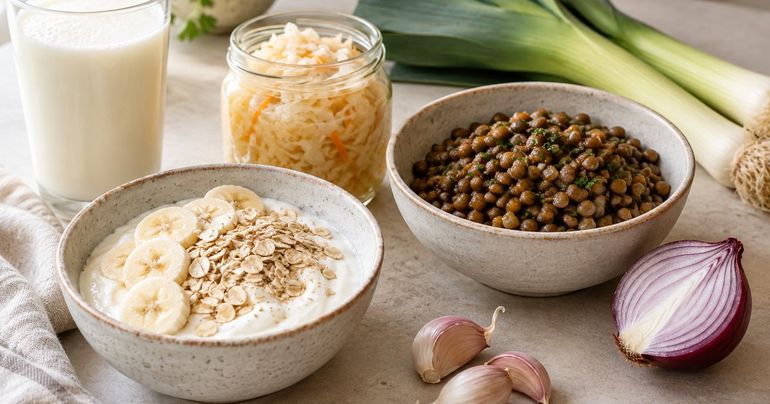
Tip: Start the day with cooked or overnight oats and add legumes to lunch three times a week. These two changes alone raise soluble fiber noticeably without any supplement.
Gut bacteria, briefly
Part of soluble fiber is fermented in the colon into short-chain fatty acids such as butyrate, a fuel for colon cells. Research is active and human evidence for specific benefits is still developing. For the full picture on prebiotics and probiotics, read our probiotics and prebiotics guide.
How much fiber a day?
EFSA considers 25 g of total fiber a day adequate for adults; the NHS recommends 30 g. A 2019 Lancet review (Reynolds et al.) found people eating 25–29 g a day had lower rates of heart disease, type 2 diabetes and colorectal cancer than those eating less. These are mostly observational links, not proof of cause, but the direction is consistent. There is no separate official target for soluble fiber alone.
Add it without bloating
- Go slowly: add about 3–5 g a week.
- Drink more water: without enough fluid, fiber can worsen constipation.
- Spread it across meals.
- Soak seeds: chia and flax work best soaked or ground.
- Expect some gas in the first couple of weeks; it usually settles.
Using psyllium safely
- Follow the label dose and start lower.
- Always mix with at least a full glass of water (about 240 ml) and drink at once.
- Never take it dry or just before lying down.
- Take medicines at least two hours apart.
Note: If you have trouble swallowing, a narrowed oesophagus or bowel, or past gut surgery, ask your doctor first, and also if you take diabetes, thyroid, cholesterol or blood-thinning medicines. Stop and seek medical help for chest pain, vomiting or difficulty swallowing after taking it, or constipation lasting over a week. Do not eat a dry spoonful of chia seeds followed by water, as they swell quickly.
FAQ
Can a fiber supplement replace food?
No. Food gives many fiber types plus vitamins and minerals; a supplement only fills a gap.
Are instant oats as good as rolled oats?
They still contain beta-glucan, but less processed oats usually keep more viscosity. Avoid sweetened versions.
References
- FDA. 21 CFR 101.81 Soluble fiber and coronary heart disease.
- Ho HVT, et al. Oat β-glucan and LDL-cholesterol: meta-analysis. Br J Nutr. 2016;116(8):1369-1382.
- Jovanovski E, et al. Psyllium and cardiovascular risk factors: meta-analysis. Am J Clin Nutr. 2018;108(5):922-932.
- Gibb RD, et al. Psyllium fiber improves glycemic control: meta-analysis. Am J Clin Nutr. 2015;102(6):1604-1614.
- Reynolds A, et al. Carbohydrate quality and human health. Lancet. 2019;393:434-445.
- EFSA. Dietary Reference Values for carbohydrates and dietary fibre. 2010.
- NHS. How to get more fibre into your diet.
This article is for general education and does not replace medical advice.