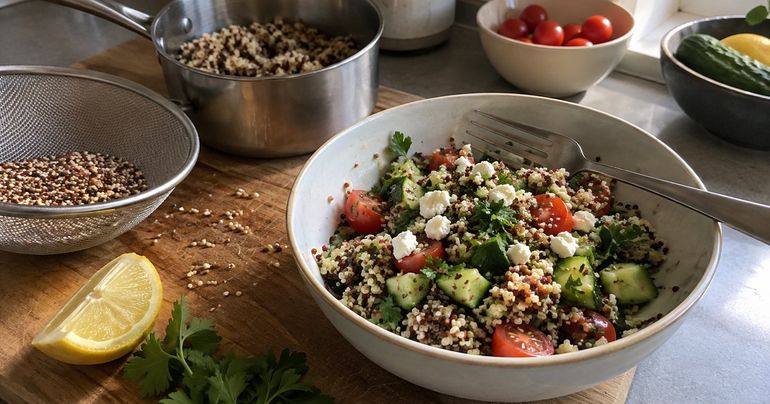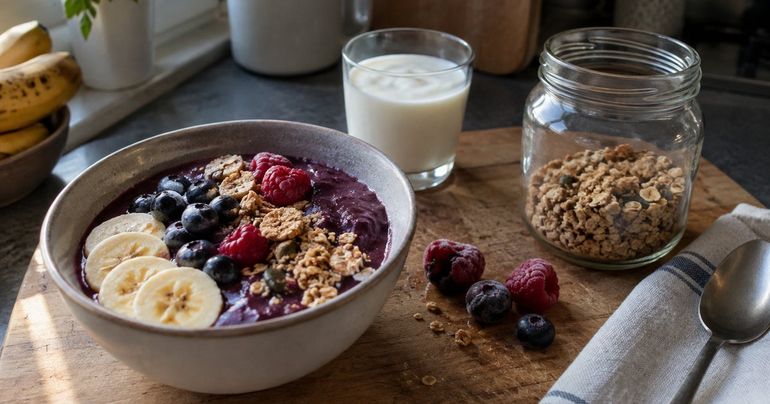

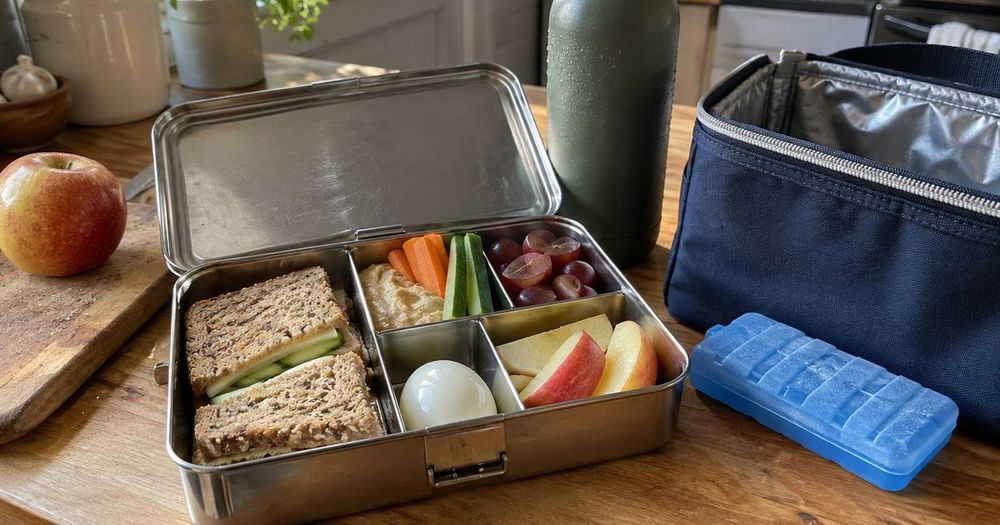
A healthy school lunchbox is a small, balanced meal: whole-grain starch, a protein, vegetables and fruit, and a simple drink such as water or milk. Just as important, it has to stay safe until break time, especially in hot weather, because perishable food should not sit for hours without chilling.
In short: Build the box from five parts (whole-grain starch, protein, vegetables, fruit, dairy or water), as NHS guidance suggests. Make the drink water or milk and keep juice small: the American Academy of Pediatrics limits 100% juice to 120–180 ml a day at ages 4–6 and 240 ml at 7–18. The USDA advises at least two cold sources with perishable food, which should not stay out more than 2 hours, or 1 hour above 32°C. For children under 4, watch for choking foods such as whole grapes and nuts.
The five parts of a balanced lunchbox
Part | Examples | Note |
|---|---|---|
Starch (wholegrain where possible) | Wholegrain bread, wholewheat pasta, rice, crackers or grain rice cakes | Longer-lasting energy |
Protein | Boiled egg, chicken or tuna, cheese, hummus or baked falafel | Perishables need chilling |
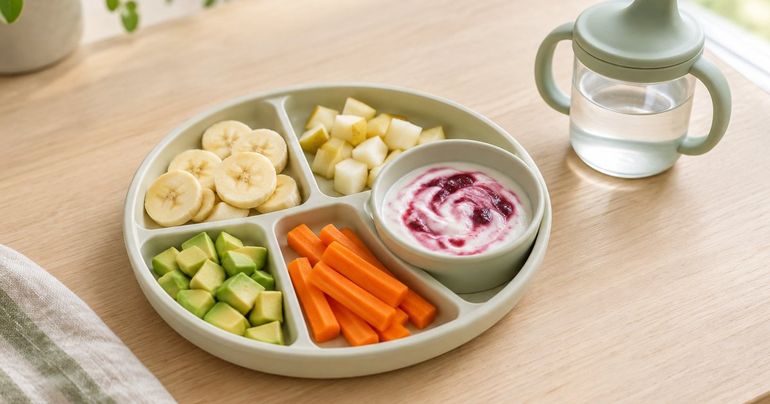
Vegetables | Cucumber, cherry tomatoes, pepper and carrot sticks | Cut to suit your child's age |
Fruit | Apple, banana, orange, halved grapes, tinned fruit in juice | Whole fruit beats juice |
Dairy and drink | Plain milk, lower-sugar yoghurt, water | Water is the everyday first choice |
NHS Healthier Families suggests basing the main item on bread, rice, pasta or potatoes, choosing wholegrain where possible, then adding lean protein, vegetables that count towards 5 A Day, and bite-sized fruit. Watch what comes back home each day: if vegetables always return, change their shape (sticks, or with a hummus dip) rather than dropping them.
Drinks: water or milk, juice in limits
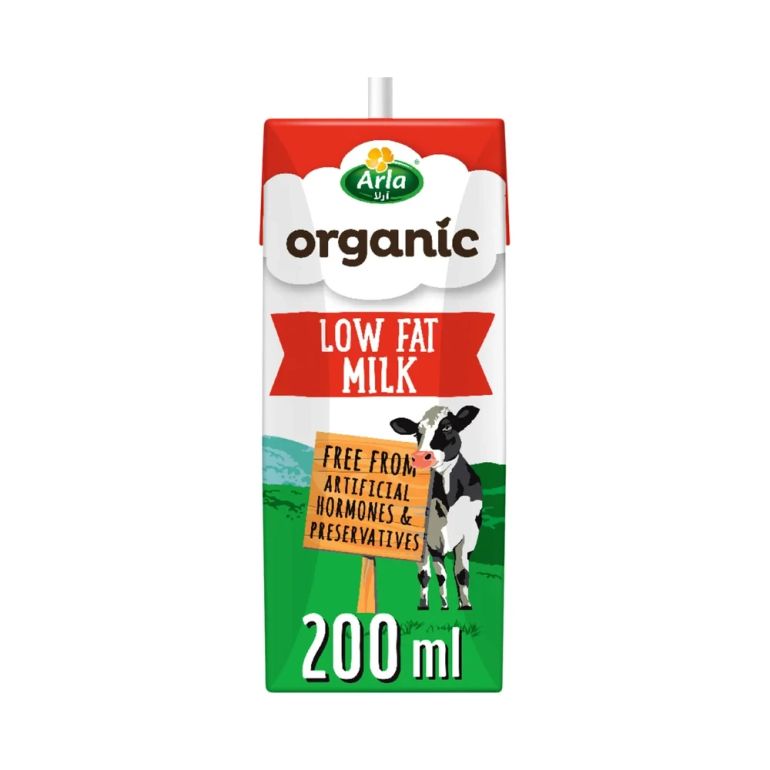
Water is the simplest daily drink, and a small 200 ml carton of plain milk adds protein and calcium. Flavoured milks contain added sugar. The AAP's 2017 recommendation caps 100% fruit juice at 120 ml a day for ages 1–3, 120–180 ml for 4–6, and 240 ml for 7–18, and encourages whole fruit instead. The WHO counts sugars naturally present in juice as free sugars and recommends keeping them below 10% of daily energy, ideally below 5%.
Tip: Freeze a water bottle overnight and pack it in the morning. It chills the food on the way and is ready to drink by break time.
Sugar and snacks: swap, don't ban
The American Heart Association recommends that children aged 2–18 have no more than 25 g of added sugar a day (about 6 teaspoons) and none under age 2. NHS swaps include plain rice cakes or plain popcorn (over age 4) instead of crisps, fruit instead of cakes and cereal bars, tinned fruit in juice rather than syrup, and dried fruit only at mealtimes because it can harm teeth. Compare sugar and salt per 100 g on cracker labels. See our article on sugar limits in children's food.
Food safety until break time
- Use an insulated lunch bag.
- Pack at least two cold sources with perishable food, such as two gel packs or one gel pack with a frozen water bottle.
- Perishable food should not stay at room temperature for more than 2 hours, or 1 hour above 32°C.
- You can prepare food the night before, but pack the bag right before leaving home.
- Wash hands with soap for 20 seconds before preparing food.
- Pack only what your child will eat, and discard perishable leftovers.
Note: A school bag in a hot car or classroom heats up fast. Eggs, chicken, meat, soft cheese and cooked rice need real chilling; if you cannot guarantee it, choose foods that keep, such as crackers, whole fruit and sealed UHT milk cartons. Do not freeze sandwiches with mayonnaise, lettuce or tomato.
Young children: choking and allergies
For children under 4, the CDC lists foods that can cause choking, including whole grapes, whole nuts and seeds, popcorn, hard raw carrots and round slices of sausage. Quarter grapes and cherry tomatoes, and serve carrots cooked or grated. More in our guide to safe snacks for babies and toddlers. Many schools ban nuts because of other pupils' allergies, so check the school's policy.
How to choose in the store
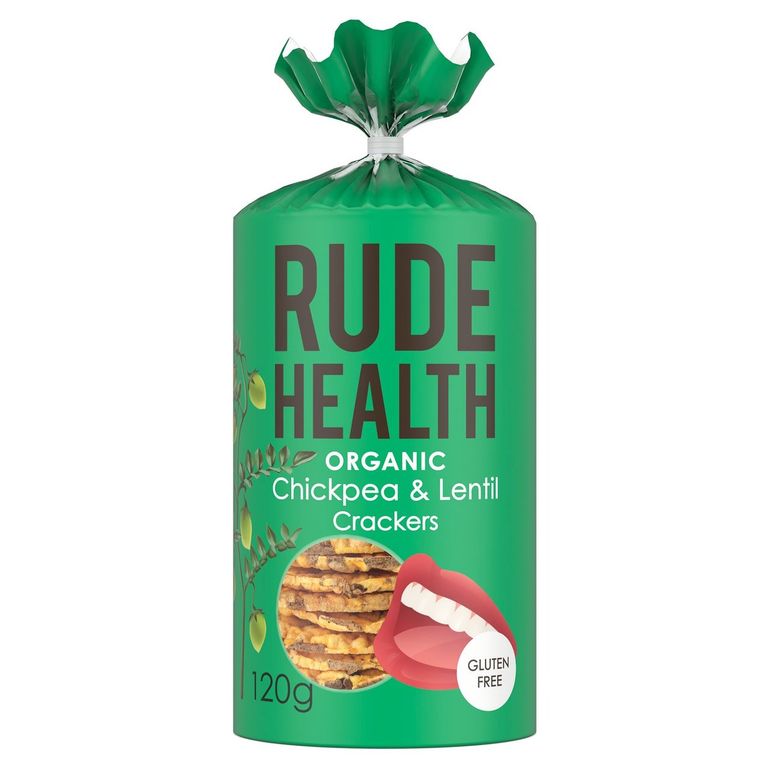
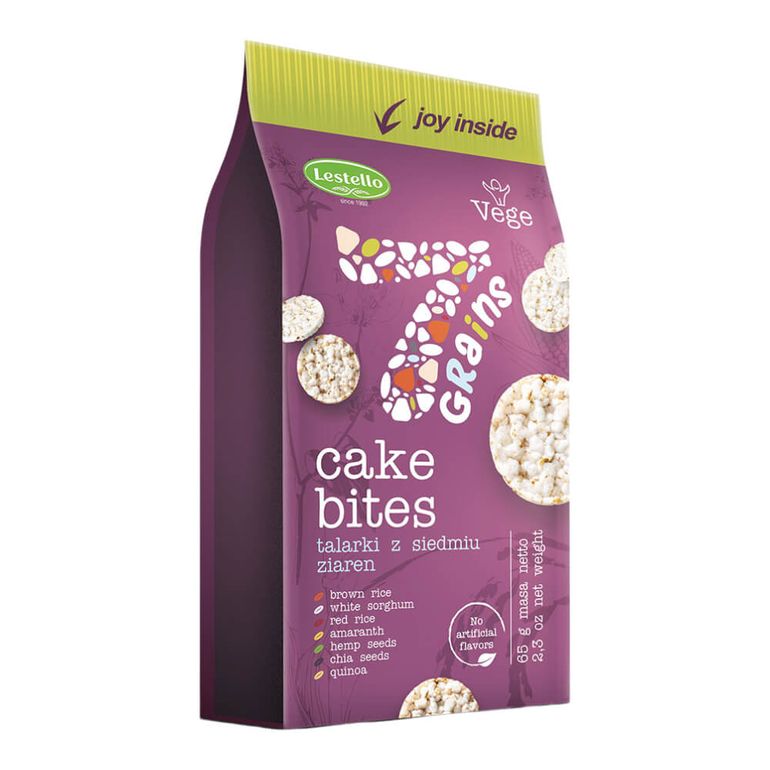
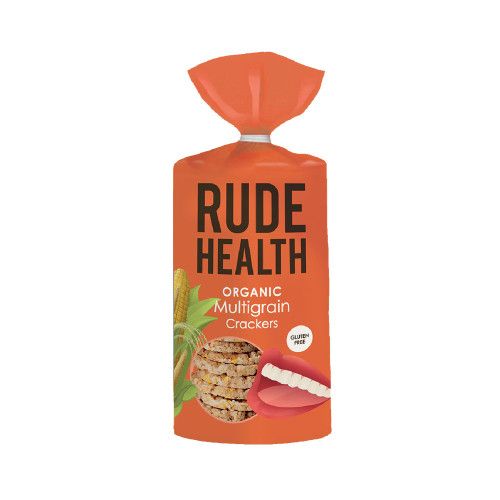
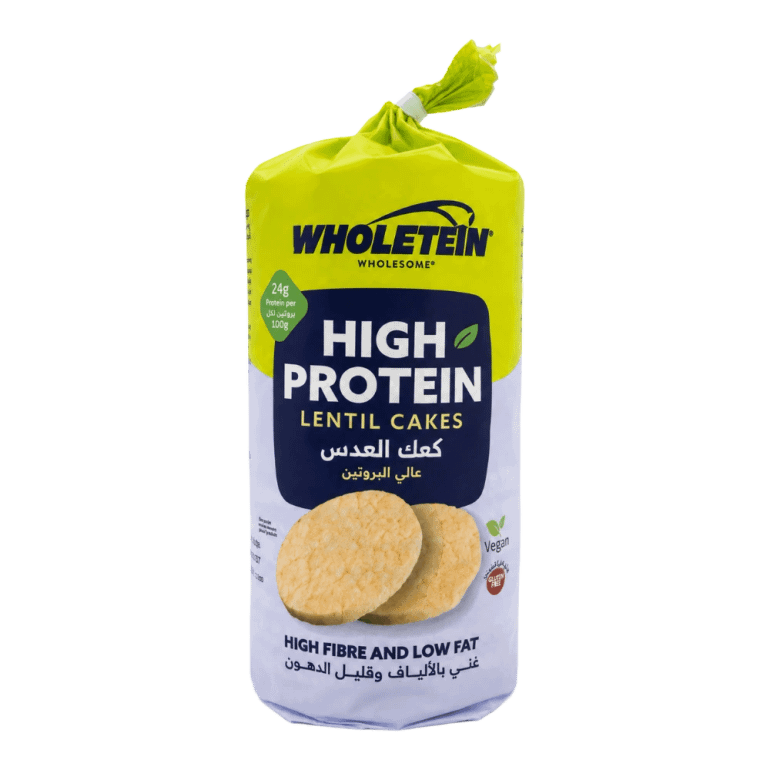
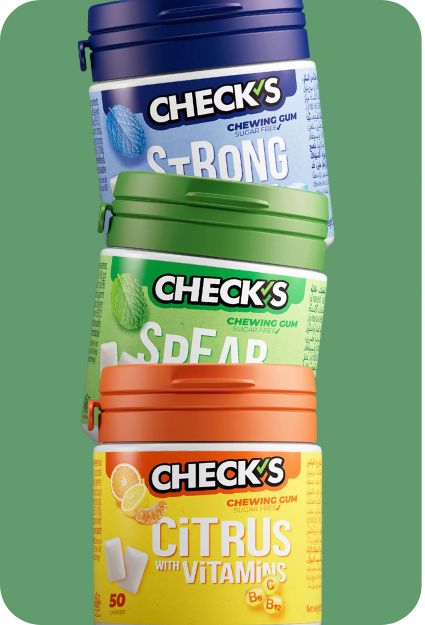
Focus on products that serve the five parts rather than colourful "kids' snacks". At Green Spot: Arla organic low-fat milk 200 ml, Rude Health chickpea and lentil crackers (0.6 g sugar and 0.40 g salt per 100 g on its label), and Lestello 7-grain mini rice cakes. Browse the healthy snacks category, and remember that fresh fruit, vegetables, whole-grain bread and eggs are the base of the box.
FAQ
Can I pack juice every day?
A small amount of 100% juice fits within the AAP limits, but water or milk is the better daily drink, and whole fruit beats juice.
How long can food stay in the bag without chilling?
Per the USDA, no more than 2 hours at room temperature, or 1 hour above 32°C. Use an insulated bag and two cold sources.
Can I prepare it the night before?
Yes. Keep it in the fridge and pack it with the cold sources just before leaving.
References
- NHS Healthier Families. Healthier lunchbox recipes. nhs.uk
- USDA FSIS. Keeping "Bag" Lunches Safe. fsis.usda.gov
- AAP (2017). Fruit Juice in Infants, Children, and Adolescents. Pediatrics. doi:10.1542/peds.2017-0967. healthychildren.org
- WHO (2015). Guideline: Sugars intake for adults and children. who.int
- Vos MB et al. (2016). Circulation. doi:10.1161/CIR.0000000000000439. ahajournals.org
- CDC. Choking Hazards. cdc.gov
This article is for general education and does not replace advice from a doctor.