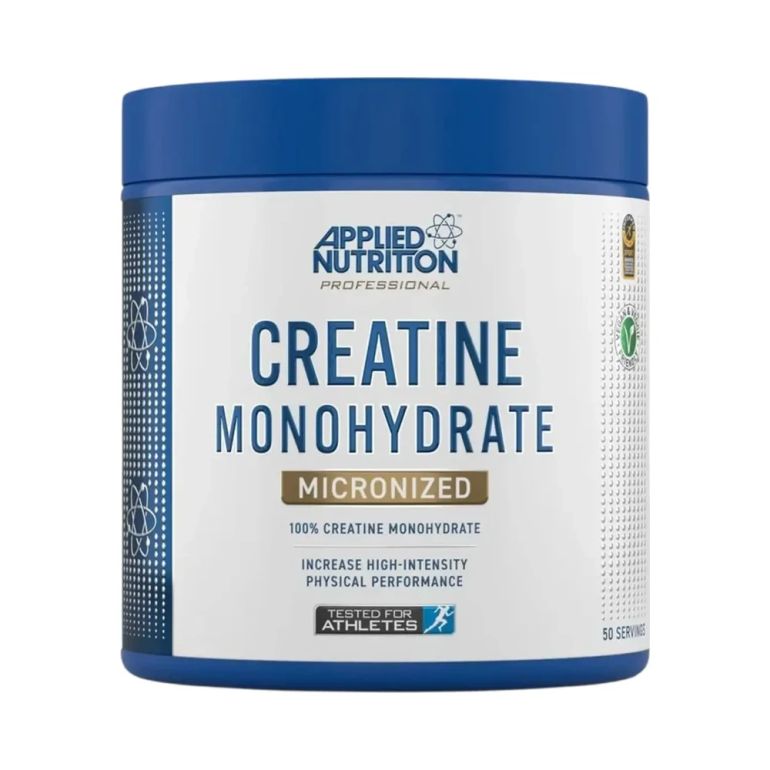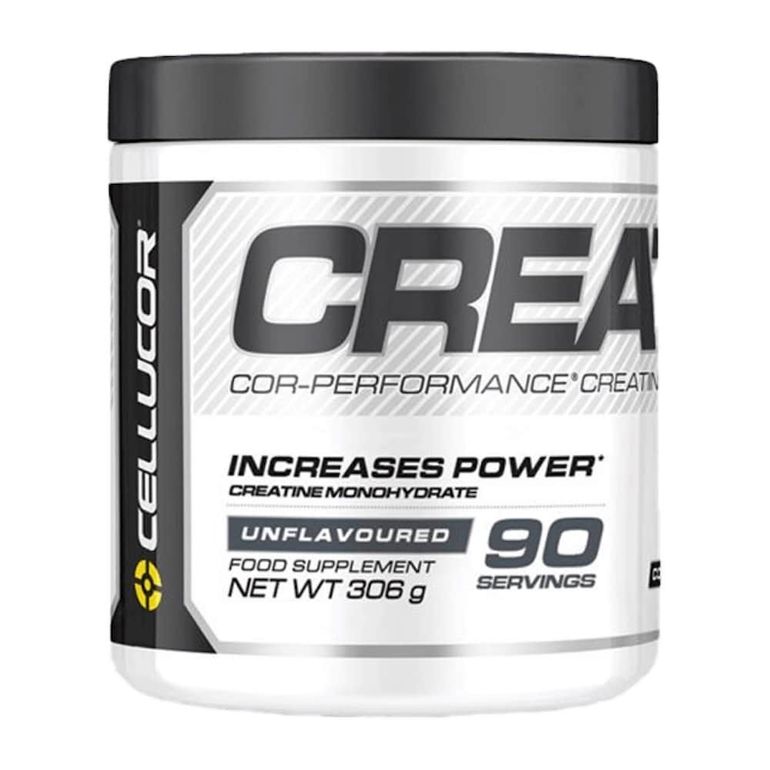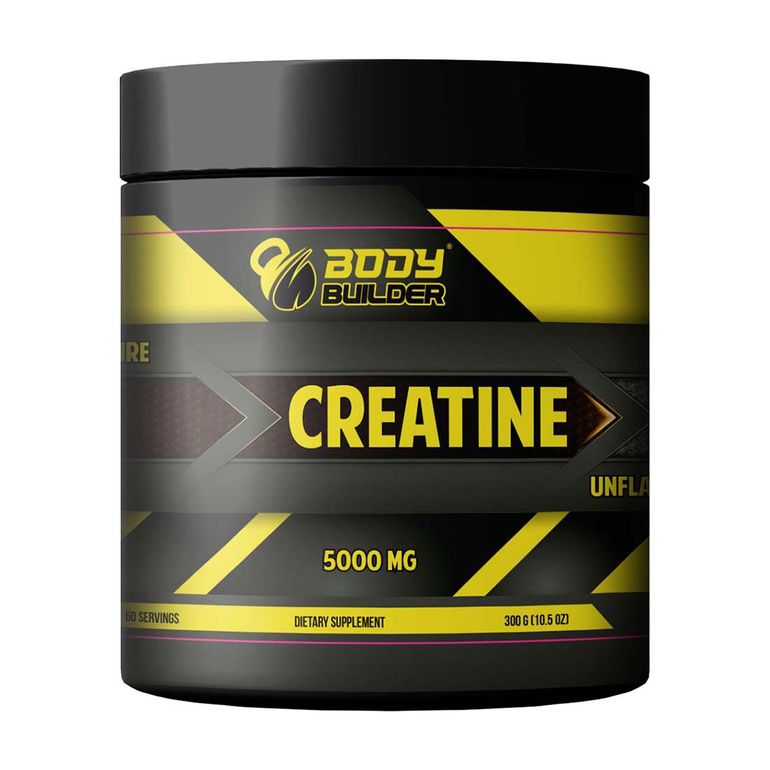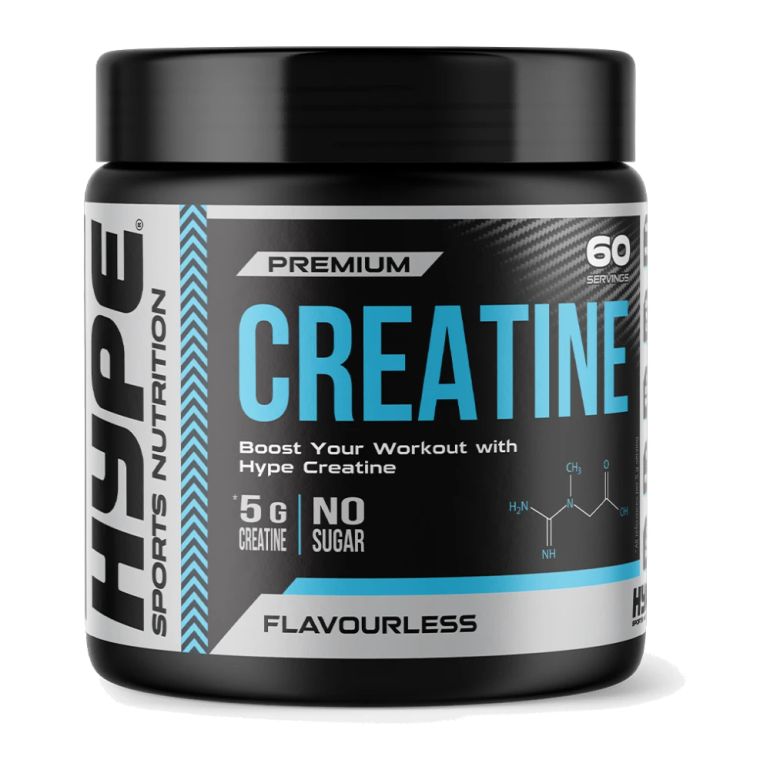

Creatine is one of the most studied sports supplements. The evidence shows it helps short, high-intensity, repeated efforts such as weight lifting and sprints, and it is considered safe for healthy adults at usual doses.
In short: Creatine monohydrate at 3–5 g a day is the best-studied form. It helps high-intensity intermittent exercise more than endurance sports (NIH). Loading is optional: it gets you there faster, not further. The most common effect is a small weight gain from water inside the muscle. A systematic review found no kidney harm in healthy people, and a 2025 randomized trial found no effect on hair loss. People with kidney disease, under-18s and pregnant women should ask a doctor first.
How it works
The body makes about 1 g of creatine a day in the liver and kidneys, and we get more from red meat and fish (NIH). Muscles store it as phosphocreatine and use it to regenerate energy in the first seconds of hard effort. A fuller store can mean an extra rep or faster recovery between sets, which adds up over weeks of training. It does not build muscle without training.
What the evidence supports
Use | Evidence | Note |
|---|---|---|
Weight lifting and repeated short bursts | Strong | Main use (NIH, EFSA) |
Strength with resistance training in adults over 55 | Moderate | Only with regular training (EFSA 2016) |
Endurance sports | Weak | Little value according to NIH |
Weight loss | None | May add a little water weight |
Dose and loading
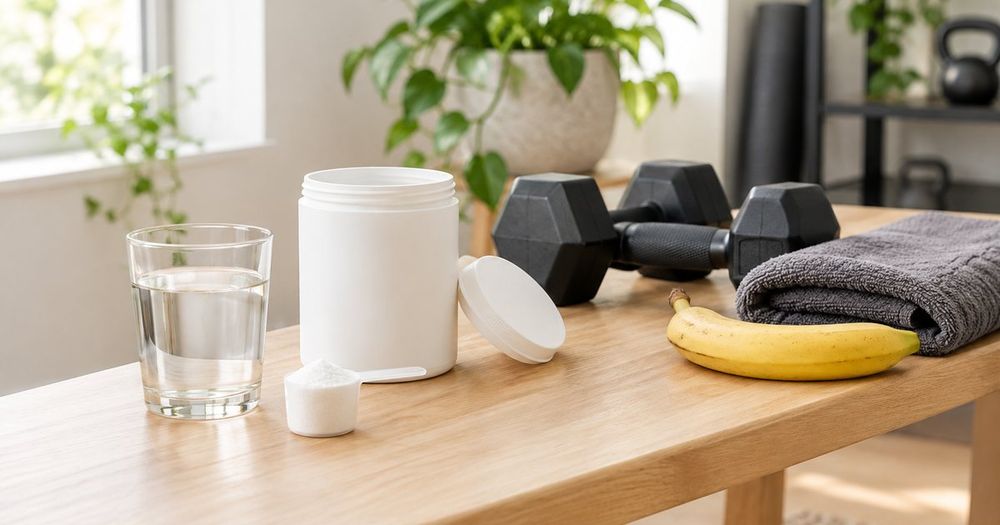
Loading: 20 g a day in four 5 g doses for 5–7 days, then 3–5 g a day. Without loading: 3–6 g a day, with muscle stores full in 3–4 weeks (NIH). Antonio et al. (2021) note creatine is well tolerated at 3–5 g a day or 0.1 g/kg body weight. Timing matters less than taking it every day.
Tip: With no competition coming up, simply start at 3–5 g a day. It is gentler on the stomach and gives the same result after about a month. Related reading: whey protein after training and how to choose a protein powder.
Safety
- Water weight: strength programs report a 1–2 kg gain in the first month (NIH).
- Kidneys: a 2019 meta-analysis of 15 studies (497 participants, 4–20 g/day) found no kidney damage in healthy people. Creatine becomes creatinine, so blood creatinine may rise without disease; tell your doctor before lab tests.
- Hair: a 2025 double-blind trial (5 g/day for 12 weeks, 45 trained men) found no difference in DHT or hair density versus placebo.
- Stomach: occasional nausea or diarrhea, mostly with large single doses.
Note: Ask your doctor first if you have kidney disease or diabetes, take medicines that affect the kidneys, are pregnant or breastfeeding, or are under 18.
How to choose
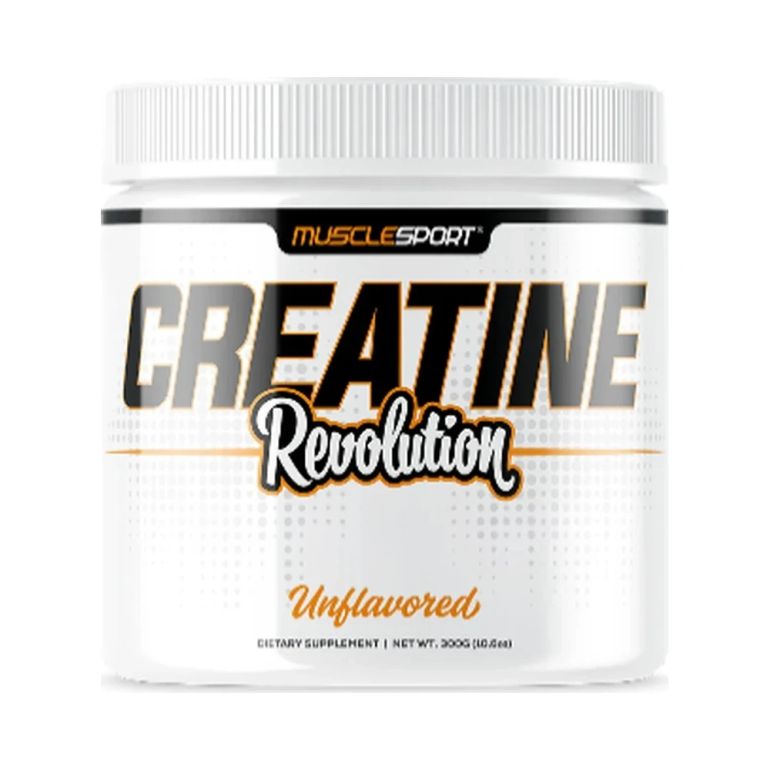
Pick plain creatine monohydrate, check the scoop size (3 g or 5 g), watch sugar and sweeteners in flavoured versions, and avoid products with weight-loss claims. Browse creatine at Green Spot.
FAQ
Is creatine a steroid? No. It is a compound found naturally in the body, meat and fish.
Is it suitable for women? Yes, at the same doses; pregnant or breastfeeding women should ask a doctor.
Before or after training? Either. Daily consistency matters most.
References
- NIH ODS. Dietary Supplements for Exercise and Athletic Performance. ods.od.nih.gov
- Antonio J, et al. J Int Soc Sports Nutr. 2021;18:13. doi:10.1186/s12970-021-00412-w
- de Souza e Silva A, et al. J Ren Nutr. 2019;29(6):480–488. PMID 31375416
- Lak M, et al. J Int Soc Sports Nutr. 2025;22(sup1):2495229. doi:10.1080/15502783.2025.2495229
- EFSA NDA Panel opinion on creatine and muscle strength in adults over 55 (2016), via NutraIngredients
This article is for general education and does not replace advice from a doctor.