
In short: Green tea is safe for most adults, and a regular cup has roughly 30 to 50 mg of caffeine, about half of a cup of coffee or less. Research links it to modest benefits for the heart and cholesterol, but its effect on weight is small and there is no solid proof that it prevents cancer. The real risk is not in the cup but in high-dose green tea extract capsules, which have been linked to liver injury.
Few drinks carry a health reputation like green tea. It is often sold as a "miracle drink" that burns fat, prevents cancer and cleanses the body. The truth is calmer than that, but it is still on green tea's side. This article explains what scientific bodies actually say about green tea, how much is reasonable each day, who needs to be careful, and how to brew it so it tastes good without bitterness.
What is green tea, and how is it different from black tea?
Green and black tea come from the same plant, Camellia sinensis. The difference is processing. Black tea leaves are left to oxidize, which changes their color and flavor. Green tea leaves are steamed or pan-fired soon after picking, which stops oxidation and keeps a high level of compounds called catechins.
The best known catechin is EGCG (epigallocatechin gallate), the focus of most studies. Green tea also contains caffeine and an amino acid called L-theanine, which gives it its distinctive taste and which some researchers think smooths out the effect of caffeine. Calories are close to zero as long as you skip sugar and milk.
What does research say about green tea benefits?
The US National Center for Complementary and Integrative Health (NCCIH) regularly reviews the evidence on green tea. Its summary is that the picture is mixed: some benefits have reasonable support, others are not proven.
Heart and cholesterol: the best-supported benefit
Large observational studies in Asian populations, where green tea is widely consumed, found that regular drinkers had a lower risk of coronary heart disease. The same link was not as clear in Western populations. That is a reminder that observational studies show associations, not cause and effect; overall lifestyle may be the real driver.
Controlled trials showed that green tea and its extracts lowered total and LDL ("bad") cholesterol by a modest amount. That does not replace treatment prescribed by a doctor, but it makes green tea a smarter choice than sweetened drinks.
Weight: a small effect you should not rely on
This is where exaggeration is common. Catechins plus caffeine may slightly raise energy use, but reviews found the difference in weight is very small and often of no practical value. Do not treat green tea as a weight-loss tool. Its real value here is as a zero-calorie drink that can replace juices and sweetened sodas, and that swap alone makes a meaningful difference over time.
Cancer: no firm evidence
Scientists have studied green tea and many types of cancer, and the results conflict. Some studies found a favorable link and others found none. Scientific bodies cannot currently say green tea prevents cancer, and anyone claiming so is going beyond the evidence.
Focus and alertness
Caffeine is known to improve alertness and attention, and a cup of green tea gives you a small dose. That is why many people choose it when they want gentle energy without the stronger kick of coffee.
Tip: If you drink more than one sweetened drink a day, try swapping one of them for an unsweetened cup of green tea. That simple swap does more for you than any "magic benefit" attributed to tea.
How many cups of green tea a day are safe?
The answer depends on caffeine. According to the US FDA, an 8-ounce (about 240 ml) cup of green tea has roughly 30 to 50 mg of caffeine, depending on the leaves, steeping time and water temperature. For comparison, the same size cup of filter coffee usually has 80 to 100 mg or more.
In its caffeine safety assessment, the European Food Safety Authority (EFSA) set these limits:
- Healthy adults: up to 400 mg of caffeine a day from all sources raises no safety concerns, and up to 200 mg in a single dose.
- Pregnant and breastfeeding women: up to 200 mg a day from all sources.
- Sleep: a 100 mg dose close to bedtime may delay sleep and shorten it in some people.
Simple math: 3 to 4 cups of green tea a day usually give 120 to 200 mg of caffeine, a comfortable amount for most adults. But caffeine adds up from many sources: coffee, black tea, sodas, energy drinks and some chocolate. Count the total, not green tea alone.
Matcha is a special case. Because you drink the whole ground leaf instead of an infusion, a cup can contain more caffeine than regular green tea, especially if you use two scoops of powder.
A cup is not a capsule: an important liver warning
This is the most important point in the article. In 2018, EFSA reviewed the safety of green tea catechins after reports of liver injury and reached two clear conclusions:
- Traditionally brewed green tea is generally safe. Green tea drinkers usually get 90 to 300 mg of EGCG a day. EFSA found no sign of liver harm even with high intake, and the rare reported cases were likely unpredictable individual reactions.
- Concentrated supplements are different. Taking 800 mg or more of EGCG a day as a supplement was linked in clinical trials to raised liver enzymes, an early sign of liver stress. EFSA could not identify a confirmed safe dose for supplements.
NCCIH agrees: most reported cases of liver injury involved green tea extract pills, not the drink. The problem is that these extracts are often marketed for slimming, and people take them on an empty stomach in one large dose.
Note: If you are considering green tea extract capsules, talk to your doctor first and check the label for the amount of EGCG per dose. Stop immediately and see a doctor if you notice yellowing of the skin or eyes, dark urine, upper abdominal pain or unusual tiredness.
Who should be more careful?
- Pregnant and breastfeeding women: green tea is fine within the daily caffeine limit (200 mg from all sources); avoid extract supplements.
- People with anemia or low iron: tea polyphenols reduce iron absorption from plant foods. Drink tea between meals rather than with them, leaving about an hour before and after.
- People on regular medication: green tea may lower blood levels of the blood pressure drug nadolol and may interact with other medicines. If you take a long-term medication, ask your pharmacist or doctor.
- Children: large amounts of caffeine are not suitable for children. EFSA considers 3 mg per kg of body weight a day a level of no concern, so a 20 kg child should stay under about 60 mg, roughly one and a half cups of green tea.
- People with insomnia, anxiety or palpitations: caffeine can worsen these symptoms. Cut back or have your last cup before mid-afternoon.
- Sensitive stomachs: strong tea on an empty stomach can cause heartburn or nausea in some people.
How to brew green tea that tastes better
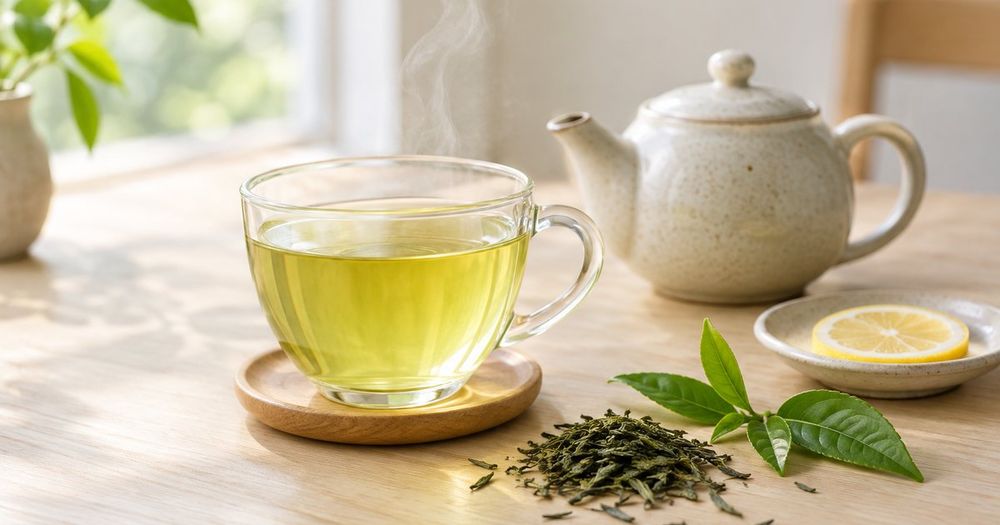
The main reason people dislike green tea is bitterness, usually caused by boiling water and long steeping. This method gives a balanced cup:
- Let the water cool a little: after boiling, wait two to three minutes until it is roughly 70–80°C.
- Steep the bag for two to three minutes only: longer steeping pulls out more bitter compounds and more caffeine.
- Remove the bag without squeezing it: squeezing adds bitterness.
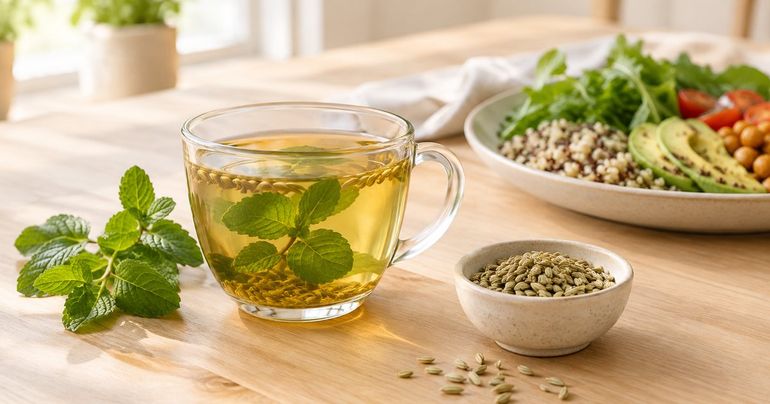
- Add what you like without much sugar: a slice of lemon, mint leaves or a slice of ginger. If you need sweetness, a teaspoon of honey is enough.
If you prefer cold drinks, cold-brew green tea in the fridge for several hours. It tastes smoother and usually has less caffeine than hot tea.
Tea bags, loose leaf or matcha?
There is no single "healthiest" option; the differences are mostly taste and convenience:
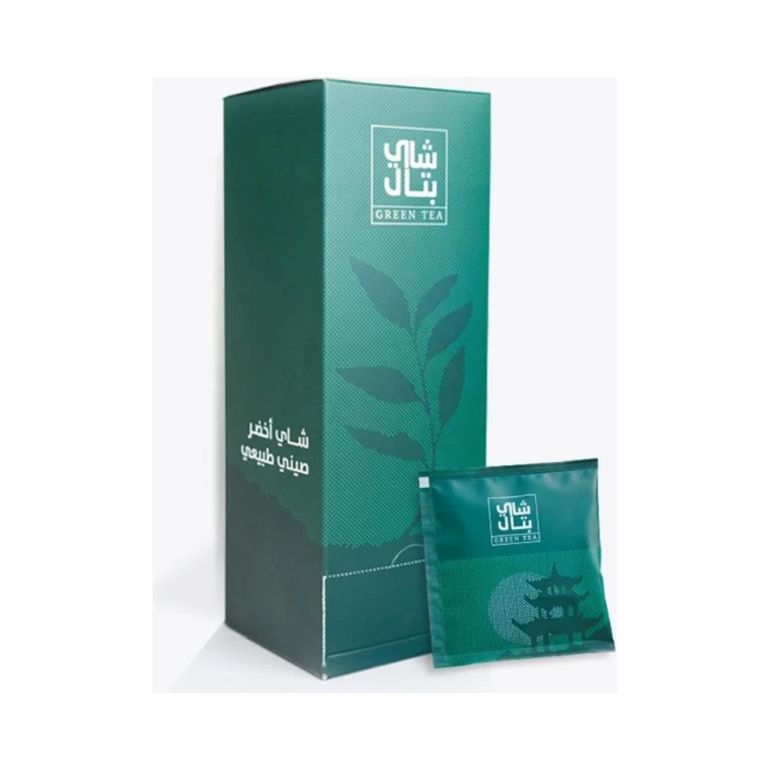
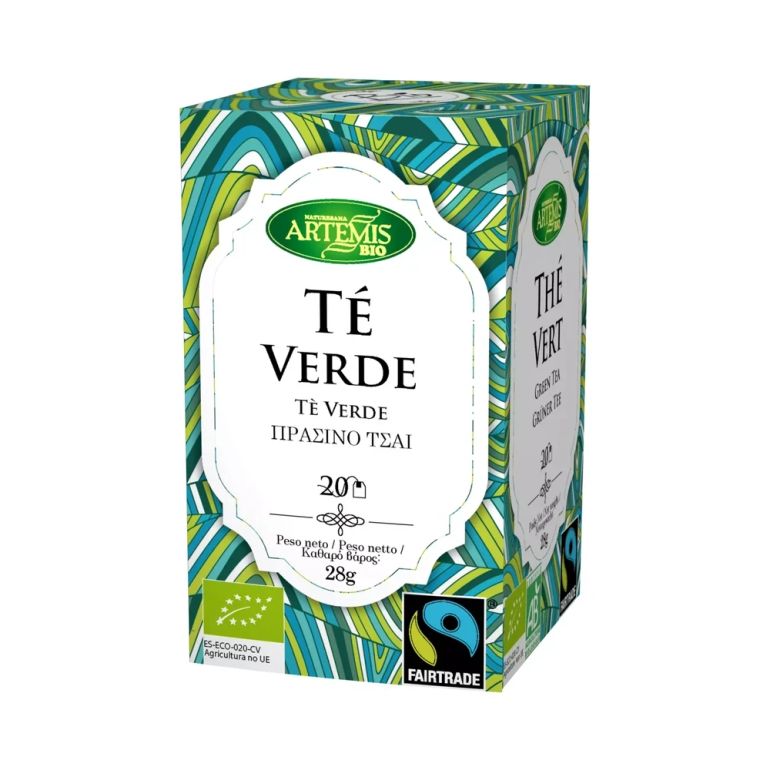
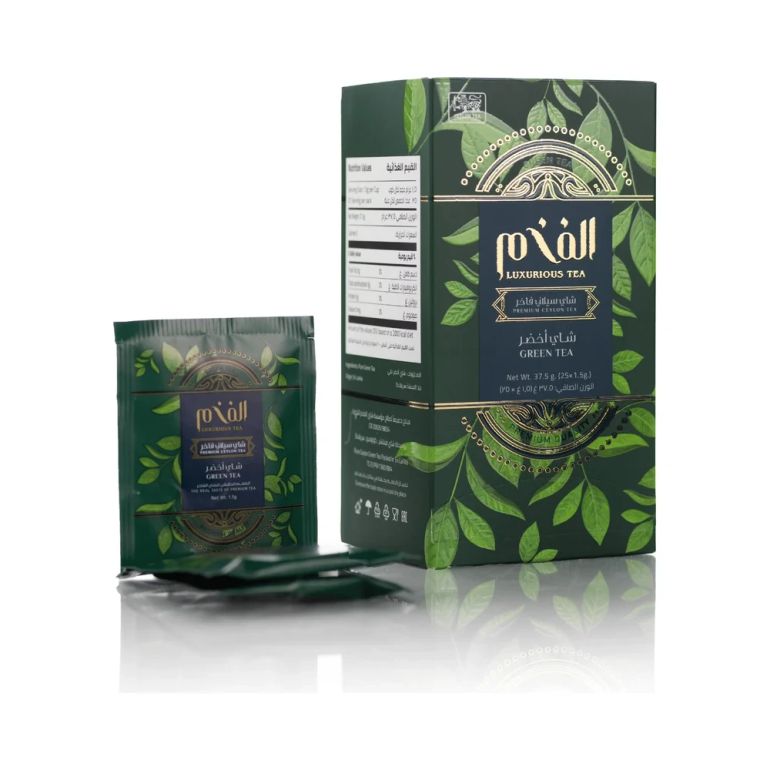
- Tea bags: a consistent amount in every cup, easy at work or when traveling. For example, a 30-bag box of Battal green tea, about 2 g per bag, covers one cup a day for a month.
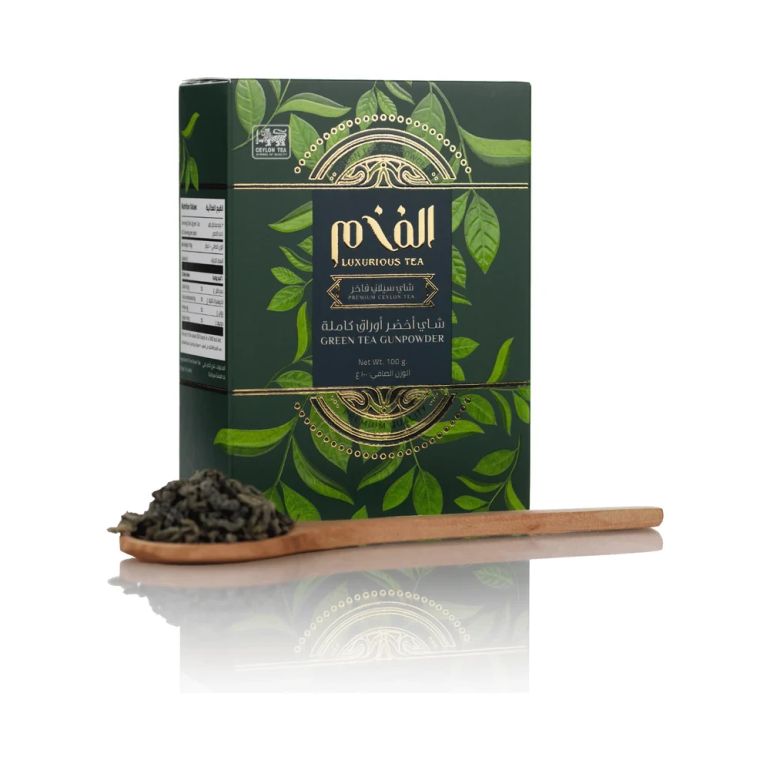
- Loose leaf: clearer flavor and control over strength, but needs a strainer.
- Matcha: the whole leaf ground into powder, with a stronger taste and creamy texture, great in lattes and smoothies. For a ready-to-drink option, read our article on ready matcha drinks.
Whatever you choose, store tea in a closed container away from heat, humidity and strong smells, because the leaves lose flavor over time and absorb odors easily. Individually wrapped sachets protect flavor even better.
Green tea as part of a balanced diet
Unsweetened green tea fits most eating patterns, including keto and lower-calorie plans, and has almost no calories. Its value comes from being part of a bigger picture: varied food with vegetables, legumes and healthy fats such as extra virgin olive oil, enough sleep and daily movement. One to three cups a day is a nice habit, but it will not make up for the rest.
Frequently asked questions
Does green tea burn fat?
Its effect on weight is very small in studies and should not be relied on for weight loss. Its practical value is as a zero-calorie replacement for sweetened drinks.
Can I drink green tea on an empty stomach?
Most people can, but if you feel heartburn or nausea, drink it about an hour after eating. Never take green tea extract capsules on an empty stomach.
Is green tea suitable during intermittent fasting?
Yes. Green tea without sugar or milk has almost no calories, so many people drink it during fasting windows.
When should I have my last cup of the day?
If your sleep is sensitive to caffeine, have your last cup about six hours before bedtime, or switch to a caffeine-free herbal tea in the evening.
References
- NCCIH. Green Tea.
- EFSA NDA Panel (2015). Scientific Opinion on the safety of caffeine. EFSA Journal 13(5):4102.
- EFSA ANS Panel (2018). Scientific opinion on the safety of green tea catechins. EFSA Journal 16(4):5239.
- U.S. FDA. Spilling the Beans: How Much Caffeine is Too Much?
- NIH Office of Dietary Supplements. Iron – Fact Sheet for Health Professionals.
This article is for general education and does not replace advice from a doctor or pharmacist, especially if you have a health condition or take medication.