
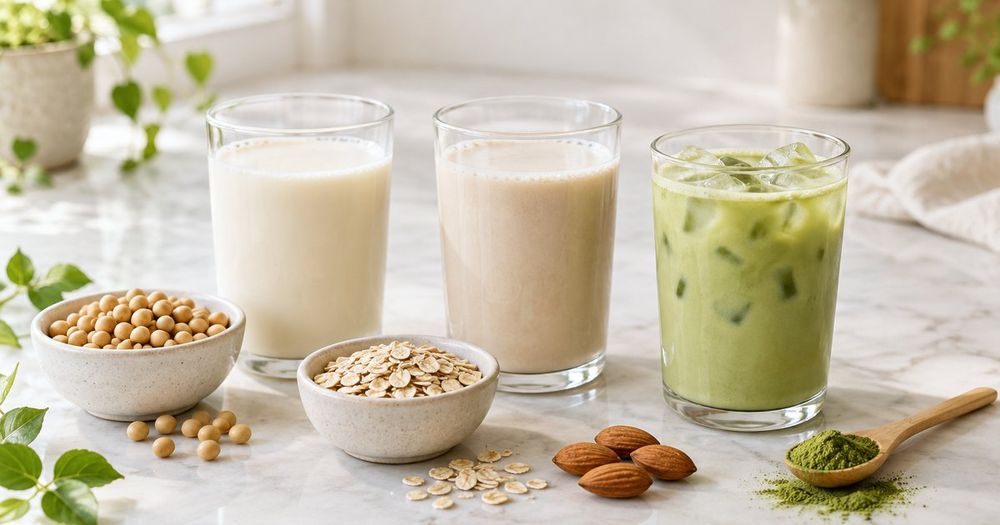
In short: Plant milks are not all the same. Fortified soy drink is the closest to cow's milk in protein, while oat and almond drinks have little protein. More important than the plant is the label: look for "unsweetened" and "calcium-fortified". Ready-to-drink matcha such as Alpro Matcha Coconut & Soya is tasty and convenient, but it is sweetened and contains caffeine, so treat it as a treat drink rather than a daily milk replacement.
The "milk" shelf has changed a lot: soy, oat, almond, coconut, and ready blends flavored with matcha or coffee. Many people choose them because of a milk protein allergy or lactose intolerance, because they are vegan, or simply because they like the taste. But are they nutritionally similar? And is a ready matcha drink as "healthy" as its green color suggests? This article compares them with numbers and shows how to read the label in a minute.
Is plant milk a full replacement for cow's milk?
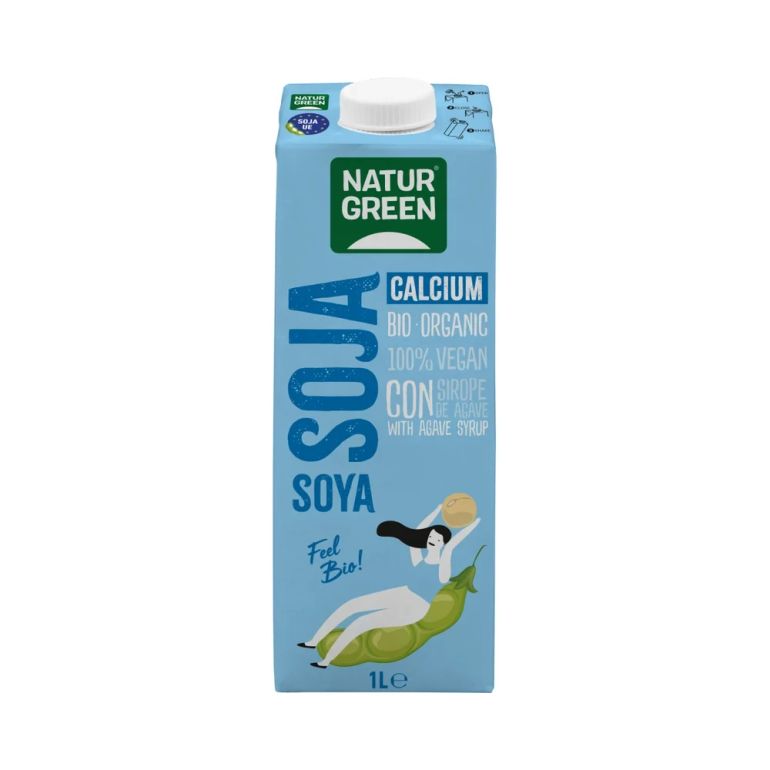
The short answer: not always. The US FDA explains that the Dietary Guidelines for Americans include only one plant alternative in the dairy group: soy beverage fortified with calcium, vitamin A and vitamin D, because its nutrient profile is similar to milk. Oat, almond, rice and coconut drinks may contain added calcium, but they are not counted as dairy because their overall nutrition is different.
In the UK, the Scientific Advisory Committee on Nutrition (SACN) and the Committee on Toxicity (COT) reviewed plant-based drinks and concluded that replacing cow's milk with them can lower some nutrient intakes if they are not fortified. That does not make them bad; it means choosing the right product matters.
Quick comparison: soy, oat or almond?
Figures are approximate for a 240 ml cup of unsweetened versions and vary by product:
Type | Protein per cup | Strength | Watch out for |
|---|---|---|---|
Cow's milk (for comparison) | About 8 g | Natural calcium and protein | Lactose and milk protein allergy |
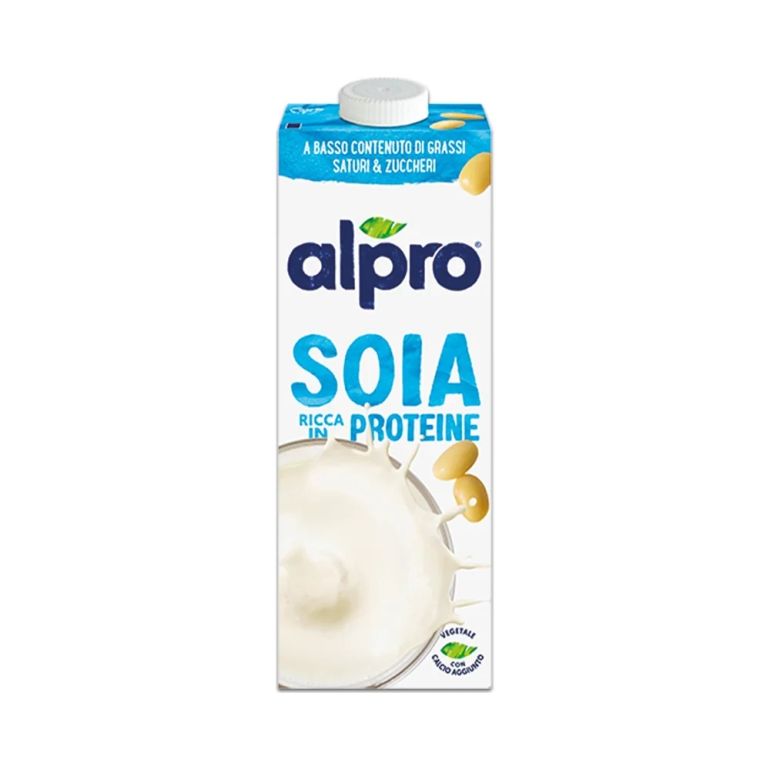
Soy | About 7 g | Closest to milk in protein; counts as dairy when fortified | Soy is a common allergen |
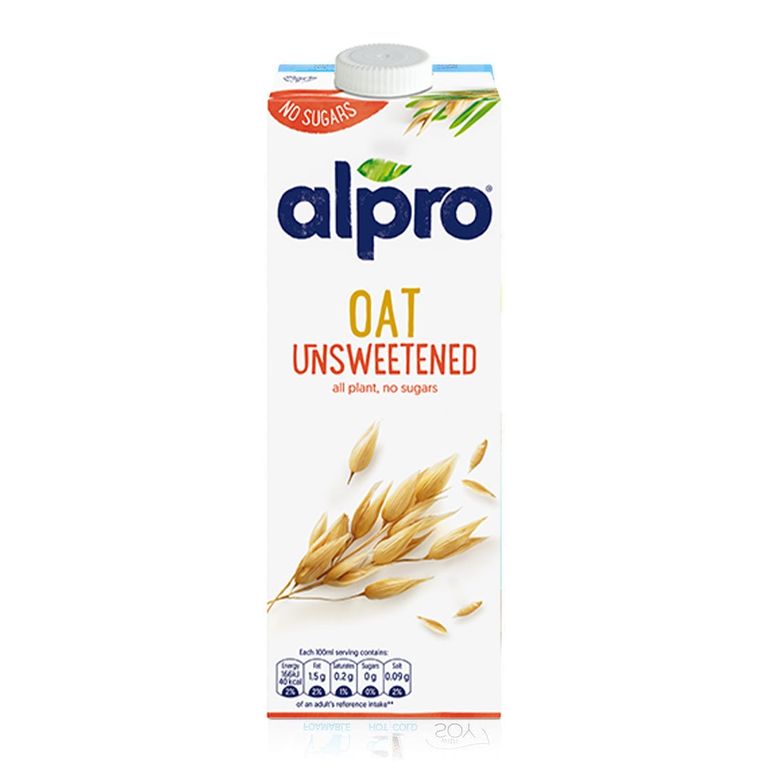
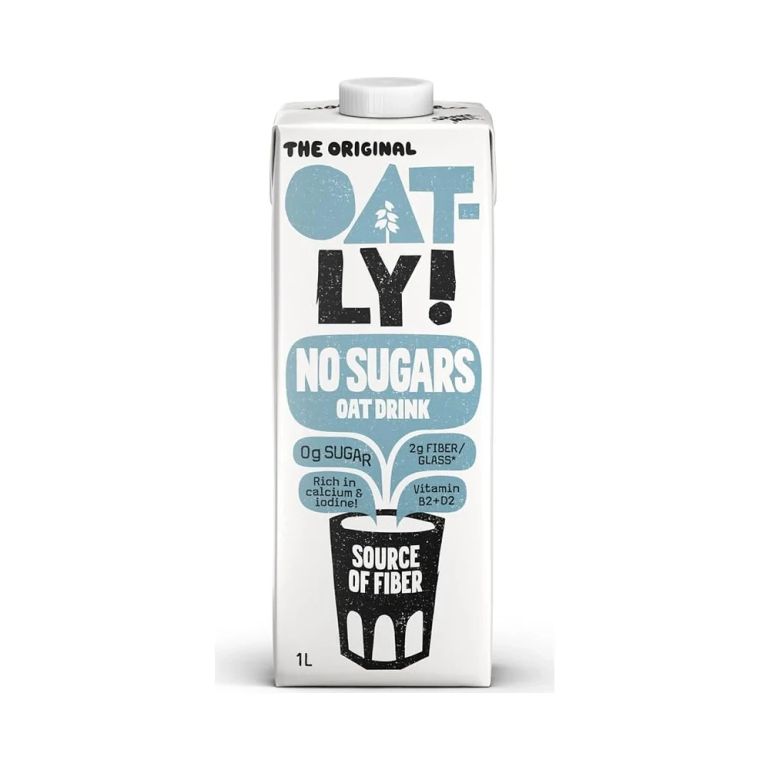
Oat | 2 to 3 g | Creamy, works well in coffee | Low protein; natural sugars from oat starch |
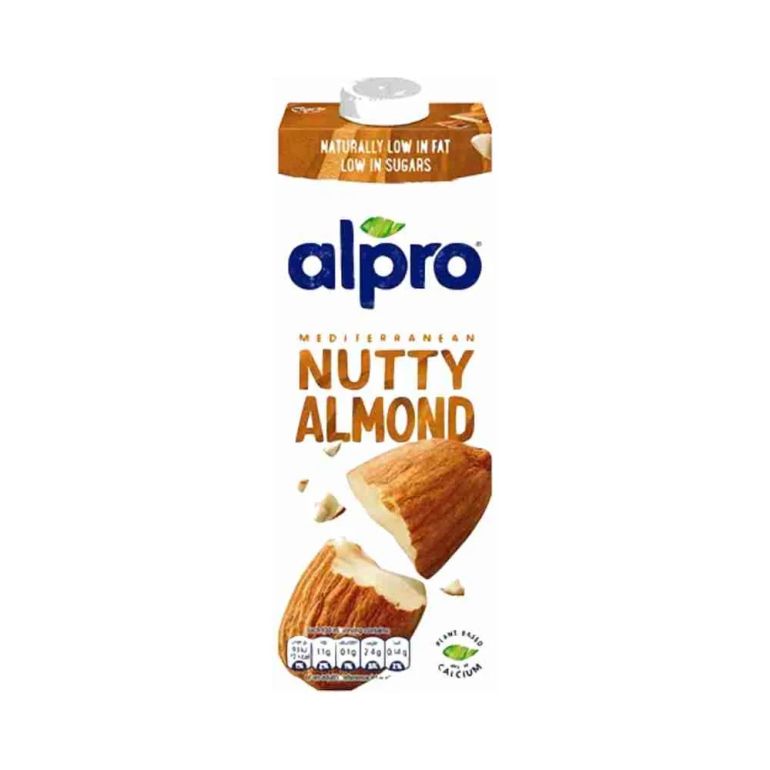
Almond | About 1 g | Low calories when unsweetened | Very low protein; not for nut allergies |
Coconut | Under 1 g | Mild flavor | Almost no protein; mostly saturated fat |
The practical lesson: if you drink two cups of milk a day and switch to almond drink, you may lose about 14 g of protein a day without noticing. That is fine if the rest of your diet is rich in protein, but it matters for children, older adults, athletes and vegans.
Tip: If you want an everyday milk replacement, start with unsweetened, fortified soy drink. Keep oat or almond drink for coffee or morning oats if you prefer their taste.
How to read a plant milk label in a minute
The label matters more than the name or the picture on the pack. Focus on these points:
- Sugar: look for "unsweetened" or "no sugars". Unsweetened versions usually have 0 to 3 g of sugar per 100 ml, and in oat drinks this often comes from the oats themselves. Flavored versions (vanilla, chocolate, matcha) can have double that or more.
- Calcium: choose a product with about 120 mg calcium per 100 ml, close to cow's milk. Note that some organic versions are not fortified at all, because organic rules in some countries restrict additions.
- Vitamin B12, vitamin D and iodine: especially important for vegans, and present in plant drinks only when added.
- Protein: compare per 100 ml. Soy and pea are usually above 3 g; oat and almond are typically between under 1 g and 1.5 g.
- Allergens: soy and nuts are usually in bold, and some products say "may contain traces of nuts".
What about Alpro ready-to-drink matcha?
Alpro Matcha Coconut & Soya is a good example of a "fun" plant drink. According to the ingredient list published by UK retailers, it is made of water, coconut milk, sugar, hulled soya beans and matcha powder at about 0.5%, with calcium, iodine and vitamins B2, B9 and D2. Those retailers list about 8 g of sugar per 100 ml.
What does that mean in practice? A 250 ml glass gives you close to 20 g of sugar. The World Health Organization recommends keeping free sugars below 10% of daily energy, ideally below 5%, which is about 25 g for an adult. One glass takes a large share of that. So it is a good swap for a soft drink or a sweet iced coffee from a café, but not a daily replacement for unsweetened milk.
It also contains caffeine from matcha. Because the matcha share is small, a glass likely has less than a cup made from matcha powder, but caffeine means it is not suitable for young children, and anyone counting caffeine should include it. For safe caffeine amounts, read our article on green tea and how many cups a day are safe.
Note: The ingredients of the same product can differ between markets and batches. Always read the label on the pack in your hand, especially sugar and allergens.
Ways to make it lighter
- Dilute it with unsweetened milk: half a glass of Alpro Matcha with half a glass of unsweetened soy or oat drink roughly halves the sugar and keeps the flavor.
- Make your own at home: whisk a teaspoon of matcha powder in a little warm water, add a cup of unsweetened soy drink and ice, and sweeten to taste. That way you control the sugar.
- Turn it into a balanced snack: have it with a handful of nuts or yogurt rather than with a dessert, so sugar does not pile up in one sitting.
Plant milks and children
This point needs clarity, because many parents ask about it:
- Under 12 months: breast milk or infant formula is the only main drink. No cow's milk and no plant drink as a main drink at this age.
- From 1 year: the NHS says unsweetened, calcium-fortified plant drinks such as soy, oat and almond can be given as part of a healthy, balanced diet. Soy and pea are better for children because of their protein.
- Rice drink: should not be given to children under 5 as a milk substitute, because rice takes up more arsenic than other grains.
- Sweetened and flavored drinks, tea and matcha drinks: not suitable for young children because of sugar and caffeine.
If your child has a milk allergy or follows a vegan diet, talk to a pediatrician or dietitian to choose the right alternative and monitor growth.
Storing plant drinks
Most carton plant drinks are UHT-treated, so before opening they can be kept in a cool, dry place away from sunlight. After opening, keep them in the fridge and usually use within about 5 days, or as stated on the pack. Shake before pouring, because calcium and matcha settle at the bottom, which is normal.
If you are building a balanced plant-forward kitchen, healthy fats matter too, and one of the best known is extra virgin olive oil.
Frequently asked questions
Which plant milk has the most protein?
Soy, then pea if available. Oat, almond and coconut drinks are low in protein.
Are plant milks lactose-free?
Yes, because they are not made from animal milk. But they are not necessarily free of other allergens such as soy and nuts.
Is Alpro Matcha suitable every day?
It can be part of your day in moderation, but it is sweetened and contains caffeine. As a daily milk replacement, unsweetened versions are better.
Does oat milk raise blood sugar?
It contains natural sugars from oat starch, so it may raise blood sugar more than unsweetened soy or almond drink. People with diabetes should compare carbohydrates on the label and ask their doctor.
References
- U.S. FDA. Milk and Plant-Based Milk Alternatives: Know the Nutrient Difference.
- U.S. FDA (2023). Using the Nutrition Facts Label to Choose Milk and Plant-Based Beverages.
- SACN & COT. Plant-based drinks: health benefits and risks.
- NHS. Drinks and cups for babies and young children.
- WHO (2015). Guideline: Sugars intake for adults and children.
- Tesco. Alpro Ready to Drink Matcha Coconut 1L — ingredients and nutrition.
This article is for general education and does not replace advice from a doctor or dietitian, especially for children and people with food allergies.