

Bloating and heaviness after meals are among the most common complaints, and many ads link them directly to a "digestive enzyme deficiency" and sell supplements for it. In reality, most people produce enough enzymes, and a true deficiency is a medical condition with clear causes and signs that needs a diagnosis. This guide explains the difference, when to see a doctor, and the everyday steps that help.
In short: your body makes digestive enzymes in the pancreas, stomach and intestines. A true deficiency (exocrine pancreatic insufficiency) usually comes with conditions such as chronic pancreatitis or cystic fibrosis, and its signs include pale, oily stools and weight loss. Everyday bloating is usually about what and how you eat. There is no strong evidence that enzyme supplements help healthy people. If indigestion keeps coming back, or comes with severe pain or weight loss, see a doctor.
What are digestive enzymes?
Digestive enzymes are proteins your body makes to break food into pieces small enough for the intestines to absorb. The three main types are:
- Amylase: breaks down starches, starting in your saliva.
- Protease: breaks down protein, including pepsin in the stomach and pancreatic enzymes.
- Lipase: breaks down fats, mainly made by the pancreas.
Enzyme | What it digests | Where it is made | What happens if it is low |
|---|---|---|---|
Amylase | Starches | Saliva and pancreas | Reduced with pancreatic insufficiency |
Protease | Protein | Stomach and pancreas | Reduced with pancreatic insufficiency |
Lipase | Fats | Pancreas | Oily stools and weight loss with pancreatic insufficiency |
Lactase | Milk sugar (lactose) | Small intestine lining | Bloating, gas and diarrhea after dairy |
There are also smaller enzymes in the intestinal lining, such as lactase, which digests milk sugar. Low lactase is the cause of lactose intolerance in some people.
When is there a real enzyme deficiency?
The medical name for a true deficiency is exocrine pancreatic insufficiency, meaning the pancreas does not release enough enzymes to digest food. It usually happens with conditions such as chronic pancreatitis, cystic fibrosis and pancreatic cancer, or after pancreatic or stomach surgery. According to Cancer Council, its main signs include:
- Abdominal pain, bloating and a lot of wind.
- Diarrhea, or pale, oily, frothy stools that are hard to flush.
- Weight loss without a clear reason.
This condition is treated with prescription enzymes at doses set by a doctor, taken with food. These are different from the supplements sold to the public.
Everyday bloating: the common causes
Most bloating and indigestion have nothing to do with enzyme deficiency. According to the NHS, indigestion is usually mild and passes, and its common causes include:
- Eating quickly or large portions, or fatty and spicy food.
- Too much coffee, tea or fizzy drinks.
- Smoking and stress.
- Some medicines, such as anti-inflammatory painkillers (ibuprofen and aspirin).
- Stomach acid reflux.
Sign | Common everyday bloating | Signs worth seeing a doctor for |
|---|---|---|
Timing | After a big or fatty meal, then passes | Keeps coming back or does not improve |
Stools | Normal | Oily and pale, black, or with blood |
Weight | Stable | Dropping without a reason |
Other symptoms | Mild gas | Severe pain, trouble swallowing, repeated vomiting |
Lactose intolerance: one missing enzyme
The best-known example of a real and common enzyme shortfall is lactose intolerance. According to the US National Institute of Diabetes and Digestive and Kidney Diseases (NIDDK), the small intestine makes too little lactase, the enzyme that digests milk sugar, so lactose reaches the colon undigested, where bacteria ferment it into fluid and gas.
- Symptoms: bloating, gas, diarrhea, nausea, pain and stomach rumbling, and sometimes vomiting.
- Timing: usually within a few hours of having milk or dairy.
- Severity: worse the more lactose you have.
- Causes: most often genetic (lactase falling with age), and it can also follow gut damage from conditions such as Crohn's or celiac disease.
If you notice symptoms linked to dairy, try smaller amounts and watch, or switch to lactose-free or plant-based milk, and confirm the diagnosis with a doctor rather than assuming.
Do enzyme supplements help healthy people?
Prescription enzymes are the established treatment for people with pancreatic insufficiency. For general over-the-counter enzyme supplements, we did not find strong evidence from trusted health bodies supporting their use for healthy people with ordinary bloating. So do not start them on the assumption that you are "low on enzymes" without a diagnosis. The well-known exception is lactase supplements for people with lactose intolerance, because they replace one specific enzyme.
Note: do not use enzyme supplements or any digestive remedy for a long time without knowing the cause. Ongoing symptoms need a diagnosis, especially if you are over 55 or have lost weight without trying.
Everyday steps that ease bloating
- Eat slowly: chew well and split food into smaller meals.
- Cut back on triggers: reduce fatty and spicy food and fizzy drinks, and ease off coffee and tea if you notice they make symptoms worse.
- Do not lie down right after eating: the NHS advises people who get symptoms at night not to eat for three to four hours before bed, and to raise their head and shoulders slightly in bed.
- Review your medicines with a pharmacist: some painkillers make indigestion worse.
- Keep a food diary: it helps you spot foods that bother you, such as dairy if you are lactose intolerant.
Peppermint and herbs: what does the research say?
Peppermint is one of the herbs most linked with digestion. According to the US National Center for Complementary and Integrative Health (NCCIH), there is some evidence that diluted peppermint oil in enteric-coated capsules can ease irritable bowel syndrome symptoms, and a 2022 meta-analysis supported its benefit compared with placebo. But NCCIH notes that research on peppermint leaf itself (as in tea) is very limited and not enough to draw conclusions, and that peppermint oil can cause heartburn in some people.
So a cup of peppermint or fennel tea after a meal is a gentle, calorie-free warm drink that many people find comforting, but it is not a treatment. If you have reflux and heartburn, take care, as peppermint can make them worse.
What suits you from Green Spot?
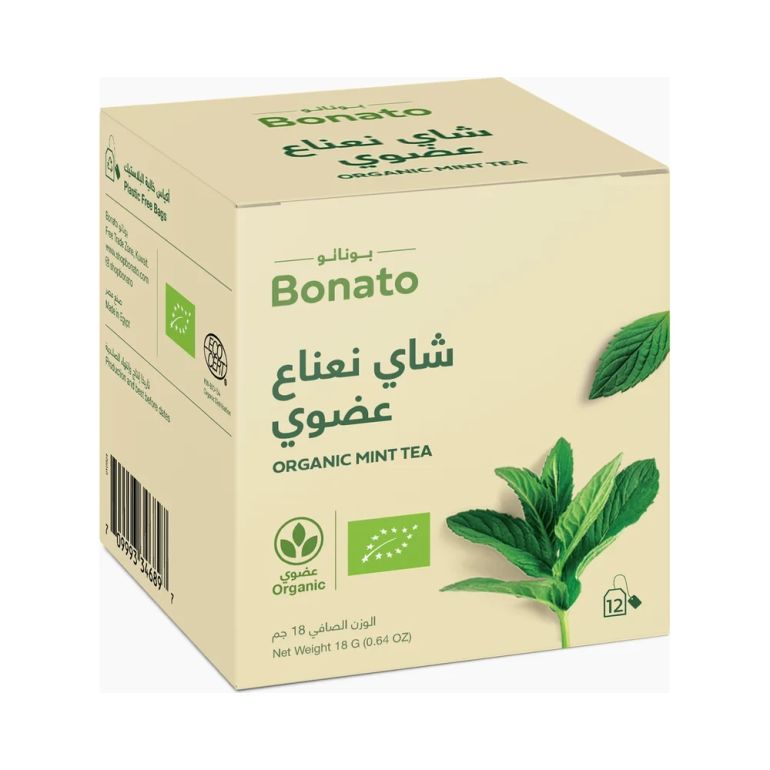
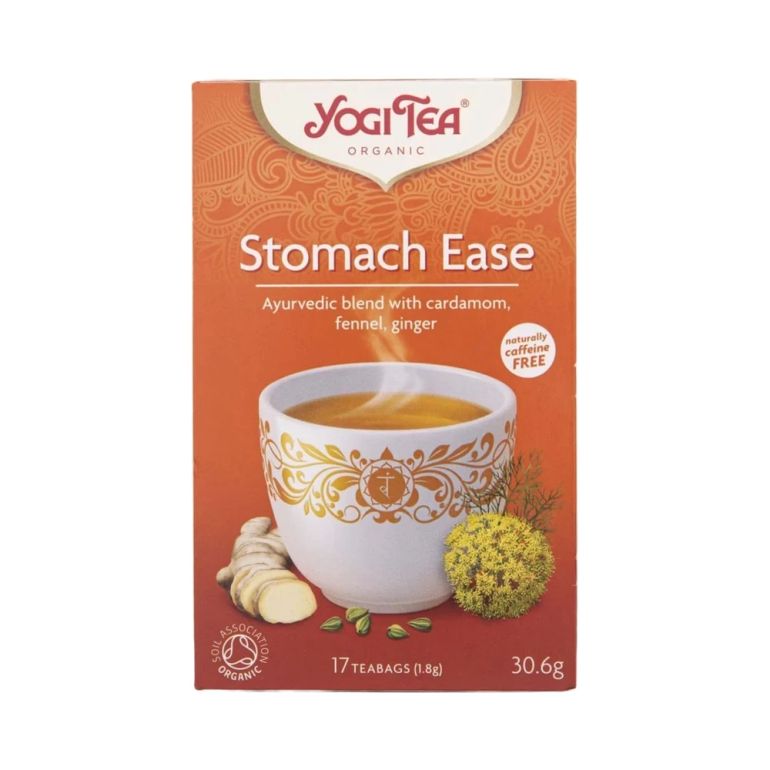
- If you like a warm drink after meals: Bonato organic peppermint tea, or Yogi Tea with fennel, peppermint and ginger. Drink them without sugar.
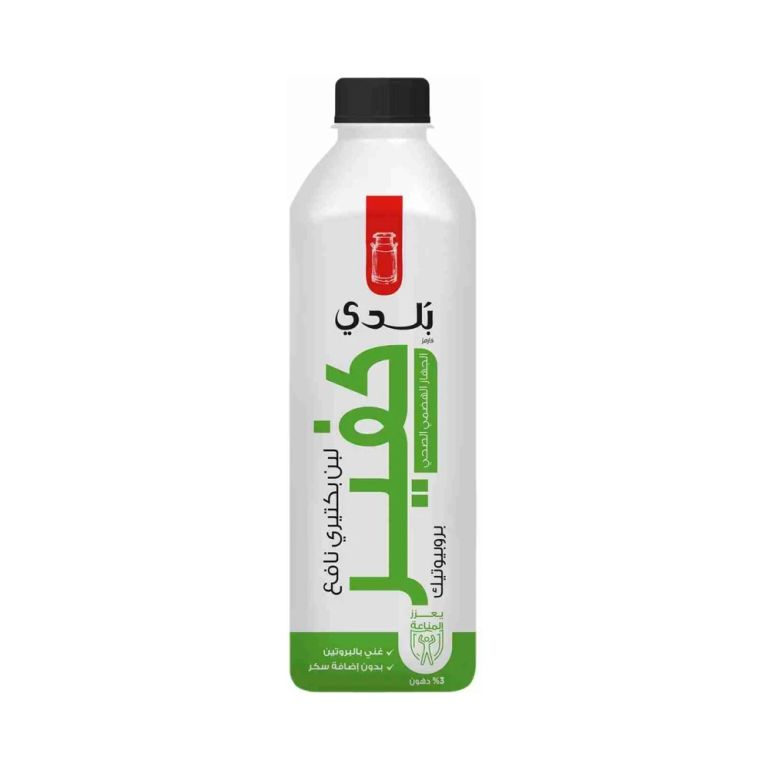
- If you want to add fermented foods: Balade Farms kefir works with breakfast or as a snack. If you are lactose intolerant, try a small amount first.
- Browse the tea category for more herbal options.
If you have a chronic condition, take medication or are pregnant, check with a doctor or pharmacist before using any herbs daily.
Frequently asked questions
How do I know if I have an enzyme deficiency?
You cannot tell on your own. A true deficiency usually comes with oily, pale stools and weight loss, and it needs tests by a doctor.
Do pineapple and papaya replace enzymes?
They contain enzymes that break down protein, but there is no strong evidence that eating them makes up for a real pancreatic deficiency. They are healthy fruits as part of a balanced diet.
When should I see a doctor?
If indigestion keeps coming back, if there is severe pain, unintended weight loss, trouble swallowing, repeated vomiting or black stools.
The bottom line
Everyday bloating is usually about how and what you eat, not an enzyme deficiency. Start with simple habits, enjoy a warm herbal drink from the tea category, and see a doctor if symptoms continue.
References
- National Center for Complementary and Integrative Health (NCCIH). Peppermint Oil. nccih.nih.gov
- Ingrosso MR, et al. Systematic review and meta-analysis: efficacy of peppermint oil in irritable bowel syndrome. Alimentary Pharmacology & Therapeutics, 2022.
- NIDDK. Symptoms & Causes of Lactose Intolerance. niddk.nih.gov
- NHS. Indigestion. nhs.uk
- HSE (Ireland). Indigestion: when to contact your GP. hse.ie
- Cancer Council NSW. Pancreatic exocrine insufficiency and enzyme replacement. cancercouncil.com.au