Hibiscus (karkadeh) is the tart red drink many of us know from the Ramadan table and juice shops. It is often said to "lower blood pressure", "cleanse the body" and "help with weight loss". This article explains what studies actually say about hibiscus and blood pressure, where that evidence falls short, how much people drank in the trials, who should be careful, and how to make it without turning it into a sugary drink.
In short: The strongest claim for hibiscus is its effect on blood pressure. A 2022 meta-analysis of randomized trials found systolic pressure fell by about 7 mmHg on average compared with control groups, but the studies were small and very inconsistent, and a Cochrane review found too little evidence to judge. Unsweetened hibiscus is a reasonable drink, but it does not treat high blood pressure or replace medication. Avoid it during pregnancy and breastfeeding, and ask your doctor if you take blood pressure medicines.
What is hibiscus?
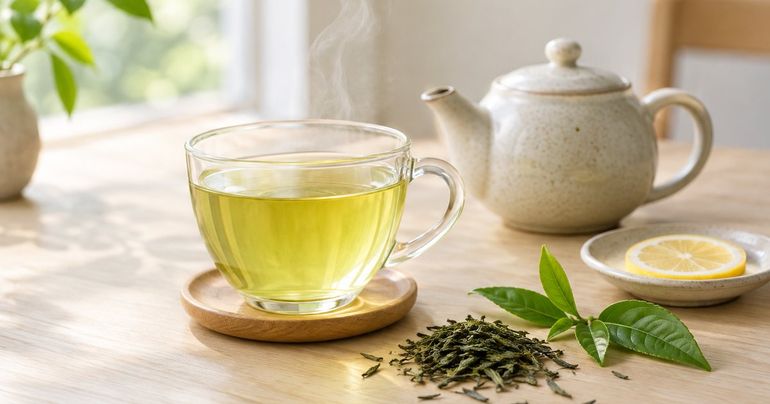
Hibiscus tea is made from the fleshy red calyces of the Hibiscus sabdariffa plant, also called roselle or sour tea. They are dried and steeped to make a deep red, tart drink similar to cranberry. It grows in many hot regions, and much of what we see in local markets comes from Egypt and Sudan.
Although people call it "hibiscus tea", it does not come from the tea plant used for green and black tea; it is a herbal infusion. That is why many people choose it as an evening alternative to tea and coffee. Some ready blends add other ingredients such as tea or dried kombucha, so check the label if caffeine matters to you. For a comparison with green tea and its caffeine, see our green tea and caffeine guide.
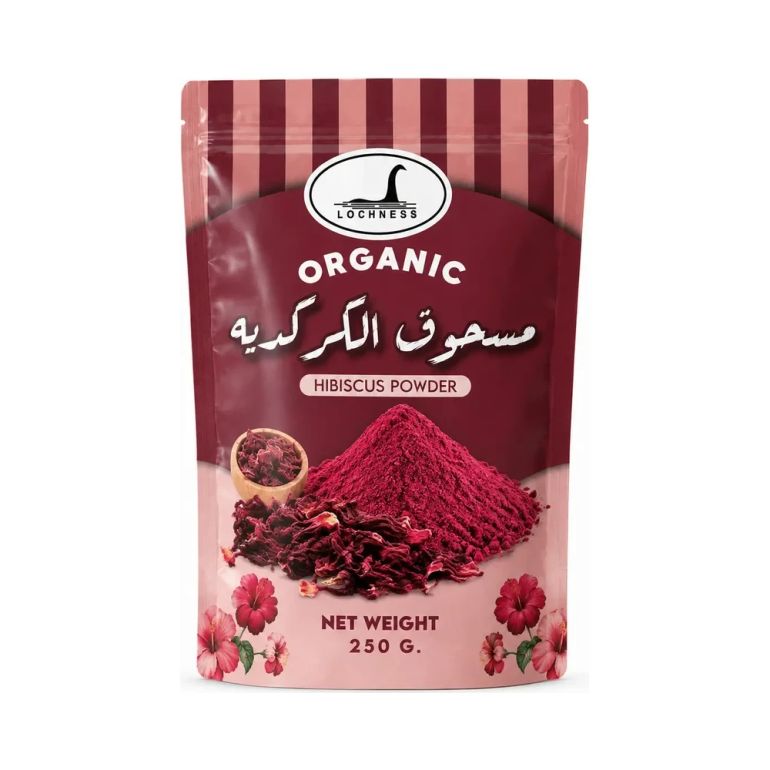
An unsweetened cup has very few calories. For example, the label on Lochness hibiscus powder lists 150 kcal per 100 g of powder, and a cup uses one to two teaspoons (roughly 3 to 6 g), just a few calories before sweetening. The real calorie difference comes from the sugar we add.
What does research say about hibiscus and blood pressure?
High blood pressure usually has no symptoms. The World Health Organization stresses that measuring it is the only way to know, and that treatment relies on lifestyle and, where a doctor advises, medication. That is why researchers have looked at simple everyday drinks that might help, including hibiscus.
The best-known trial: three cups a day for six weeks
In a randomized, double-blind trial published in 2010 in the Journal of Nutrition, 65 adults aged 30 to 70 with prehypertension or mild hypertension drank three 240 ml servings of hibiscus tea a day, or a placebo drink matched for colour and taste, for six weeks. Systolic pressure fell by an average of 7.2 mmHg in the hibiscus group versus 1.3 mmHg with placebo. The difference in diastolic pressure was not statistically significant. The effect was larger in people who started with higher readings.
That is encouraging, but keep its size in mind: only 65 people, six weeks, and part of the funding came from a tea company alongside the US Department of Agriculture. It is a signal that needs confirming, not final proof.
What do the reviews that pooled the trials say?
- 2022 meta-analysis (Nutrition Reviews): it included 17 randomized trials, 12 of which measured blood pressure in about 819 people. Compared with control groups, systolic pressure fell by about 7.1 mmHg; the drop in diastolic pressure was not significant. In four trials comparing hibiscus with common blood pressure drugs, there was no clear difference. But the authors noted that results varied widely and doses ranged from 15 mg to 9 g a day, so no ideal dose or duration could be set.
- 2021 Cochrane review: one of the strictest types of review. It found only one trial that met its criteria: 60 people with type 2 diabetes and hypertension who took hibiscus extract capsules for 8 weeks, with no clear difference from placebo. It concluded that the evidence is insufficient and the certainty very low.
Why the mixed results? The studies differ in form (drink or capsules), amount, participants and design quality. The practical takeaway is simple: hibiscus may lower blood pressure slightly in some people, but the evidence is not strong enough to treat it as a remedy.
What is claimed | What the evidence shows | Bottom line |
|---|---|---|
Lowers blood pressure | Small trials and a 2022 meta-analysis: about 7 mmHg systolic, with wide variation; Cochrane: insufficient evidence | Possible, modest benefit; not a substitute for medicine |
Replaces blood pressure medicine | Only 4 small trials compared it with drugs, with limited design | Do not change your medicine without your doctor |
Lowers blood sugar and cholesterol | Limited evidence; no clear conclusion | Not proven |
Slimming or "detox" | No reliable evidence | Do not rely on it |
Tip: If you want to see whether hibiscus makes a difference for you, measure your blood pressure at home with the same device at the same time for several days before you start and again after a few weeks, then discuss the numbers with your doctor. Cutting salt and moving daily have a bigger effect than any drink.
How many cups of hibiscus a day?
There is no official upper limit for hibiscus from a health authority. The clearest guide is what the trials used: three cups a day in the 2010 trial, and very different amounts in other studies. The Drugs.com natural products reference notes that preparations used in clinical trials were generally well tolerated. One to three cups a day of unsweetened hibiscus is a reasonable amount for most healthy adults, alongside water and other drinks.
Capsules and concentrated extracts are different from the drink, and their doses are not standardised. Only take them after talking to a doctor or pharmacist.
Who should be careful?
- Pregnant and breastfeeding women: the Drugs.com reference advises avoiding it because safety and efficacy data are lacking.
- People on blood pressure medicines: hibiscus may add to their effect and lower pressure more than intended. Tell your doctor before making it a daily habit, and watch for dizziness.
- People with low blood pressure: if you feel dizzy when standing up, do not overdo it.
- Other medicines: possible interactions have been reported with chloroquine and with drugs such as diclofenac, simvastatin and erlotinib. If you take long-term medication, ask your pharmacist.
Note: Hibiscus is not a replacement for blood pressure medicine. If your blood pressure is high, keep taking your treatment as prescribed, and see your doctor if you feel dizzy or faint after drinking it with your medicine.
The sugar trap: iced hibiscus at home and in shops
Hibiscus itself is almost calorie-free, but its sourness leads many people to add a lot of sugar, especially to iced hibiscus. The World Health Organization recommends keeping free sugars below 10% of daily energy, and ideally below 5%, and that includes sugar added to drinks and juices. A heavily sweetened jug of hibiscus turns a light drink into something as sugary as a regular soda. If you are considering sweeteners instead of sugar, read our guide to zero-sugar drinks and sweeteners.
Ways to use less sugar:
- Add mint, or slices of lemon or orange, to balance the sourness.
- Steep it with a cinnamon stick or ginger slices for a warm flavour that needs less sugar.
- Cut the sugar a little each week; your taste adapts.
- Mix it with sparkling water instead of ready-made juice.
How to make hibiscus at home
Hot hibiscus
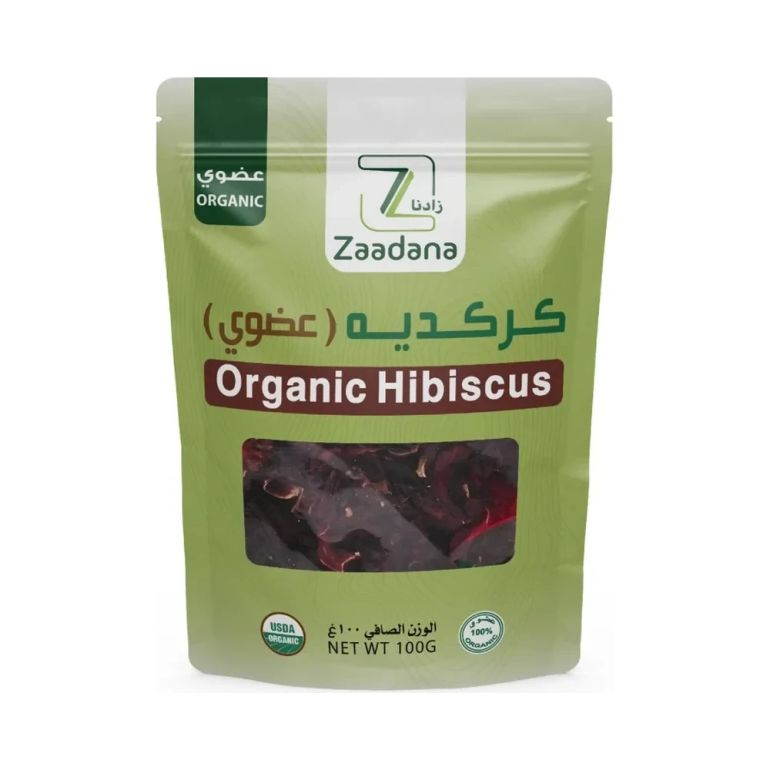
- Dried calyces: the recipe on the Zadna pack suggests two tablespoons per 4 cups of water, steeped in boiling water for 10 to 15 minutes, then strained.
- Powder: one to two teaspoons per cup (250 ml), per the Lochness label, with hot but not fiercely boiling water for 3 to 5 minutes, because very hot water increases sourness.
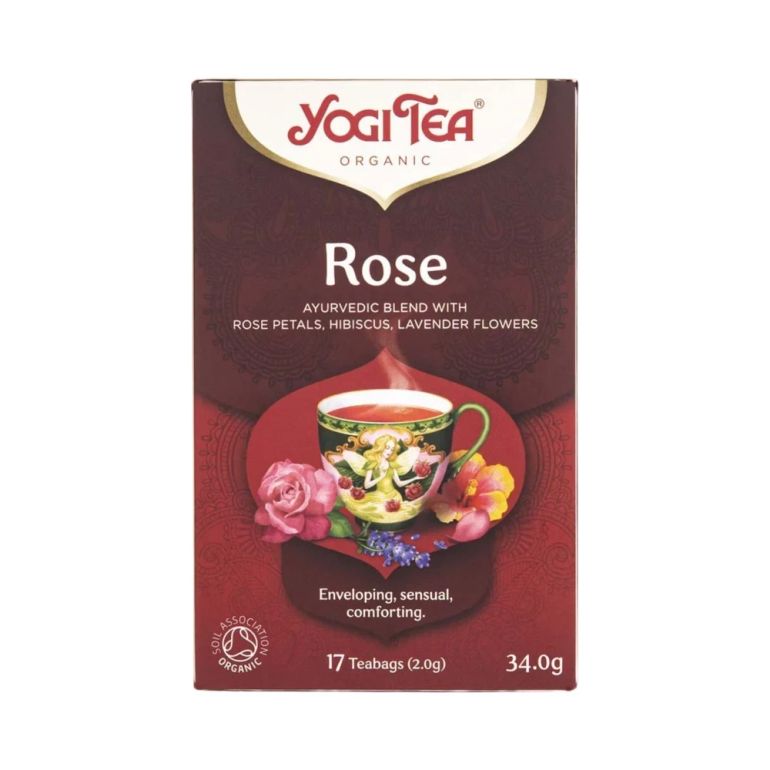
- Tea bags: follow the time on the pack; the Yogi Tea blend, for example, steeps for 5 to 7 minutes.
- Add mint or cinnamon if you like, and keep sweetening to a minimum.
Iced hibiscus
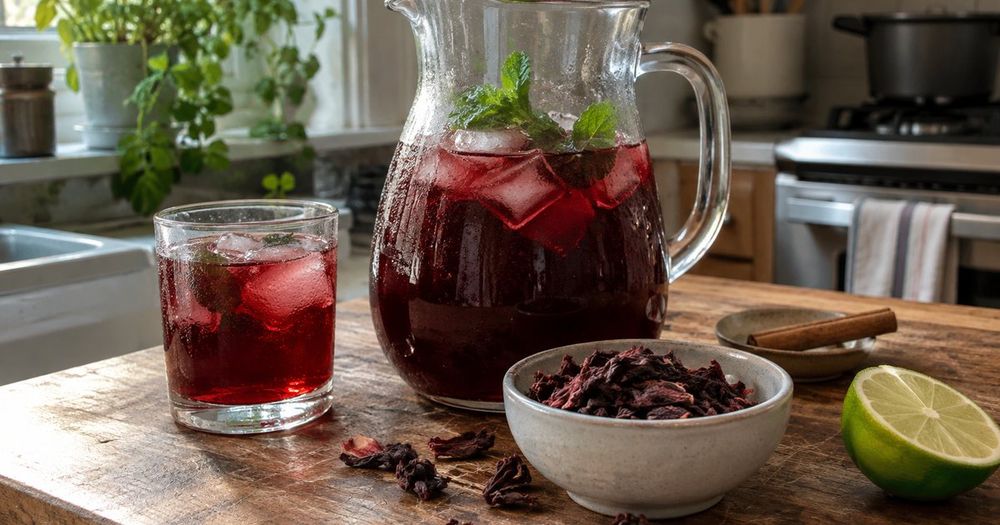
Steep the calyces in cold water in the fridge for several hours, then strain and serve over ice. With powder, stir it into cold water and leave it in the fridge for 10 minutes to an hour, per the Lochness label. The cold version tastes smoother, so it usually needs less sugar. Keep the prepared drink in a closed jug in the fridge.
Whole calyces, bags or powder? How to choose
Form | Advantages | Best for |
|---|---|---|
Whole dried calyces | Control over strength; good for iced jugs | Making a jug for the family |
Tea bags | Consistent amount; easy at work and when travelling | A quick cup |
Ground powder | Releases colour fast and measures by the spoon; does not fully dissolve | Smoothies, lemonade and desserts |
Herbal blends with hibiscus | Different flavours, but less hibiscus | Variety, after reading the ingredients |
When buying, check three things: that the only ingredient is hibiscus if you want it plain, that the calyces are deep in colour without damp or clumping, and the best-before date and storage instructions.
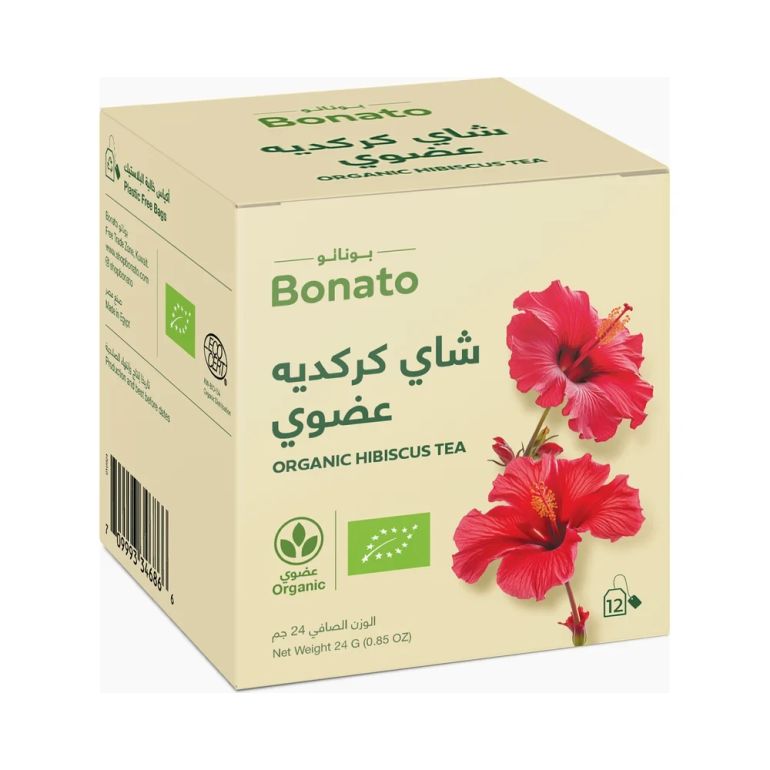
At Green Spot you will find Zadna organic dried hibiscus for hot or iced jugs, Bonato organic hibiscus tea bags for a quick cup, Lochness ground hibiscus for smoothies and lemonade, and the Yogi Tea rose and hibiscus blend if you like a floral twist. You can browse more options in our tea and herbal infusions section.
Storing hibiscus
Keep calyces or powder in an airtight container in a cool, dry place away from sunlight, humidity and strong smells, as the product labels advise. If the smell changes, or you see mould or damp clumps, throw it away.
Hibiscus is a lovely, refreshing drink, and its real value shows when it replaces a sweetened drink, not when we treat it as medicine. Pick the form that suits you from the Green Spot tea and herbal infusions section, and keep the sugar as low as you can.
Frequently asked questions
Does hibiscus tea really lower blood pressure?
Some small trials and a 2022 meta-analysis found an average drop of about 7 mmHg in systolic pressure, but a Cochrane review judged the evidence insufficient. It may help a little, but it is not a treatment.
Should I stop my blood pressure medicine if I drink hibiscus?
No. Never stop or change a medicine without your doctor. If you take blood pressure medication, tell your doctor before making hibiscus a daily habit.
Does hibiscus contain caffeine?
Plain hibiscus is a herbal infusion and does not come from the tea plant. Some blends add tea or dried kombucha, so check the ingredients on the pack.
Is it suitable during pregnancy?
Natural product references advise avoiding it during pregnancy and breastfeeding because there is not enough safety data.
References
- McKay DL, Chen CY, Saltzman E, Blumberg JB (2010). Hibiscus sabdariffa L. tea (tisane) lowers blood pressure in prehypertensive and mildly hypertensive adults. J Nutr 140(2):298–303. Link
- Ellis LR, et al. (2022). A systematic review and meta-analysis of the effects of Hibiscus sabdariffa on blood pressure and cardiometabolic markers. Nutrition Reviews 80(6):1723–1737. doi:10.1093/nutrit/nuab104 Link
- Pattanittum P, et al. (2021). Roselle for hypertension in adults. Cochrane Database of Systematic Reviews, CD007894. doi:10.1002/14651858.CD007894.pub3 Link
- Drugs.com. Hibiscus — Natural Products monograph (dosing, pregnancy, interactions), updated 2026. Link
- World Health Organization. Hypertension — fact sheet. Link
- World Health Organization (2015). Guideline: Sugars intake for adults and children. Link
This article is for general education and does not replace advice from your doctor.