
The 5-second summary
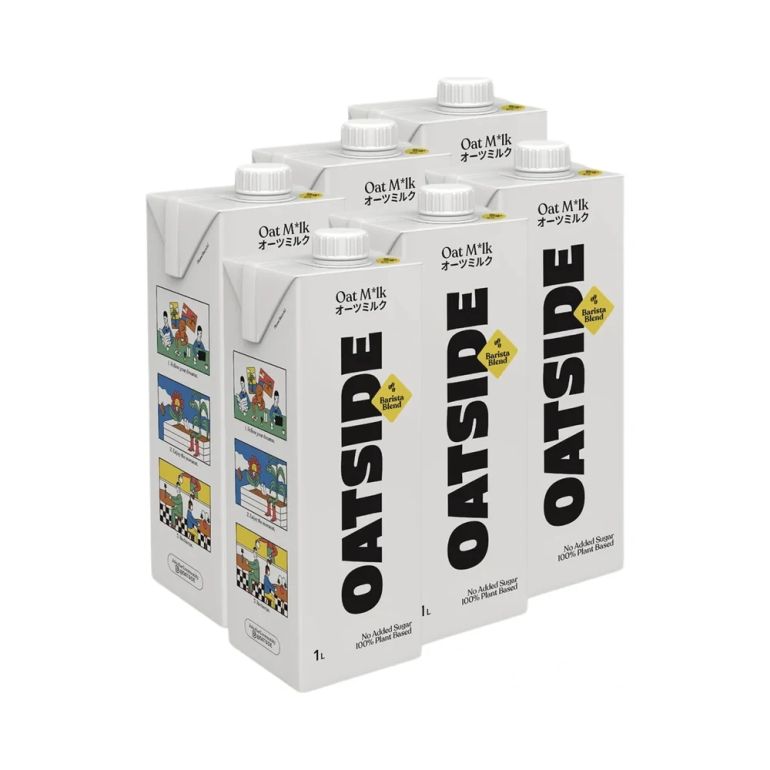
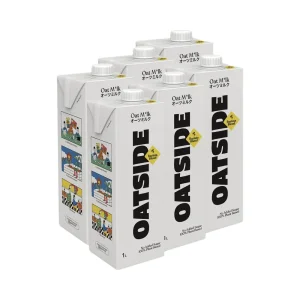
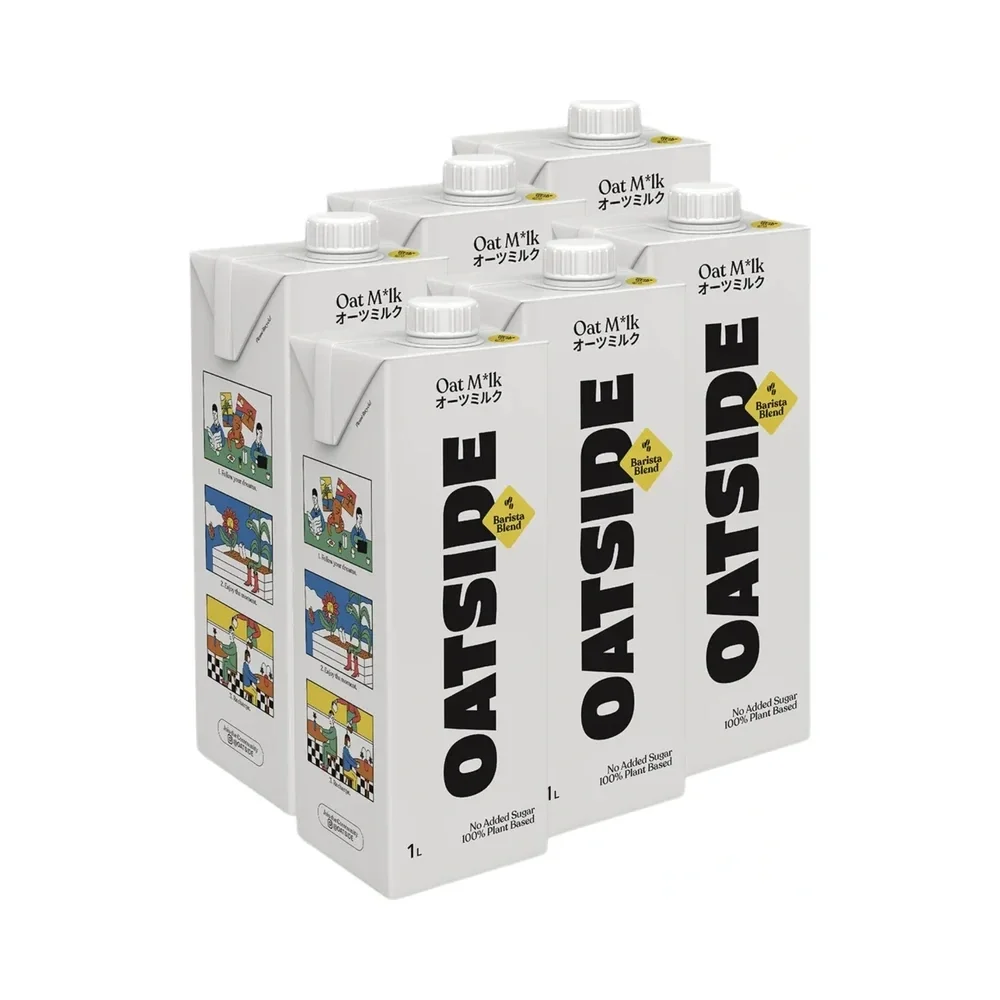
No added sugarDense microfoamVegan and lactose-freeAustralian oatsCase of 6 × 1 LCholesterol free
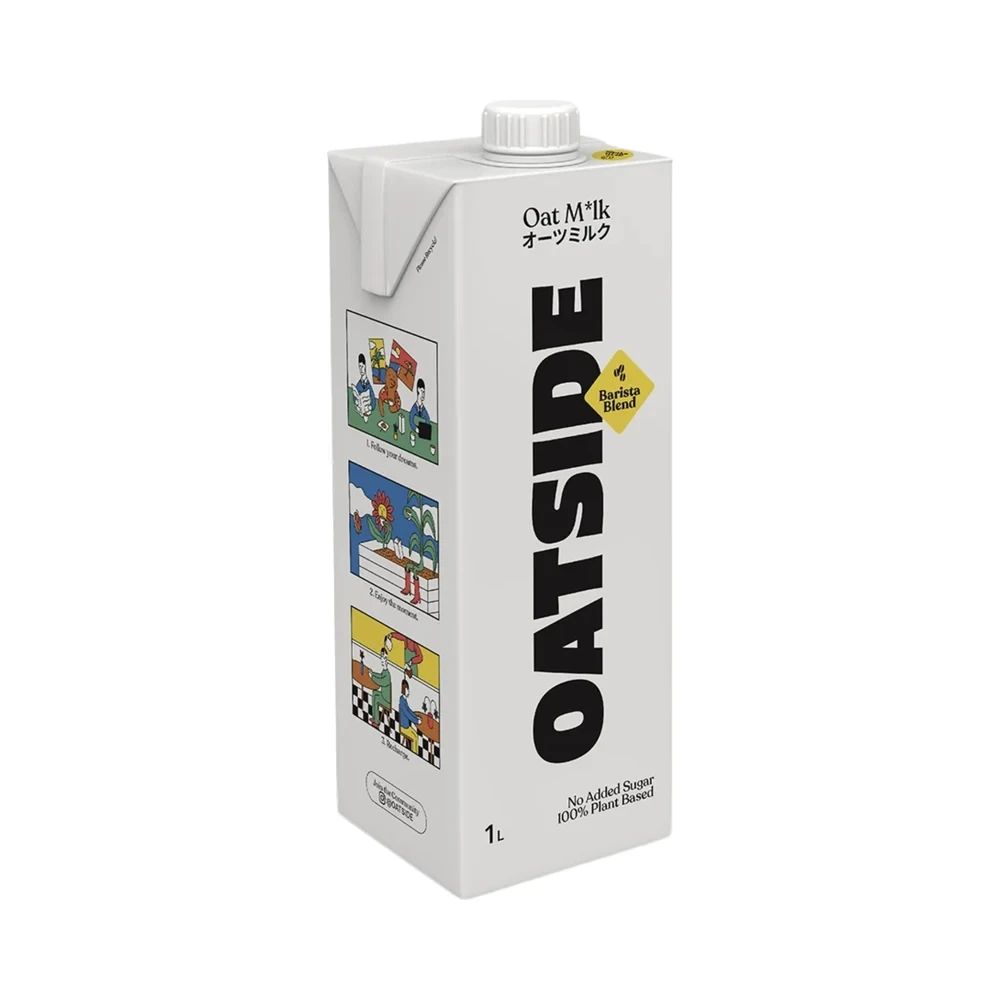
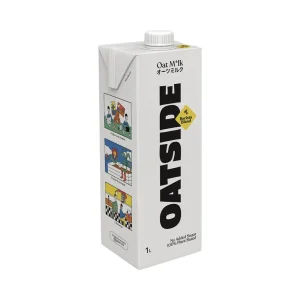
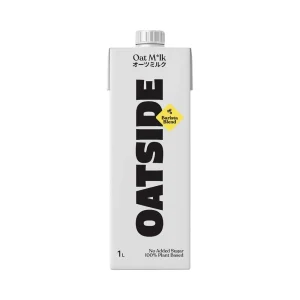
An oat milk built specifically for coffee: it holds up to hot espresso without splitting and steams into a dense, silky microfoam you can actually pour art with. No added sugar — the light sweetness comes from the oats themselves.
▍ Why the Barista blend?
Most regular oat drinks split or curdle when they meet the acidity of espresso, and their foam collapses within seconds. The Barista Blend is formulated against exactly that: slightly more fat (3.2 g per 100 ml) and an acidity regulator that keeps the emulsion stable, so the foam comes out dense and holds — much closer to how dairy behaves under a steam wand.
The base is 10% Australian oats and water, and the flavour carries a toasted-oat note that stands up alongside specialty coffee instead of disappearing under it.
▍ How to use it
For steaming and latte art
Shake well, then steam to roughly 60–65 °C. Overheating breaks the foam and brings out a bitter note — the single most common mistake people make with oat milk.
In iced coffee
Pour it straight into an iced latte or cold brew. The creaminess reads even more clearly cold, and it usually needs no sweetening.
In the kitchen
Works with granola, overnight oats, smoothies, and in baking as a one-for-one dairy replacement.
After opening
Keep it upright in the fridge below 4 °C and use within 5 days. Before opening, store cool and dry, out of direct sunlight.
▍ Nutrition
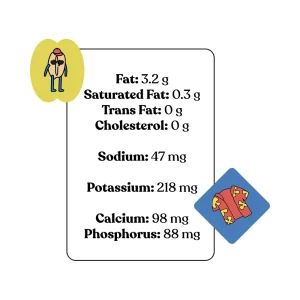
Per 100 ml
Energy 65 kcal ·
Protein 0.6 g ·
Fat 3.2 g ·
of which saturates 0.3 g ·
Trans fat 0 g ·
Cholesterol 0 mg ·
Carbohydrate 8.1 g ·
of which sugars 2.8 g ·
Dietary fibre 1 g ·
Sodium 40 mg ·
Potassium 218 mg ·
Calcium 120 mg ·
Phosphorus 88 mg
A 200 ml glass gives about 130 kcal, 1.2 g of protein and 240 mg of calcium. Figures are as printed on the pack.
“No added sugar” yet 2.8 g of sugars — how? Those sugars come from the oat starch breaking down naturally during production; nothing is added to the recipe. This is normal for practically every oat drink.
▍ Product information
| Item | Details |
|---|
| Brand | OATSIDE |
| Type | Oat drink — barista formulation |
| Size | Case of 6 × 1 L |
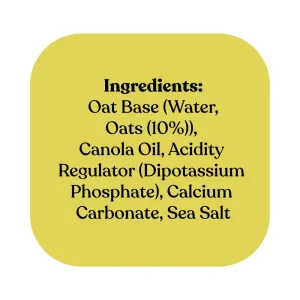
| Ingredients | Oat base (water, 10% oats), canola oil, acidity regulator (dipotassium phosphate), calcium carbonate, sea salt |
| Added sugar | None — sugars occur naturally from the oats |
| Allergens | May contain gluten · made on equipment that also handles tree nuts |
| Diet | Vegan · lactose free · cholesterol free |
| Made in | Indonesia — from Australian oats |
| Halal | Halal certified as stated on the pack |
| Storage | Cool and dry · after opening refrigerate below 4 °C and use within 5 days |
▍ Before you buy
- Not gluten free. Oats are naturally gluten free, but the maker states the product may contain gluten and it carries no gluten-free certification — so it is not suitable for coeliac disease.
- Made on equipment that also handles tree nuts — worth knowing if you have a nut allergy.
- The foam depends on correct steaming: past 65 °C it loses stability.
- Once opened it keeps only 5 days refrigerated — shorter than dairy milk.
- Protein is 0.6 g per 100 ml, far below cow's milk. If protein is your goal, this is not the source for it.
▍ The Green Spot view
This is our most-ordered product, and the reason is obvious the first time you use it: most milk alternatives let you down at the first latte, and this one doesn't. The foam holds, the flavour survives the coffee, and the toasted-oat note adds something rather than merely substituting.
Honestly, this is not a “health” product in nutritional terms — the protein is low and the calories sit above many milk alternatives. Its value is performance in a coffee cup, and at that it beats most of what we've tried. If you drink a latte daily, the case works out cheaper than buying single cartons.
Green Spot review: ingredients, nutrition values and the allergen statement were checked against the pack label and the manufacturer's data. Last reviewed: September 2026.
The manufacturer may update recipes or packaging, so the label on the pack remains the primary reference. This information is for general nutritional purposes and is not a substitute for professional advice.