
Protein Bars
Need a snack for workouts or a filling option for busy days? This page brings together protein bars, energy bars, and meal replacement options in one place.
.. :
Protein Bars in Saudi Arabia from Green Spot
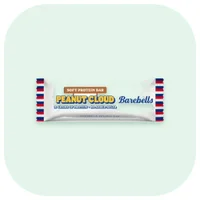
A protein bar is a convenient snack that helps you reach your daily protein at work, after training or when travelling. Here you will find protein bars, energy bars and meal replacement bars from many brands, flavors and sizes.
How to choose the right protein bar
- Protein: Most bars have 15–25 g. The International Society of Sports Nutrition (ISSN) suggests 20–40 g of protein per meal for most people who exercise, and a bar can cover part of that.
- Sugar: Check "added sugars" on the nutrition panel. The World Health Organization recommends keeping free sugars below 10% of daily energy, and ideally below 5%.
- Sweeteners: Many "no added sugar" bars use sugar alcohols such as maltitol or erythritol. A systematic review notes that large amounts can cause bloating or stomach upset in some people, especially those with IBS.
- Fiber: More fiber keeps you full for longer.
- Your goal:
- After training: a high-protein bar.
- Before training or on an active day: an energy bar with carbohydrates.
- Instead of a meal on a busy day: a larger bar with protein and fiber.
Save with boxes
Once you find a flavor you like, a box of 12 usually costs less per bar than buying singles.
Goes well with
Browse whey protein for training, or the full healthy snacks and sweets range.
References
- Jäger R et al. International Society of Sports Nutrition position stand: protein and exercise. Journal of the International Society of Sports Nutrition, 2017;14:20. doi:10.1186/s12970-017-0177-8
- World Health Organization. Guideline: Sugars intake for adults and children. Geneva: WHO, 2015.
- Lenhart A, Chey WD. A Systematic Review of the Effects of Polyols on Gastrointestinal Health and Irritable Bowel Syndrome. Advances in Nutrition, 2017. PubMed 28710145