
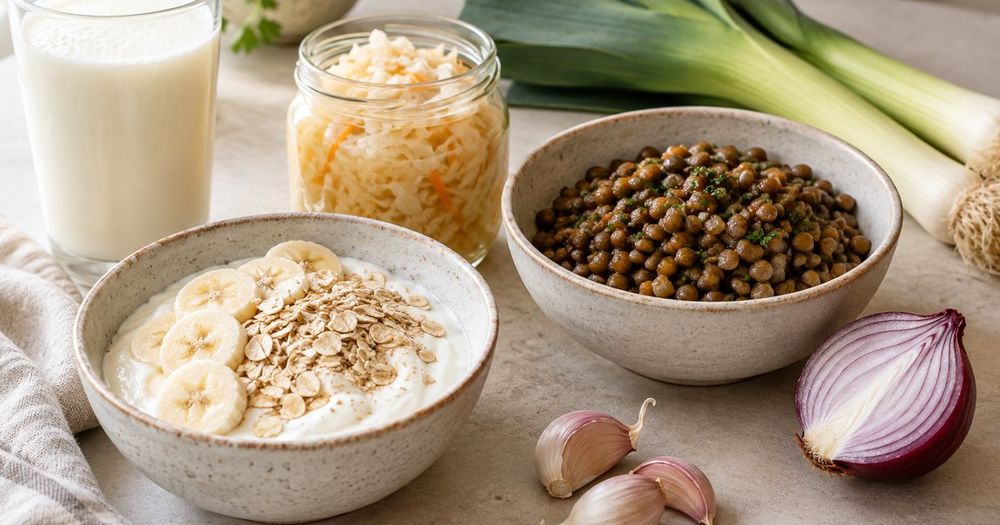
In short: Probiotics are live microorganisms that may benefit health when taken in adequate amounts, and prebiotics are fibers and compounds we don't digest but that feed the beneficial bacteria in the gut. Probiotic benefits vary by strain and condition, and their clearest evidence is for reducing antibiotic-associated diarrhea. Evidence for "boosting immunity" is limited. The simplest start: a varied, fiber-rich diet with legumes, whole grains and vegetables, plus fermented foods with live cultures such as yogurt and kefir.
You see the words probiotic and prebiotic often on yogurt pots, supplements and drinks, usually with promises of "stronger immunity" and "better digestion". The words look alike but mean different things, and knowing the difference helps you choose well and know what to actually expect. This article explains the scientific definitions, what the evidence says, and where to find each one in your everyday food.
What's the difference between probiotics and prebiotics?
Experts from the International Scientific Association for Probiotics and Prebiotics (ISAPP) agreed on these definitions:
- Probiotics: live microorganisms that, when taken in adequate amounts, confer a health benefit. The best known are types of Lactobacillus and Bifidobacterium, and some products use a yeast called Saccharomyces boulardii.
- Prebiotics: substances selectively used by gut microorganisms that confer a health benefit. Most are specific dietary fibers such as inulin, fructo-oligosaccharides (FOS) and galacto-oligosaccharides (GOS).
- Synbiotics: products that combine both.
A simple analogy: probiotics are the "seeds", and prebiotics are the "fertiliser" that feeds the beneficial bacteria already living in your gut.
What does the evidence say about probiotics?
The US National Center for Complementary and Integrative Health (NCCIH) sums it up: research is promising for some uses but limited overall, and the benefit depends on the strain, dose and person. What works in a study of one strain doesn't mean every probiotic product will give the same result.
Use | What the evidence says |
|---|---|
Antibiotic-associated diarrhea | May reduce the risk, with moderate-quality evidence; benefit not shown in older adults |
C. difficile infection during antibiotics | May reduce the risk, but the best strains and doses are unclear |
IBS and infant colic | Possible benefits; evidence is inconsistent |
Eczema, urinary infections and acne | Weak or conflicting evidence |
What about immunity?
Much of the immune system is closely linked to the gut, which is why probiotics are marketed as immune support. But it's important to distinguish between "a relationship exists" and "a benefit is proven". Some studies suggest a possible small effect on colds for certain strains, but the evidence isn't strong enough to say probiotics "boost immunity" in healthy people. Good immunity is built by bigger factors: sleep, balanced nutrition, physical activity and vaccinations.
What about prebiotics?
Prebiotics work differently: they don't add new bacteria but feed the beneficial bacteria already there, which turn them into short-chain fatty acids that play a role in the health of the gut lining. The good news is that their sources are ordinary foods:
- Onion, garlic and leek.
- Bananas, especially slightly underripe.
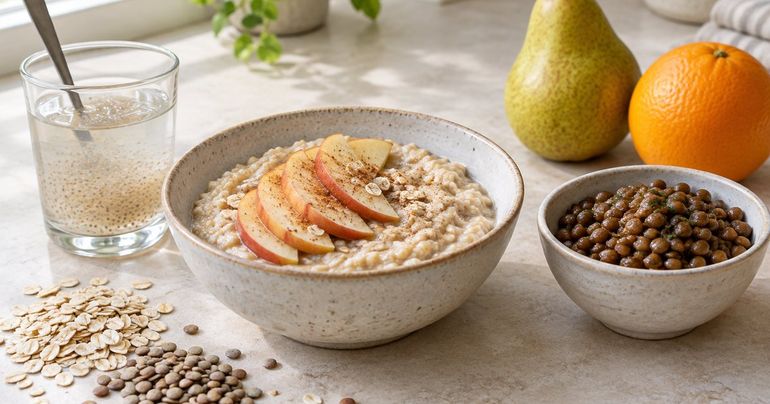
- Oats, barley and whole grains.
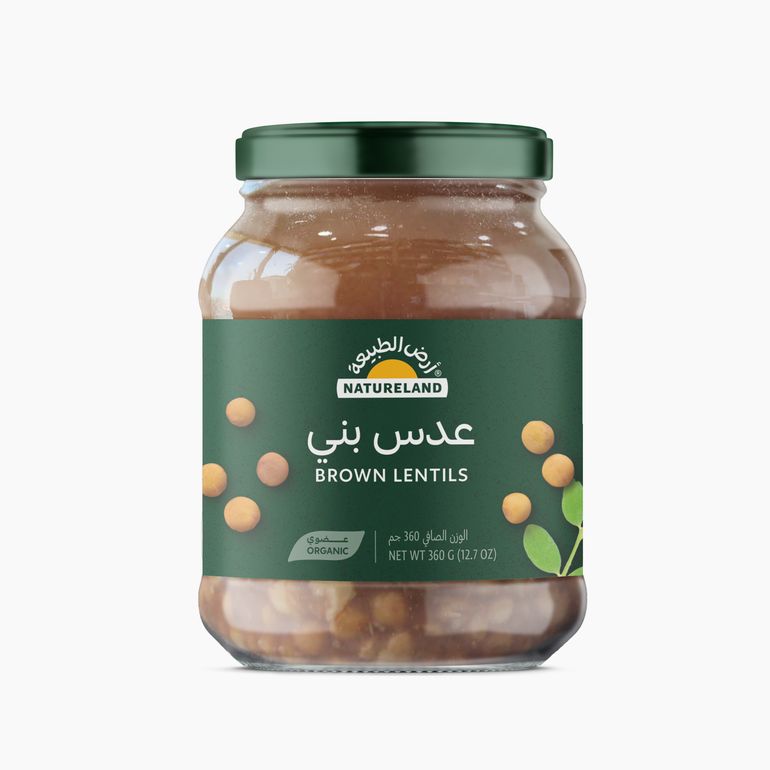
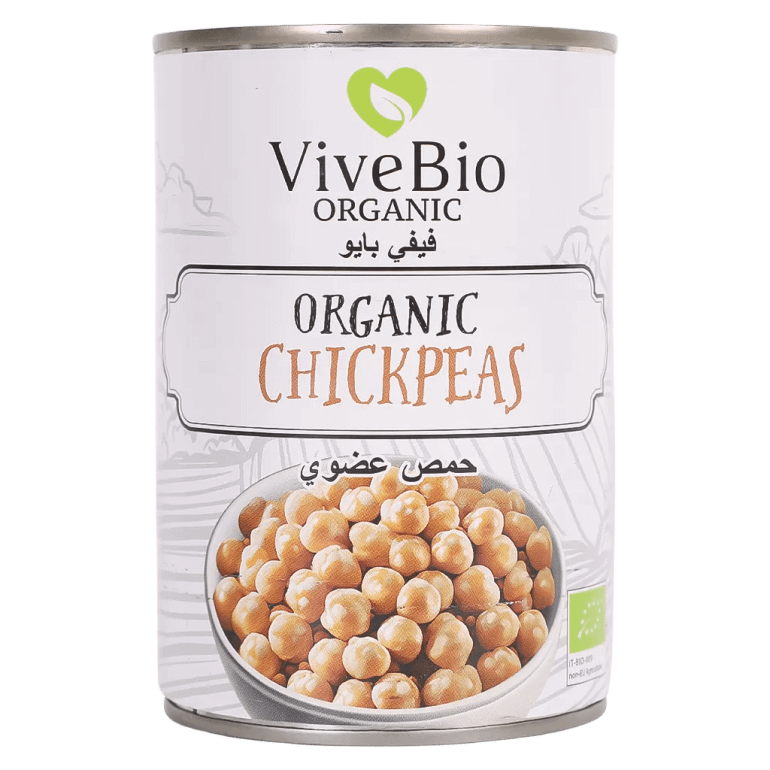
- Legumes such as lentils, chickpeas and beans.
- Asparagus and artichoke.
A diet rich in varied fiber gives you prebiotics automatically, without needing a supplement in most cases. Inulin and FOS are also added to some processed foods such as protein bars and cereals; that's not a problem in itself, but it may explain the bloating some people feel after these products.
Tip: Increase fiber gradually over two or three weeks and drink enough water. A sudden increase, especially of inulin, can cause gas and bloating, a common reason people give up.
Fermented foods: do they all contain probiotics?
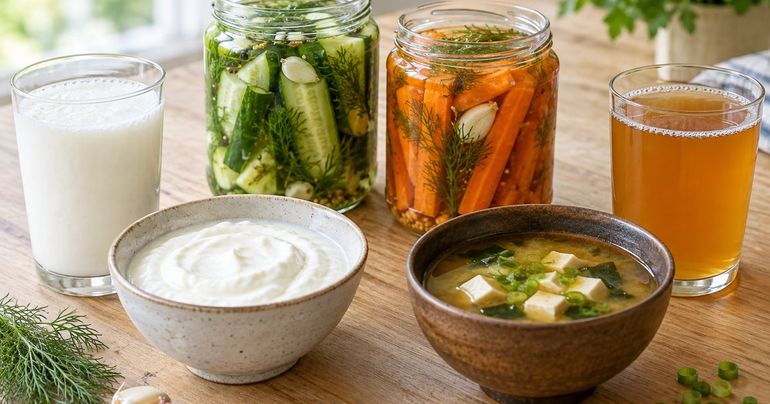
Not every fermented food contains live bacteria when you eat it. Sourdough bread is baked so the bacteria die, many commercial pickles are preserved in vinegar rather than fermented, and some products are pasteurised after fermentation. Look on the label for phrases like "live and active cultures". Examples that often contain live cultures:
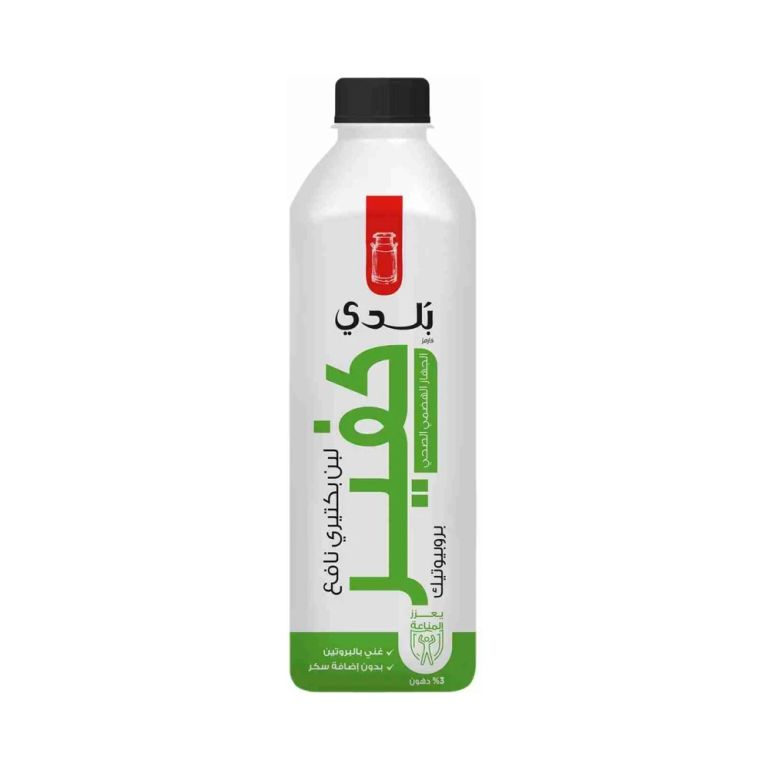
- Yogurt and kefir: if labelled as containing live cultures.
- Sauerkraut and kimchi: unpasteurised and kept chilled.
- Kombucha: watch the sugar content in some brands.
- Miso: if not boiled for long.
Even fermented foods without large amounts of live bacteria can be a good part of a balanced diet, but they aren't "probiotics" in the scientific sense unless the strain and amount are shown to give a benefit.
A simple day that includes both
You don't need a complicated plan or special products to get probiotics and prebiotics together. Here's an example of an ordinary day you can adjust to your taste and budget:
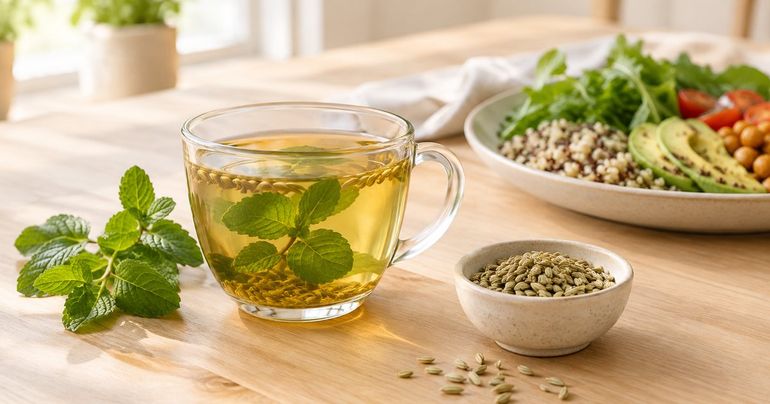
- Breakfast: cooked or overnight oats with sliced banana, and a glass of kefir or yogurt with live cultures.
- Lunch: a lentil or chickpea dish with rice or bulgur, a salad with onion, garlic and olive oil, and two spoons of sauerkraut or fermented pickles on the side.
- Snack: a handful of nuts with fruit, or yogurt with a spoon of oats.
- Dinner: roasted vegetables with a protein, and a vegetable soup with leek or onion.
This way you get different types of fiber feeding a variety of bacteria, plus a daily source of live cultures, without any supplement. Variety matters more than a large amount of one food; research suggests that eating a wider range of plants is linked to a more diverse gut microbiome.
Who needs to be careful with prebiotics?
Some people, especially those with irritable bowel syndrome, are sensitive to certain fermentable carbohydrates, including inulin and the fructans in onion, garlic and wheat. For them, prebiotics may increase gas, bloating and pain rather than help. If you notice this, cut back, try gentler sources like oats, and see a dietitian, because there are structured diets that help identify what suits you.
How to choose a probiotic supplement if you need one
- The specific strain: a good product names the genus, species and strain, such as Lactobacillus rhamnosus GG, not just "good bacteria".
- Count at end of shelf life: the number of colony-forming units (CFU) should be guaranteed until the expiry date, not just at manufacture.
- The goal: choose a strain studied for the condition you want, and ask a pharmacist.
- Storage: some products need refrigeration; follow the instructions.
Remember that in the US, probiotic supplements are sold as dietary supplements that don't need FDA approval before sale, and they can't claim to treat diseases.
Note: Probiotics are generally safe for healthy people, but the risk is higher for those with severely weakened immunity, serious illness or a central line. In 2023 the US FDA warned of serious, potentially fatal infections in premature infants given probiotics. Don't give a probiotic supplement to a premature baby or someone with weakened immunity except under medical guidance.
Frequently asked questions
Should I take probiotics with antibiotics?
Some strains may reduce antibiotic-associated diarrhea. Ask your doctor or pharmacist about the right strain and timing.
Is regular yogurt enough?
Yogurt with live cultures is a good part of the diet, but the amount and strains of bacteria vary between products.
Do I need a prebiotic supplement?
Usually not, if your diet regularly includes legumes, whole grains and vegetables.
When should I see a doctor?
If you have ongoing digestive symptoms, blood in your stool or unexplained weight loss; these need a diagnosis, not supplements.
References
- NCCIH. Probiotics: Usefulness and Safety.
- Hill C, et al. The ISAPP consensus statement on the scope and appropriate use of the term probiotic. Nat Rev Gastroenterol Hepatol. 2014;11:506-514.
- Gibson GR, et al. The ISAPP consensus statement on the definition and scope of prebiotics. Nat Rev Gastroenterol Hepatol. 2017;14:491-502.
This article is for general education and doesn't replace medical advice.